English
 日本語
日本語 한국어
한국어
Home / Blog / Indusrty News / Aluminium Extrusion Profiles: A Procurement Guide to Shapes, Alloys, Series, and Finishes
Indusrty News
Content
For most industrial and construction applications, a standard-density 6063-T5 profile in the appropriate series covers over 80% of use cases. Reserve high-rigidity or lightweight variants for load-critical or cost-sensitive members only — specifying the premium option by default typically adds 15–30% to material cost without a matching performance benefit.
Extrusion is a forming process, not a material choice on its own — the alloy pushed through the die and the internal cross-section geometry are what set the mechanical ceiling. Jianbang extrudes primarily in 6063 and 6061 alloy families, and the shape decision happens before alloy or finish is even discussed.
Four slots, one per face, make square bar the default starting block for any frame. Available from 15mm up to 100x100mm, they give equal connection points in every direction — the reason most machine frames and enclosures are built almost entirely from square profile before anything else is added.
Rectangular bar carries a higher bending resistance along its long axis than a square profile of the same series. Specify it where a horizontal member spans a distance or carries a distributed load, instead of jumping to a heavier square section.
Reduced-slot bar, radius corners, and bent extrusion solve specific problems — a clean outward-facing surface, a safety-rated rounded edge, or a corner joint without brackets. Bent extrusion with an unbroken slot channel is the hardest of the three to source reliably, since a standard bend collapses the slot.
All three types share identical outer dimensions — a 40x40mm profile stays 40x40mm across all three. What changes is the material distributed inside the cross-section, which drives stiffness, weight, and unit cost.
Comparative positioning of standard, lightweight, and high-rigidity extrusion for the same nominal outer dimension.
Most buyers compare price per meter and stop there. The number that actually predicts field performance is bending resistance relative to weight — a profile that's cheaper per kilogram can still cost more once you account for the extra support brackets a weaker cross-section requires.
Indexed bending resistance (moment of inertia) for a 40x40mm profile, standard = 100% baseline. Bar height scaled for chart legibility, not to true proportion.
Industry research consistently shows building and construction as the single largest consumer of extruded aluminium, with automotive and electronics segments growing fastest on a percentage basis as manufacturers replace steel to cut vehicle and enclosure weight.
Approximate global application distribution for extruded aluminium shapes, based on published industry market research.
Series sets the slot width the T-nuts, brackets, and fasteners physically seat into. Ordering the right profile but the wrong series hardware is one of the most common — and most avoidable — procurement errors, especially since part numbers for adjacent series often look nearly identical.
One exception worth flagging for buyers: 8 series and 8-45 series share the same slot geometry, so T-nuts are interchangeable between them — brackets are not. Mixing series across a single build is possible but adds inventory complexity and raises the risk of an assembly-line mismatch.
Establish deflection, vibration, and load-critical members before touching a catalog. This single step is what prevents over-specifying high rigidity everywhere.
Square profile as the base grid, rectangular where directional stiffness is needed, specialty profile only where geometry or finish genuinely requires it.
Every T-nut, bracket, and fastener downstream depends on this decision. Changing series mid-project usually means re-ordering hardware.
Clear anodized for hidden structure, black anodized for visible assemblies, powder coat for safety guarding or outdoor exposure.
Have alterations completed before shipment rather than cutting full-length bar in-house — it changes both labor cost and freight class.
Buying raw stock at maximum length and cutting it down internally is the default habit at many procurement desks, but it creates costs that don't show up on the purchase order. Full-length extrusion generally has to ship by LTL freight, while cut-to-length pieces sized within standard parcel dimensions can move by ground courier — on a multi-line order, that freight-class difference alone often outweighs any perceived savings from in-house cutting.
Ordering profiles with holes, tapped ends, or slot alterations completed before shipment also removes the need for third-party machining and reduces the chance of building the wrong part number. For complex frame designs with many line items, Jianbang's digital design and BOM service can generate a full bill of materials directly from a structural model, including every compatible T-nut, bracket, and fastener needed to complete the frame — which removes the manual work of decoding alteration tables by hand.
For buyers assembling on-site, our frame accessory catalog is organized by series so hardware compatibility is confirmed before checkout rather than discovered on the shop floor.
Clear and black anodizing are electrochemical processes that convert the surface layer into aluminum oxide, producing a hard, abrasion-resistant coating. Both hold up well against routine wipe-down cleaning in industrial and cleanroom environments.
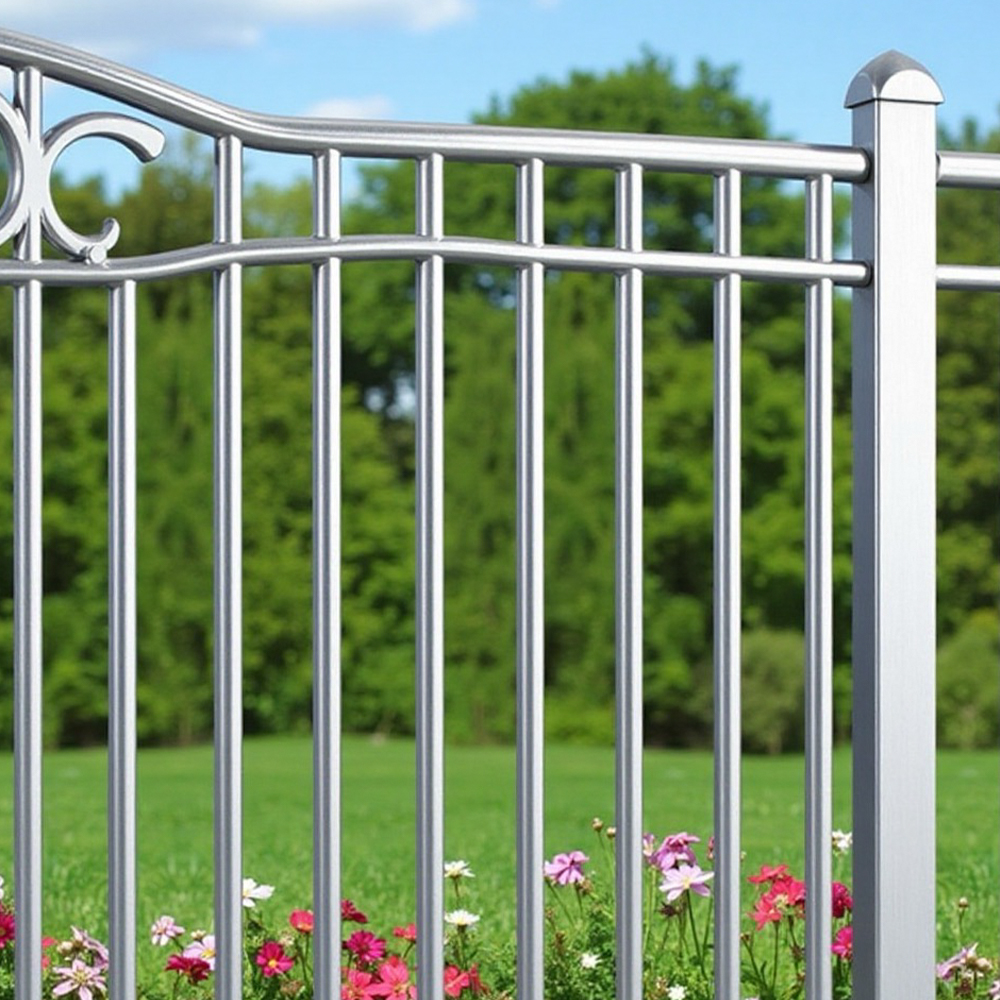
Powder coating applies a thicker, colored surface layer via electrostatic deposition, cured under heat. It's the standard choice for safety fencing and perimeter guarding, where high-visibility yellow is frequently required by facility or regulatory standards.
Wipe anodized and powder-coated surfaces with a mild detergent and avoid abrasive pads. Inspect exposed slot channels periodically for debris buildup, which can loosen T-nut clamping force over time.
Buyers sourcing for regulated industries should request mill certificates confirming alloy composition and mechanical properties, along with RoHS conformity documentation where the assembly is destined for the EU market.
It depends on the specific profile. An 8-series 40×40 profile requires M8 hardware, while a 5-series 40×40 profile (built on a double base-20) requires M5 hardware. Always confirm the series printed on the part number before ordering fasteners.
Yes, but it requires a specific forming technique that keeps the internal slot geometry intact through the bend. A standard bending process collapses the channel, which makes it unusable for T-nut hardware.
Anodizing chemically converts the aluminum surface into a hard oxide layer, while powder coating applies a separate colored coating that is cured under heat. Anodized finishes generally resist abrasion better; powder coat provides a thicker, more customizable color layer.
Use lightweight profile once the load case confirms the member isn't load-critical — benchtops, light enclosures, and non-structural panels are typical candidates. If deflection or vibration resistance is a governing requirement, stay with standard or high rigidity.
The series number corresponds to slot width and base profile dimension. A higher series number means a wider slot, a larger base size, and larger-diameter compatible hardware.
Cut-to-length is usually cheaper on total landed cost once labor, machining errors, and freight class are factored in. Raw full-length stock generally ships LTL freight, while cut-to-size pieces can often ship by standard parcel courier.
Mixing is technically possible but increases inventory complexity and the risk of using incompatible hardware on the wrong section. Most designs standardize on a single series throughout the build.
6063-T5 is the most common alloy and temper for structural profile due to its balance of strength, extrudability, and surface finish quality. 6061-T6 is selected where higher tensile strength is required for heavier structural applications.
The right shape, series, and finish combination depends on your specific load case and application environment. Jianbang's engineering team can review your drawings and recommend a profile spec built for your build — not the most expensive option on the shelf.
Request a Profile Consultation
Copyright © 2025 Jiangyin Jianbang Aluminium Co., Ltd.
All Rights Reserved.
 Aluminum Extrusion Manufacturers
Aluminium Profile Suppliers
Aluminum Extrusion Manufacturers
Aluminium Profile Suppliers