English
 日本語
日本語 한국어
한국어Indusrty News
Content
- 1 What Makes Architectural Aluminum Extrusion Profiles a Construction Essential
- 2 The Extrusion Process: Precision Engineering Behind Every Profile
- 3 Curtain Wall Aluminum Profiles: System Design and Structural Logic
- 4 Surface Finishing: Protecting Performance and Defining Aesthetics
- 5 Energy Efficiency and Sustainability Credentials
- 6 Key Selection Criteria When Specifying Aluminum Profiles
What Makes Architectural Aluminum Extrusion Profiles a Construction Essential
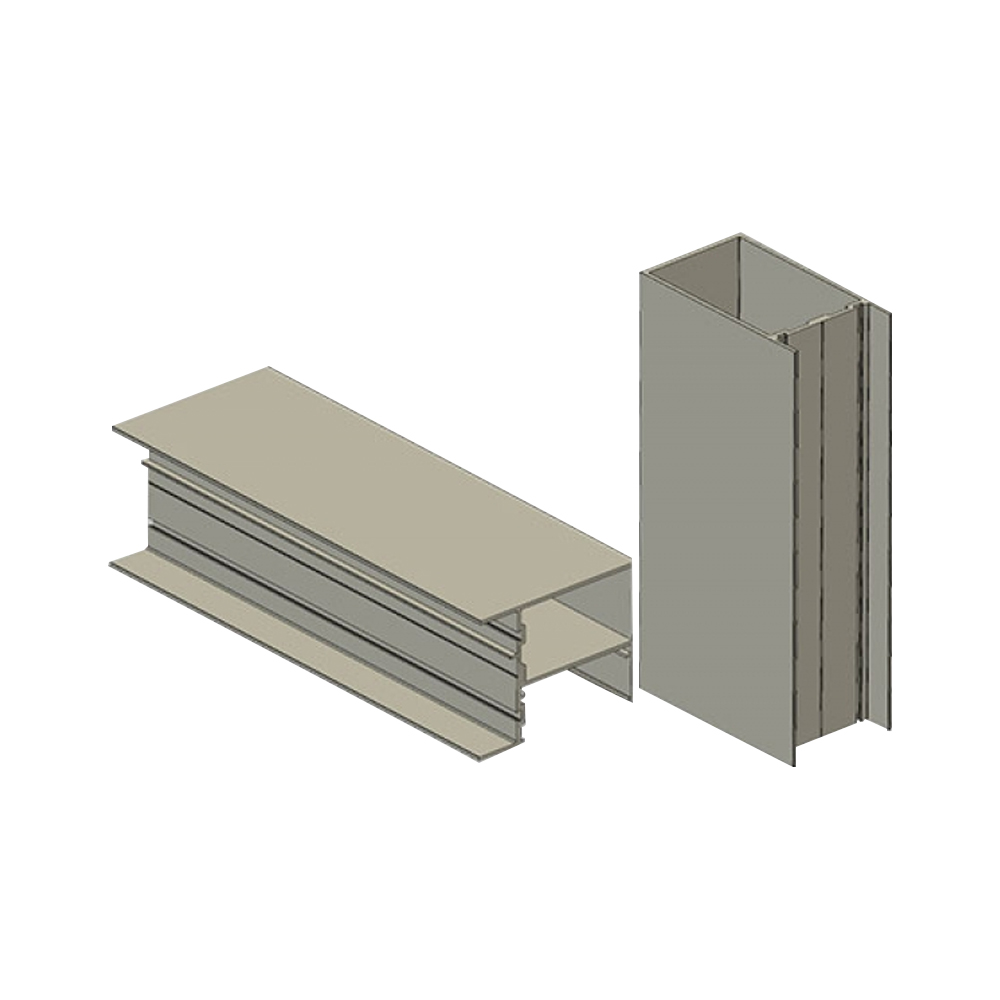
In the fast-evolving landscape of modern construction, architectural aluminum extrusion profiles have become a foundational material choice for engineers, architects, and contractors alike. Their appeal goes far beyond aesthetics. These profiles are precision-engineered components that deliver a rare combination of structural strength, corrosion resistance, thermal performance, and design adaptability—all within a lightweight form factor that simplifies logistics and installation.
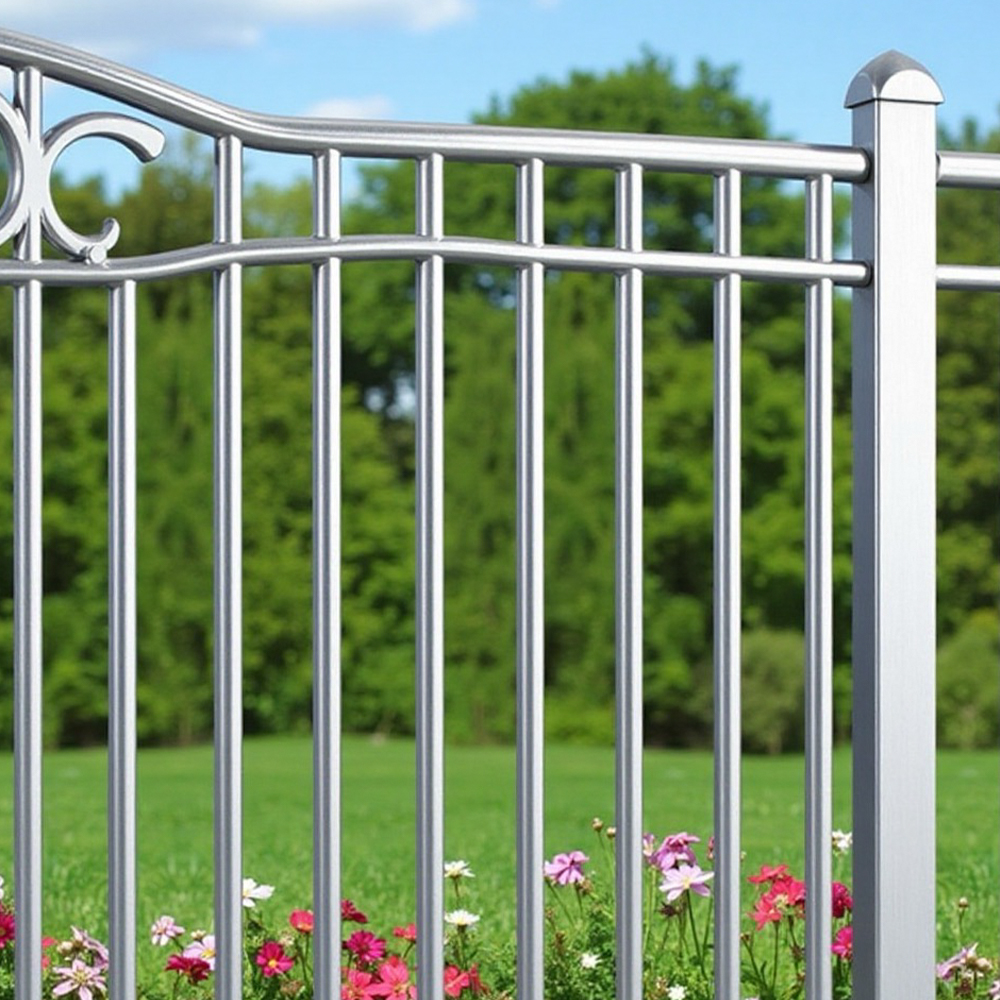
Unlike traditional materials such as steel or timber, aluminum does not rust, rot, or warp under humidity and temperature fluctuations. In coastal environments where salt-laden air accelerates degradation, or in industrial zones with high pollutant concentrations, aluminum profiles maintain their mechanical integrity over decades. This inherent durability directly reduces lifecycle costs, making aluminum an economically sound investment for both large-scale commercial developments and residential builds.
Aluminum's non-combustible nature is another critical advantage in the context of tightening global fire safety regulations. When integrated into facades and structural systems, these profiles do not contribute to flame spread, helping buildings comply with codes such as EN 13501 in Europe or NFPA standards in North America.
The Extrusion Process: Precision Engineering Behind Every Profile
Understanding how architectural aluminum extrusion profiles are manufactured helps clarify why they perform so reliably in demanding applications. The process begins with heating aluminum billets—typically alloys from the 6000 series such as 6061 or 6063—to approximately 450–500°C, at which point the softened metal is forced through a custom-designed steel die under immense hydraulic pressure. The result is a continuous profile that precisely mirrors the die's cross-sectional geometry.
This manufacturing method offers key advantages over casting or rolling:
- Complex hollow sections, thermal break cavities, and interlocking grooves can be produced in a single pass, eliminating secondary machining operations.
- Tight dimensional tolerances—often within ±0.1 mm—ensure consistent fit during assembly across large building facades.
- Custom die tooling enables rapid prototyping of new profile geometries, accelerating design iteration cycles.
- Alloy selection can be tuned to balance yield strength, weldability, and anodizing response based on end-use requirements.
After extrusion, profiles typically undergo age-hardening (T5 or T6 temper) to achieve target mechanical properties before surface treatment is applied. This combination of metallurgical precision and geometric freedom is what distinguishes extruded aluminum from competing materials in architectural applications.
Curtain Wall Aluminum Profiles: System Design and Structural Logic
Curtain wall aluminum profiles represent one of the most technically demanding applications within the broader aluminum extrusion product family. A curtain wall is a non-load-bearing external cladding system that carries only its own self-weight and transfers wind, seismic, and thermal loads to the primary building structure. The aluminum profiles forming the mullions and transoms of such systems must therefore be designed with exceptional stiffness and deflection control in mind.
Modern curtain wall aluminum profiles are typically classified into two main systems:
Stick System
In stick curtain walls, individual mullion and transom profiles are transported to the site and assembled piece by piece on the building face. This approach offers greater flexibility for irregular façade geometries and is commonly used in low-to-mid-rise projects where site access permits manual installation. The profiles typically incorporate internal pressure-equalization chambers and integrated drainage channels to manage water ingress effectively.
Unitized System
Unitized curtain walls consist of pre-assembled panel units—each containing aluminum framing, glazing, and infill panels—manufactured under controlled factory conditions. These units are then hoisted and interlocked on-site. Unitized systems offer faster installation schedules on high-rise towers, better quality control, and superior airtightness performance. The aluminum profiles in unitized systems must be engineered to precise interlocking tolerances to ensure watertight stack joints between panels.
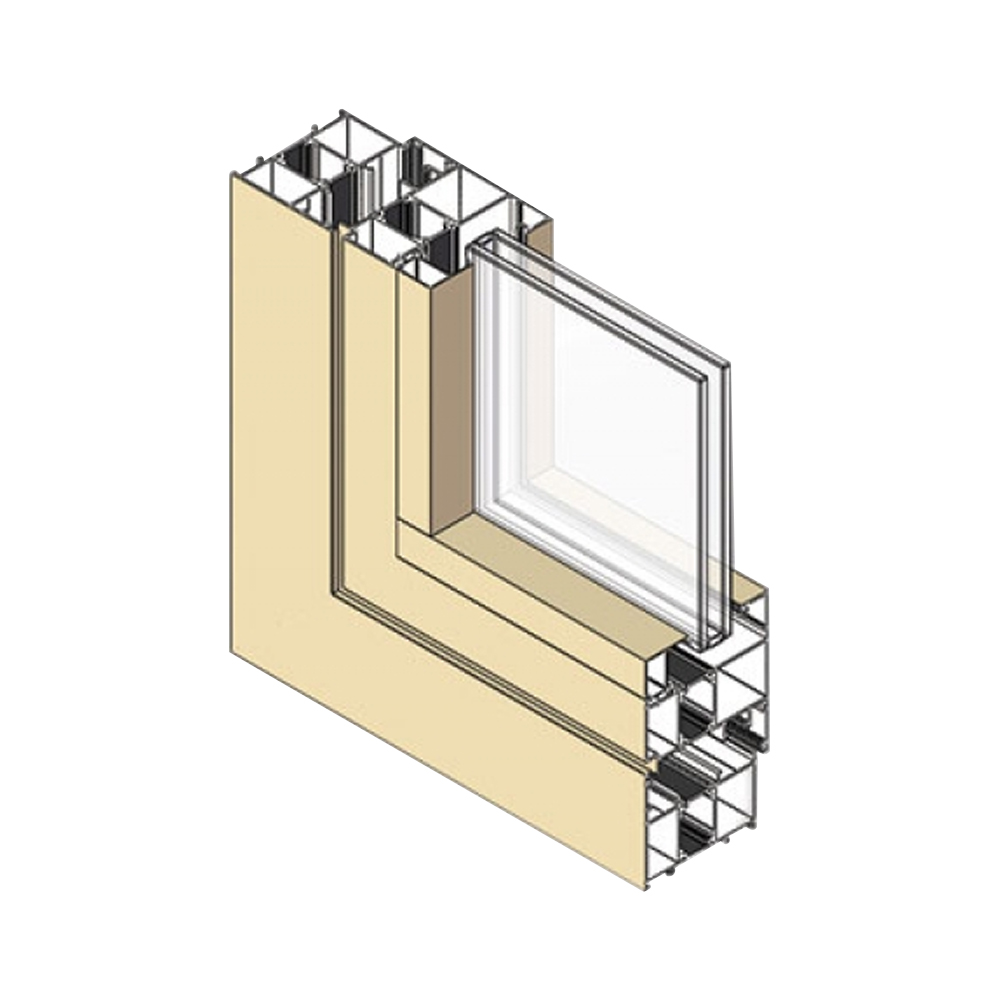
A critical performance factor in any curtain wall aluminum profile is the thermal break—a low-conductivity polyamide strip mechanically pressed between the interior and exterior aluminum chambers. Without this element, heat bridges form across the profile, dramatically increasing energy loss and causing condensation on interior surfaces. High-performance thermal break profiles can achieve Uf values below 1.5 W/m²K, meeting Passive House standards in cold climates.
Surface Finishing: Protecting Performance and Defining Aesthetics
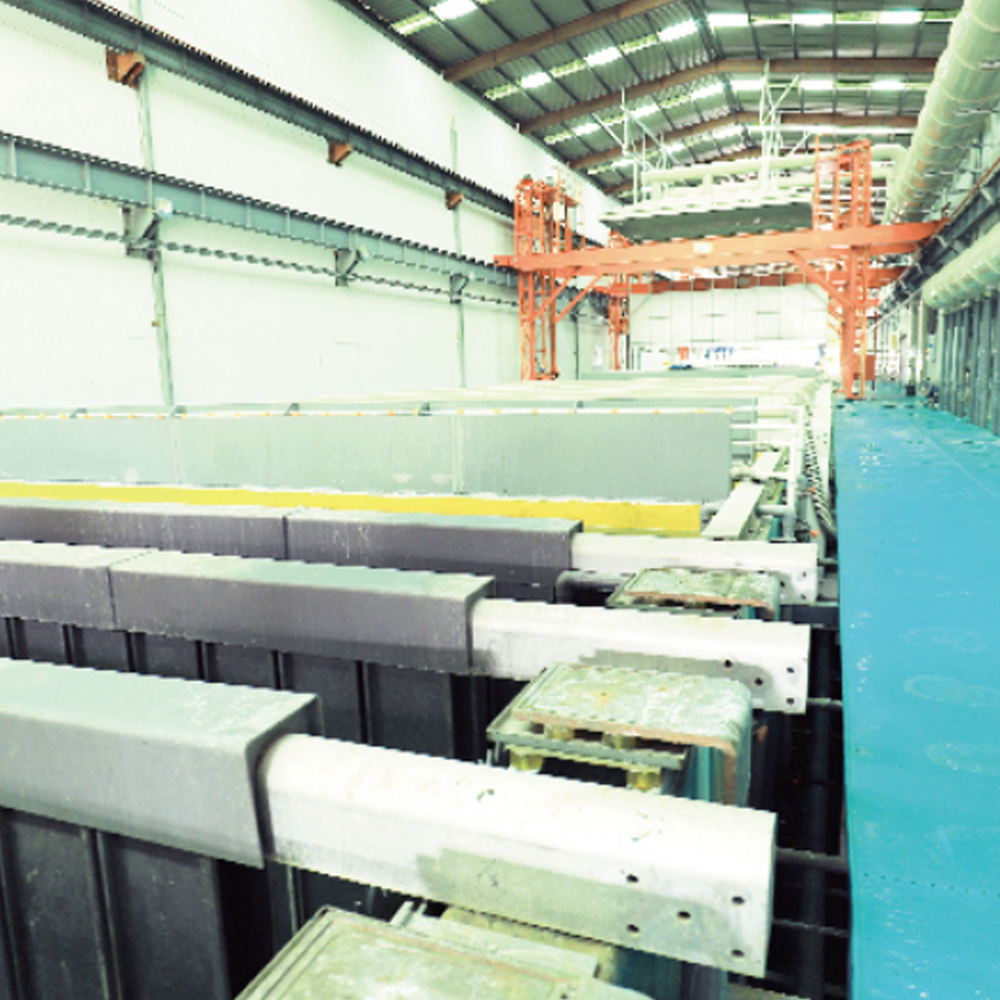
The surface treatment applied to architectural aluminum extrusion profiles serves dual purposes: it protects the base metal from environmental degradation and defines the visual character of the finished facade. The three most widely specified finishing options each offer distinct technical and aesthetic properties:
| Finish Type | Process | Key Benefit | Typical Application |
| Anodizing | Electrochemical oxidation | Hardness, metallic appearance | High-end facades, interiors |
| Powder Coating | Electrostatic spray + curing | Wide color range, UV resistance | Commercial curtain walls, windows |
| Wood-Grain Transfer | Sublimation printing | Natural aesthetics, durability | Residential windows, heritage projects |
| PVDF Coating | Liquid fluoropolymer spray | Superior weatherability, color retention | High-rise towers, coastal buildings |
For projects in coastal or highly corrosive environments, PVDF (polyvinylidene fluoride) coatings provide the highest level of protection, retaining color consistency and gloss for over 20 years with minimal maintenance. Anodized finishes, while offering a more refined metallic look, are best reserved for sheltered or interior-facing applications where chemical exposure is limited.
Energy Efficiency and Sustainability Credentials
The role of curtain wall aluminum profiles and framing systems in building energy performance is increasingly scrutinized as green building certifications such as LEED, BREEAM, and DGNB raise their envelope performance benchmarks. Aluminum profiles, when correctly specified with thermal breaks and compatible high-performance glazing, contribute meaningfully to reducing a building's operational energy consumption.
Beyond thermal performance, aluminum's sustainability credentials extend throughout its lifecycle. Aluminum is 100% recyclable without loss of quality, and the recycling process consumes only about 5% of the energy required for primary production. Many manufacturers now offer profiles with recycled content exceeding 70%, enabling project teams to earn materials credits under major rating systems. This circular economy compatibility is a compelling argument for specifying aluminum over alternatives with lower recyclability rates.
Key Selection Criteria When Specifying Aluminum Profiles
Choosing the right architectural aluminum extrusion profiles for a project requires evaluating several interdependent technical parameters. Rushing this decision can lead to performance shortfalls or costly remediation. The following criteria form a practical specification checklist:
- Alloy and temper: 6063-T5 is standard for most architectural applications; 6061-T6 is preferred where higher structural loads apply.
- Thermal break width: A minimum 24 mm polyamide break is recommended for temperate climates; 34 mm or wider for cold or Passive House projects.
- Wind load capacity: Profile depth and moment of inertia must be engineered to meet site-specific wind pressure calculations, particularly for high-rise curtain wall applications.
- Glazing compatibility: Verify that the profile's glazing pocket dimensions and gasket system are compatible with the specified glass unit thickness and IGU weight.
- Drainage and ventilation: Pressure-equalized rainscreen profiles with defined drainage pathways prevent water accumulation and long-term sealant failure.
- Certification and testing: Request third-party test reports confirming air permeability, water tightness, and structural performance to relevant standards such as EN 12152/12153 or AAMA 501.
By rigorously applying these criteria during the specification phase, project teams can ensure that the selected architectural aluminum extrusion profiles and curtain wall aluminum profiles will deliver reliable, long-term performance—meeting both the visual ambitions of the design and the technical expectations of building owners and occupants alike.