English
 日本語
日本語 한국어
한국어Indusrty News
Content
- 1 How Aluminum Extrusion Technology Is Shaping Renewable Energy Infrastructure
- 2 Photovoltaic Mounting Bracket Aluminium Profiles: Engineering for Outdoor Durability
- 3 Aluminum Extrusion Profiles in Battery Energy Storage Systems
- 4 Key Performance Properties Across New Energy Aluminum Profile Applications
- 5 Alloy Selection and Temper Specification for New Energy Projects
- 6 Sustainability Advantages That Align With New Energy Project Goals
How Aluminum Extrusion Technology Is Shaping Renewable Energy Infrastructure
The transition to renewable energy at industrial and utility scale is placing unprecedented structural and material demands on every component in the energy generation and storage chain. New Energy Aluminum Extrusions Profiles have emerged as the defining material solution across these systems — not through a single breakthrough property, but through a combination of mechanical strength, corrosion resistance, thermal efficiency, and geometric precision that no competing material delivers within the same weight envelope. From large-scale ground-mounted solar farms spanning thousands of panels to compact residential rooftop arrays and high-density battery enclosures for grid storage applications, precision aluminum extrusions form the structural backbone that holds modern sustainable energy infrastructure together.
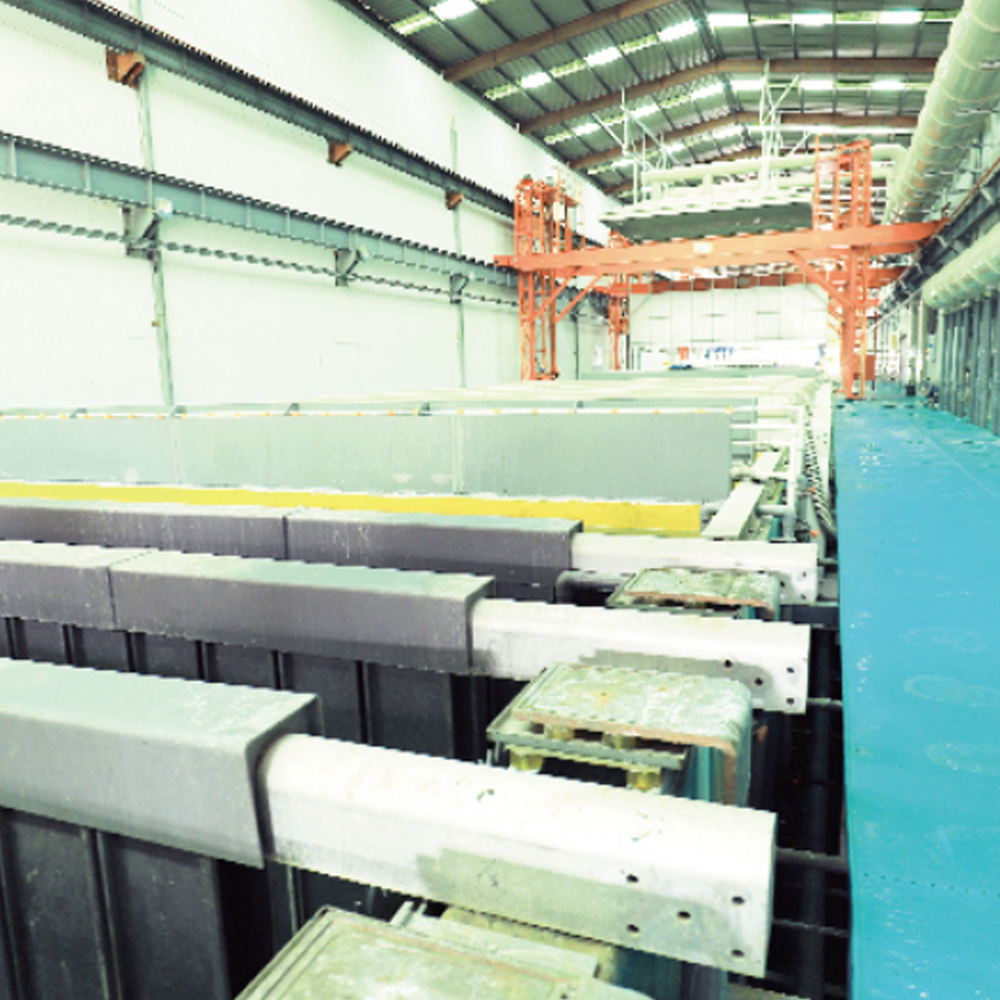
Aluminum's suitability for new energy applications begins with its intrinsic material properties and is extended dramatically through the extrusion process. By forcing heated aluminum alloy billets through precision-machined dies, manufacturers can produce profiles with complex internal geometries — hollow chambers, integrated channels, asymmetric flanges, and precision mounting slots — in a single continuous operation that requires no secondary machining or welding. This manufacturing efficiency translates directly into cost-effective structural components that arrive on-site ready for rapid assembly, reducing installation labor and compressing project timelines across solar, storage, and electric vehicle charging infrastructure deployments.
Photovoltaic Mounting Bracket Aluminium Profiles: Engineering for Outdoor Durability
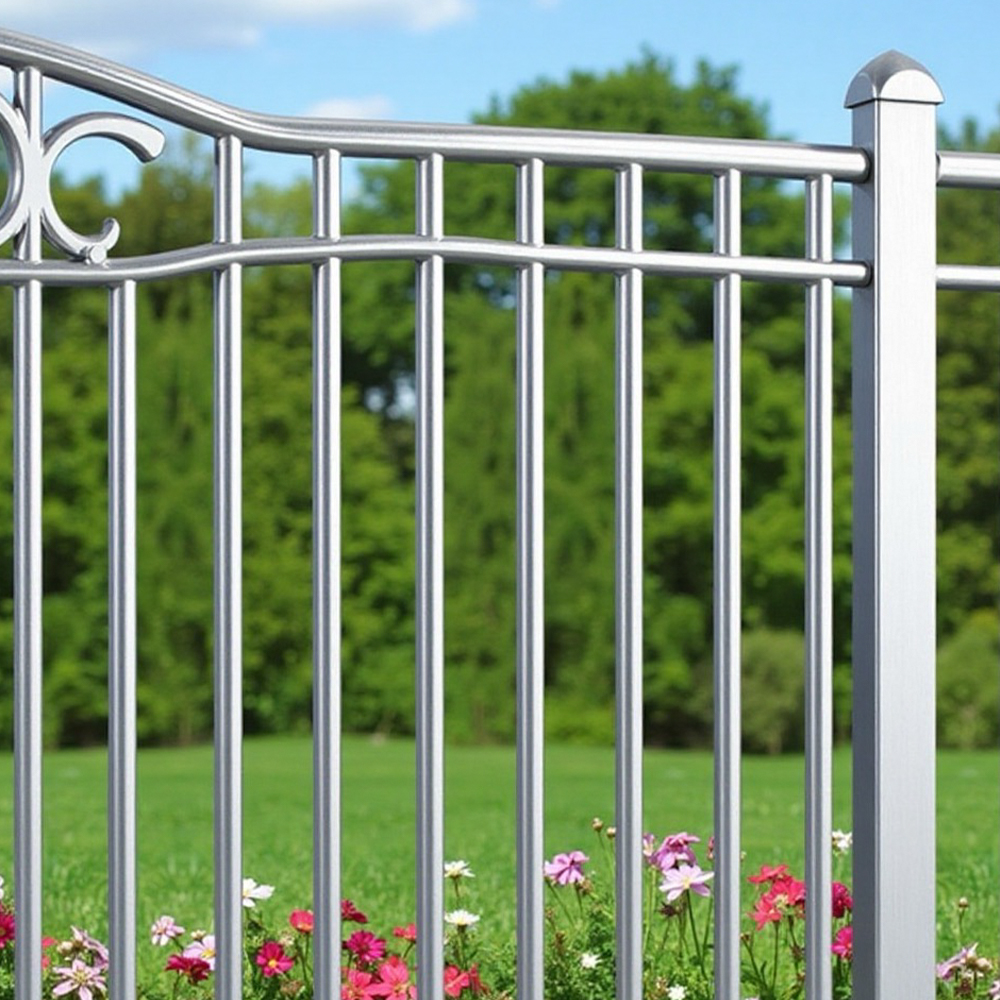
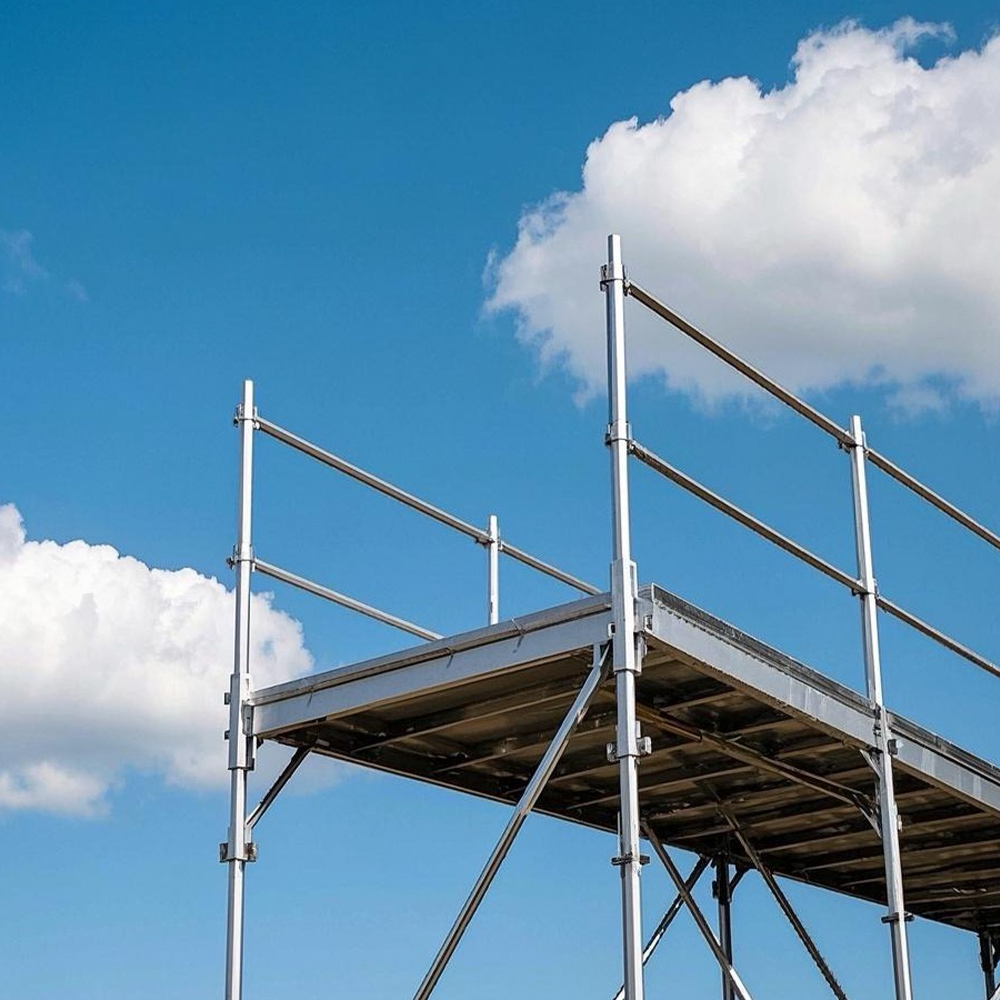
Photovoltaic Mounting Bracket Aluminium Profiles represent one of the most demanding applications for extruded aluminum in the new energy sector. Solar panel installations must endure decades of continuous outdoor exposure — including extreme wind loads exceeding 150 km/h in coastal and elevated sites, temperature cycling from −40°C to +85°C, UV radiation, salt spray, industrial atmospheric pollutants, and the cumulative mechanical fatigue of thermal expansion and contraction through thousands of daily temperature cycles. The structural profiles holding those panels in precise angular alignment must maintain dimensional stability and joint integrity across this entire environmental envelope without degradation for 25 to 30 years — the standard performance warranty period of a utility-grade solar installation.
Aluminum alloys in the 6000 series — primarily 6061 and 6063 — are the industry standard for photovoltaic mounting profiles, combining a tensile strength of 205 to 310 MPa with excellent extrudability that enables the complex cross-sectional geometries required by racking system designers. The natural oxide layer that forms on aluminum surfaces provides baseline corrosion resistance, but for solar mounting applications, this is typically enhanced with anodizing — electrochemically thickening the oxide layer to 15–25 microns — or powder coating with UV-stable polyester compounds. Both treatments dramatically extend surface life in aggressive environments and, critically, do so without adding meaningful weight to the structure. Unlike traditional steel mounts, which require galvanizing or regular paint maintenance to prevent rust and add significant mass to the racking system, aluminum profiles maintain their corrosion resistance passively throughout the installation's service life, reducing maintenance costs to near zero on the mounting structure itself.
Profile Geometry Designed for Load Distribution
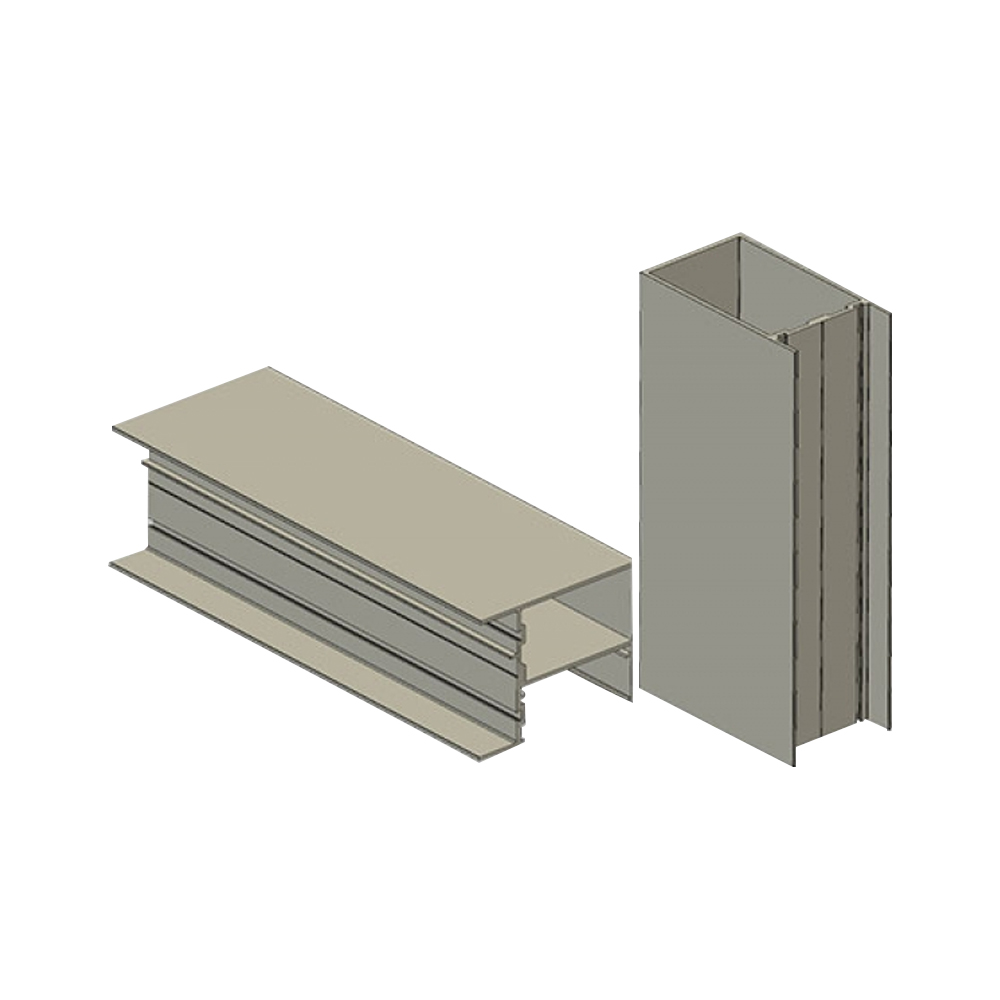
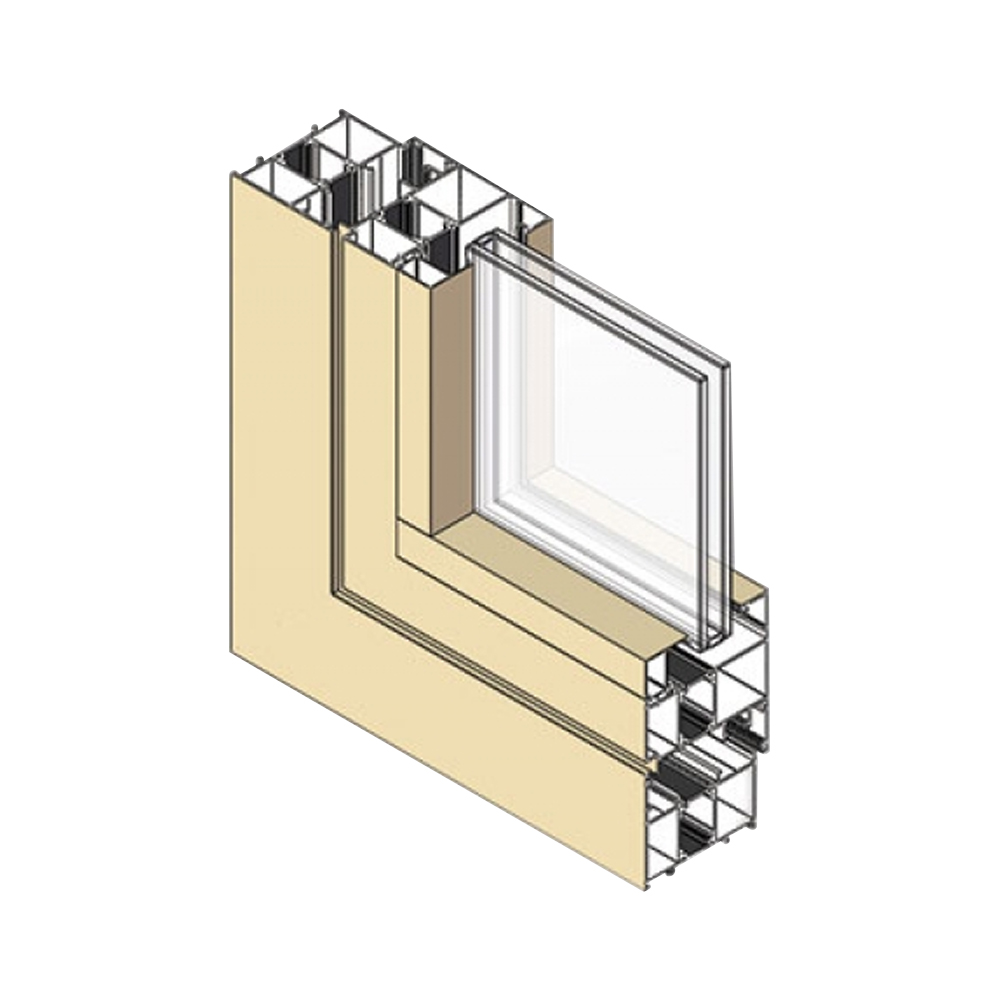
The structural efficiency of photovoltaic mounting bracket profiles depends heavily on their cross-sectional geometry. Multi-chamber hollow profiles — where the extrusion die creates two or more enclosed voids within the profile section — distribute bending loads across a larger effective depth without proportional increases in material volume. This geometry achieves section moduli comparable to much heavier solid sections, enabling engineers to specify lighter profiles without compromising wind and snow load ratings. Integrated T-slot channels running the full length of the profile allow panel clamps, mid-rails, and end-clamps to be positioned and adjusted anywhere along the mounting rail without pre-drilling, significantly accelerating on-site assembly and accommodating panel layout changes during installation.
Aluminum Extrusion Profiles in Battery Energy Storage Systems
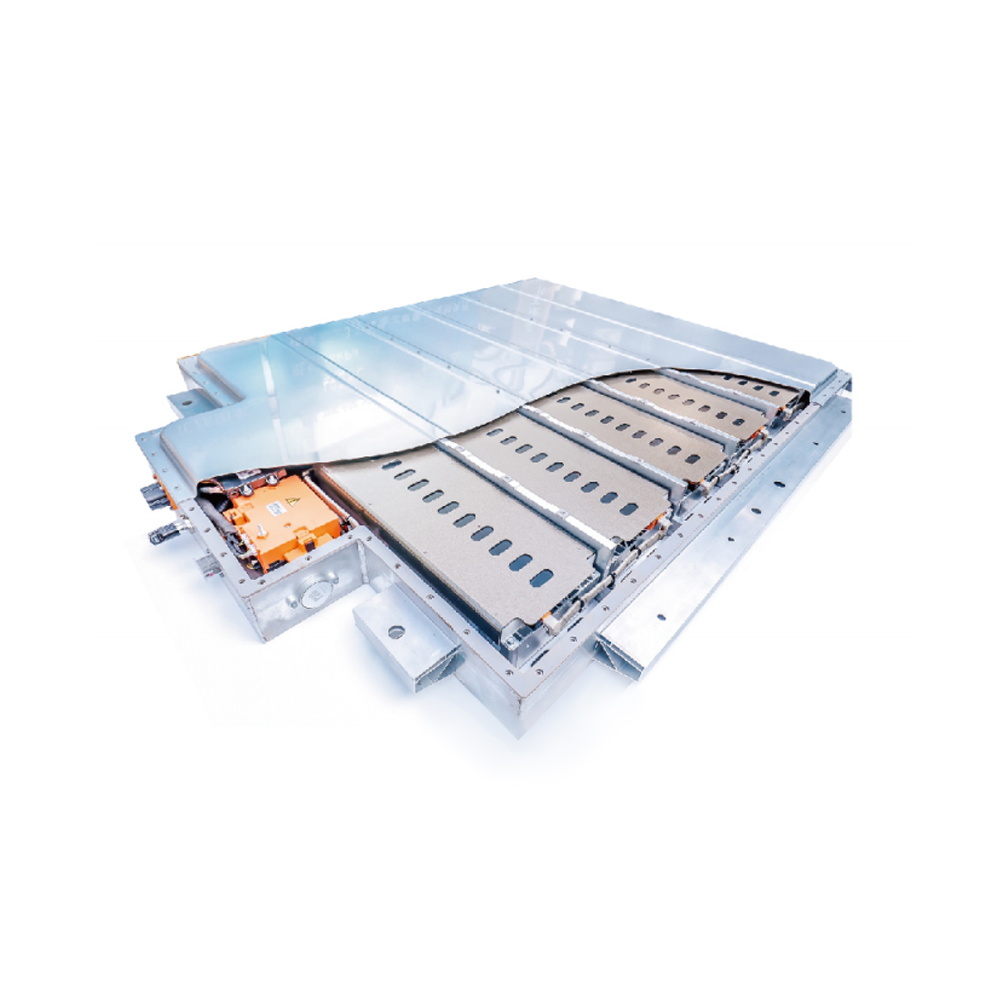
As grid-scale and commercial battery energy storage systems scale rapidly alongside solar and wind deployment, the structural and thermal management requirements of battery pack enclosures have created a new and technically demanding market segment for New Energy Aluminum Extrusions Profiles. Lithium-ion battery cells — whether in cylindrical, prismatic, or pouch formats — must be housed in enclosures that provide precise mechanical containment, structural protection against impact and vibration, effective thermal management to maintain cells within their optimal temperature operating window, and electromagnetic shielding to prevent interference with adjacent control electronics.
Extruded aluminum profiles address all four requirements simultaneously within a single lightweight structure. The thermal conductivity of aluminum — approximately 160 to 200 W/m·K depending on alloy — makes it highly effective at conducting heat away from battery cells and distributing it to cooling plates or liquid cooling channels integrated into the enclosure structure. Extrusion profiles with internal cooling channel geometries — rectangular or serpentine passages through which coolant fluid circulates — can be produced as single-piece components, eliminating the welded assemblies and potential leak points that multi-part cooling structures introduce. For large battery energy storage installations requiring high reliability and minimal maintenance intervention over 10 to 15-year operational periods, the integral construction of extruded aluminum thermal management profiles delivers a structural advantage that fabricated steel or polymer alternatives cannot match.
Structural Protection and Module-Level Customization
Battery pack enclosures built from extruded aluminum profiles offer a further practical advantage through their inherent modularity. Standard profile cross-sections can be cut to length and assembled with corner brackets and end plates to create enclosures of any required dimension without tooling changes, allowing battery system designers to specify pack dimensions that precisely match their cell configuration and available installation space rather than engineering around fixed enclosure sizes. This flexibility is particularly valuable in the rapidly evolving energy storage market, where cell formats and module configurations are changing faster than any fixed-tooling enclosure manufacturing approach can accommodate.
Key Performance Properties Across New Energy Aluminum Profile Applications
The following comparison summarizes the performance characteristics of aluminum extrusion profiles against steel and fiber-reinforced polymer alternatives across the properties most critical to new energy structural applications.
| Performance Property | Aluminum Extrusion | Galvanized Steel | Fiber-Reinforced Polymer |
|---|---|---|---|
| Weight (relative) | Low | High | Medium |
| Corrosion Resistance | Excellent | Moderate | Good |
| Thermal Conductivity | Very High | High | Very Low |
| Profile Geometry Flexibility | Very High | Low | Medium |
| Recyclability | 100% recyclable | Recyclable | Difficult |
| 25-Year Maintenance Cost | Very Low | High | Medium |
Alloy Selection and Temper Specification for New Energy Projects
Selecting the correct aluminum alloy and temper designation for a specific new energy application requires balancing strength, extrudability, corrosion resistance, and weldability against the project's structural load requirements and environmental exposure classification. The following alloys cover the majority of requirements encountered across solar, storage, and electric vehicle charging infrastructure:
- 6063-T5 / T6: The most widely specified alloy for solar mounting rails, module frames, and lightweight structural channels. Excellent extrudability enables complex hollow profiles at high production speed. T5 temper provides a tensile strength of approximately 185 MPa, while T6 temper heat treatment increases this to 245 MPa for applications requiring higher structural ratings.
- 6061-T6: Preferred for high-load structural members — ground-mounting pile caps, tracker torque tubes, and battery rack main frames — where tensile strength requirements exceed 270 MPa. Slightly lower extrudability than 6063 limits profile complexity but delivers superior mechanical performance in demanding load cases.
- 6005A-T5: A medium-strength alloy with extrudability between 6063 and 6061, increasingly specified for solar tracking system structural arms and battery enclosure side rails where the geometry complexity of 6063 profiles is needed alongside the structural rating approaching 6061 performance.
- 6082-T6: Common in European solar and energy storage projects, this alloy delivers tensile strength of up to 310 MPa with good weldability — important for battery enclosure structures where welded joints must maintain structural integrity through vibration and thermal cycling over the system's operational life.
Sustainability Advantages That Align With New Energy Project Goals
The lifecycle sustainability credentials of New Energy Aluminum Extrusions Profiles align naturally with the environmental objectives of the renewable energy projects they support. Aluminum is one of the most recyclable structural materials in industrial use — recycling requires only 5% of the energy consumed in primary smelting, and the recycled material retains full mechanical properties indistinguishable from primary aluminum. For solar installations with 25 to 30-year operational lifespans, this means that the structural aluminum — mounting rails, module frames, tracker components, and enclosure profiles — retains significant recoverable material value at end of project life rather than becoming a disposal liability.
The durability and adaptability of aluminum extrusion profiles further extend their sustainability contribution by enabling repurposing and reuse across project generations. Photovoltaic mounting bracket aluminium profiles from decommissioned solar installations can be inspected, re-cut, and redeployed in new projects or repurposed as structural components in secondary applications — a circular economy outcome consistent with the sustainability principles that motivate the investment in renewable energy infrastructure in the first place. As the global energy transition accelerates and the volume of new solar and storage installations grows toward multi-terawatt scale annually, the structural performance, thermal efficiency, design flexibility, and end-of-life recyclability of precision aluminum extrusions position them as the material of choice for the renewable energy infrastructure of the next several decades.