English
 日本語
日本語 한국어
한국어
Home / Blog / Indusrty News / How Industrial Aluminum Extrusion Profiles Power Automation, Robotics, and Heavy Machinery
Indusrty News
Content
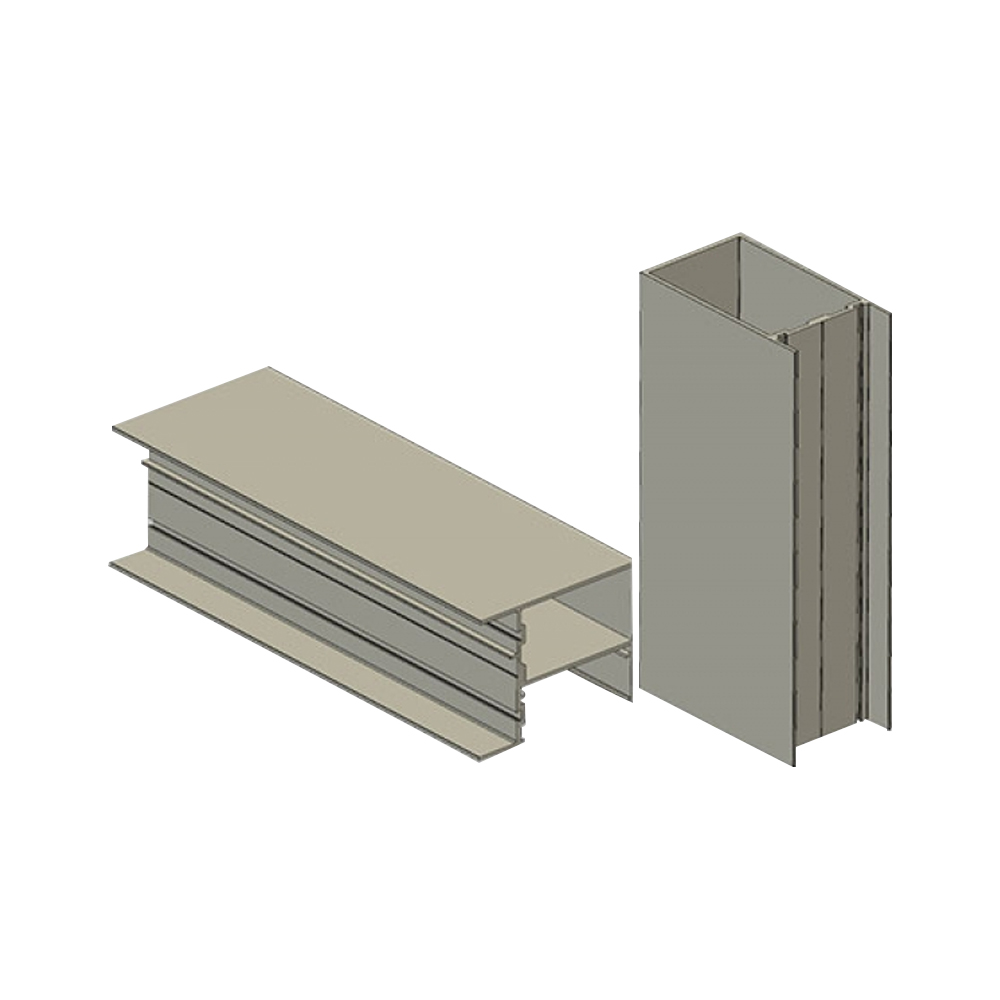
Industrial aluminum extrusion profiles are structural components produced by forcing heated aluminum alloy billets through precision-machined dies to create continuous cross-sectional shapes with consistent geometry along their entire length. The extrusion process allows virtually unlimited cross-sectional complexity — from simple rectangular bars and hollow tubes to multi-chamber profiles with integrated T-slots, dovetail channels, and internal reinforcement webs — all produced in a single manufacturing operation that requires no secondary machining to achieve the functional geometry. This combination of geometric flexibility and production efficiency is what makes industrial aluminum extrusion profiles the structural building block of choice across an exceptionally broad range of manufacturing, automation, and construction applications.
The material properties of aluminum alloys used in industrial extrusion — most commonly 6061-T6, 6063-T5, and 6082-T6 — provide a performance baseline that explains the material's dominance in industrial structural applications. Aluminum's density of approximately 2.7 g/cm³ is roughly one-third that of steel, which means aluminum extrusion profiles deliver a strength-to-weight ratio that allows engineers to achieve required structural performance while significantly reducing the dead load of equipment frames, gantries, and machine structures. This weight reduction translates directly into lower foundation loading, reduced inertia in moving systems, easier manual handling during assembly, and lower energy consumption in dynamic applications where mass must be accelerated and decelerated repeatedly during operation.
Corrosion resistance is an equally important material advantage. Aluminum forms a stable, self-repairing oxide layer on its surface through natural passivation, which protects the underlying metal from further oxidation without any applied coating or treatment. For industrial aluminum extrusion profiles used in outdoor applications, food processing environments, chemical handling facilities, or humid manufacturing spaces, this inherent corrosion resistance eliminates the ongoing maintenance burden of repainting or re-treating that steel structures require to maintain their structural integrity over time.
General industrial aluminum profiles form the structural backbone of a vast range of equipment and facility applications where the requirement is for a reliable, adaptable framework that can be configured quickly, modified as needs change, and trusted to perform consistently in demanding environments. These profiles offer a perfect balance of strength, durability, and lightweight design that makes them suitable for applications ranging from lightweight enclosures and workstation frames to heavy-duty machine bases and outdoor structural systems.
The T-slot profile system — where longitudinal T-shaped channels are incorporated into the profile faces during extrusion — is the most widely deployed configuration in general industrial applications because it enables modular assembly without welding, drilling, or specialized tooling. T-slot nuts and bolts inserted into the channels allow components to be positioned, clamped, and adjusted anywhere along the profile length, then repositioned without damaging the profile itself. This reconfigurability is particularly valuable in manufacturing environments where production layouts change frequently, where equipment must be adapted for new product variants, or where phased expansion of a production system needs to happen without replacing existing structural components.
For heavy-duty machinery applications, general industrial aluminum extrusion profiles in larger cross-sections — typically 80×80mm, 100×100mm, or 120×120mm with thick wall sections and internal reinforcement webs — provide the bending stiffness and compressive strength needed to support significant static and dynamic loads without deflection that would compromise equipment precision or alignment. The ability to produce a sturdy framework for heavy-duty machinery using bolted aluminum extrusion construction rather than welded steel tube offers significant advantages in manufacturing flexibility: the frame can be assembled by a technician rather than a certified welder, dimensional adjustments can be made during assembly without cutting and re-welding, and the completed structure can be partially disassembled for transport or relocation without losing structural integrity.
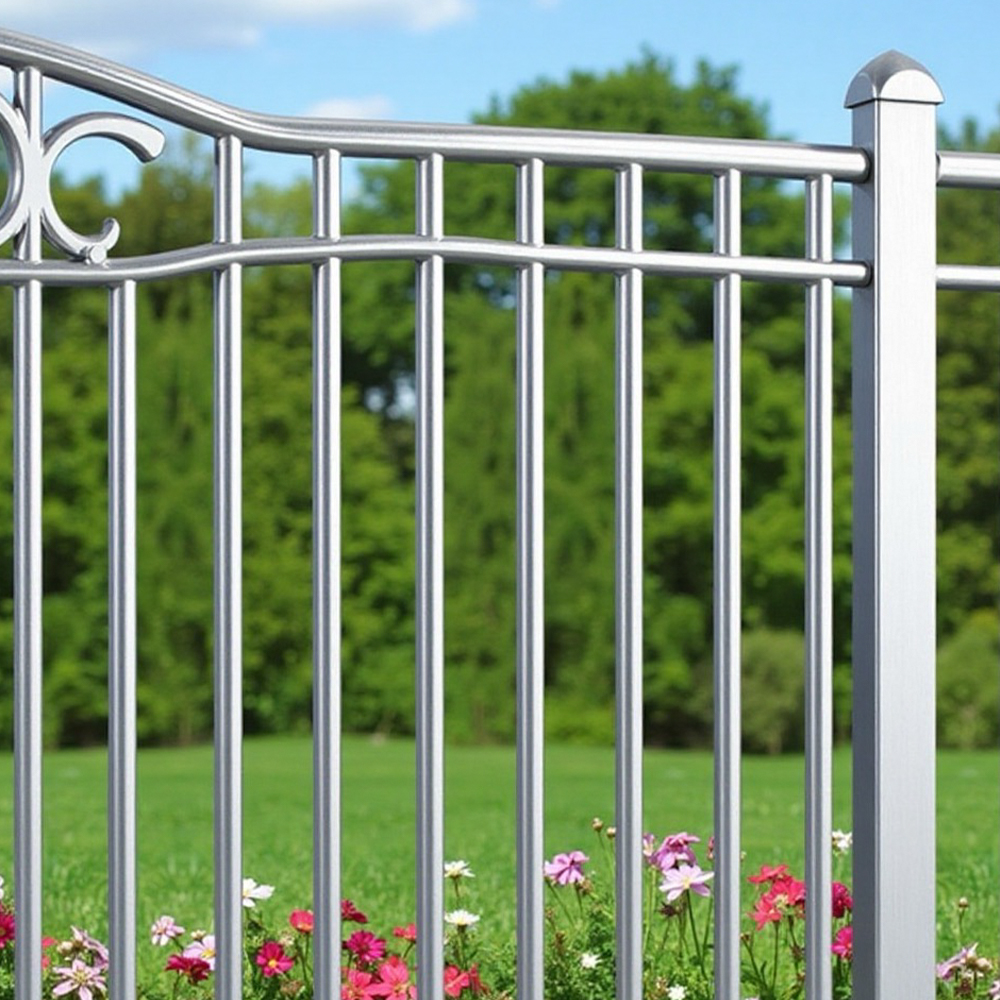
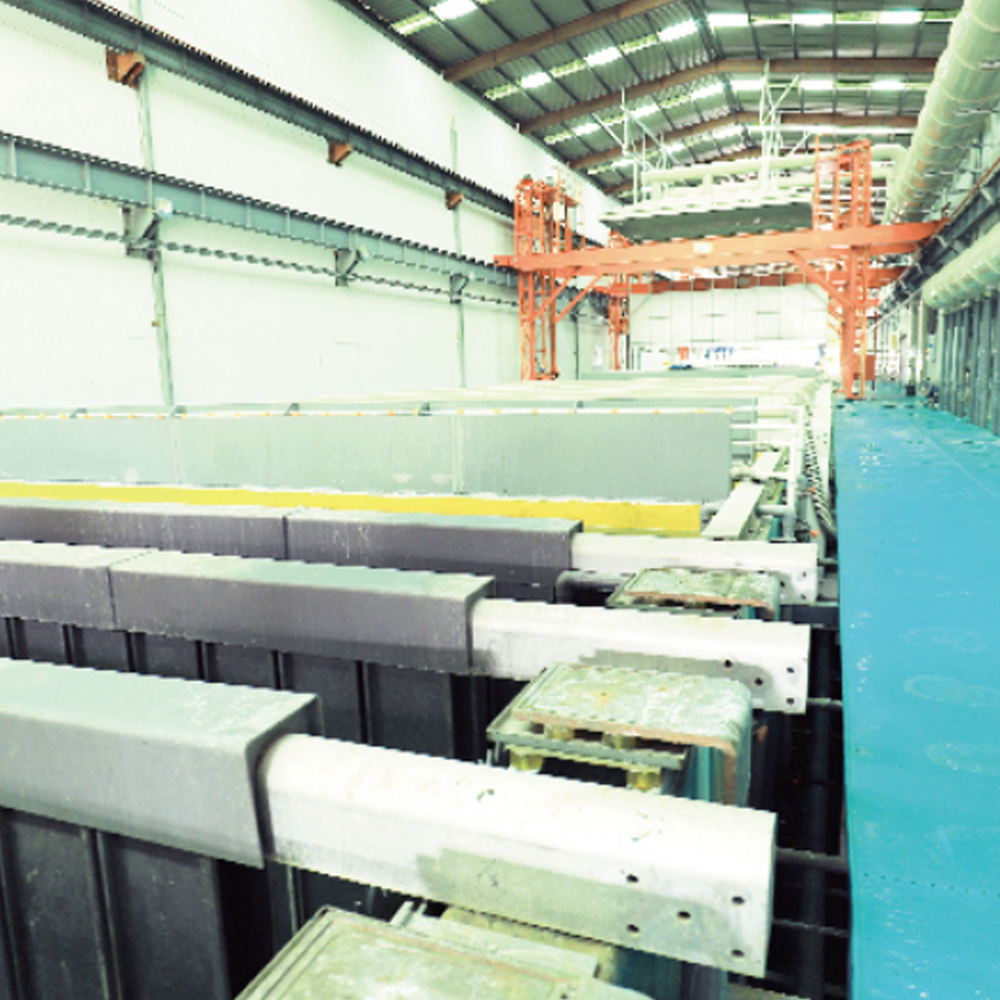
General industrial aluminum profiles are particularly well suited to outdoor applications where weather exposure, temperature cycling, and atmospheric contamination would cause painted steel structures to corrode and degrade over time. Anodized aluminum extrusion profiles — where the natural oxide layer is thickened and hardened through an electrochemical process — provide enhanced surface durability that withstands UV exposure, abrasion, and industrial atmosphere contamination without the color fading or surface degradation that affects organic coatings. For solar panel mounting structures, outdoor conveyor frameworks, agricultural equipment, and marine facility installations, this corrosion-resistant structure for outdoor applications delivers decades of reliable service with minimal maintenance intervention.
For industries requiring high-performance solutions in automation, robotics, and precision manufacturing, industrial equipment aluminum profiles represent a specialized and more demanding tier of the extrusion product range. These profiles are crafted with precision engineering to meet the tighter dimensional tolerances, surface quality requirements, and mechanical performance specifications that automation systems, conveyor mechanisms, and robotic structures impose on their structural components.
The exceptional strength-to-weight ratio that aluminum extrusion profiles provide is nowhere more practically valuable than in robotics and automation. Robotic arm segments, end-effector mounting structures, and gantry beams in automated handling systems must be as light as possible to minimize the inertia that servo motors must overcome during rapid acceleration and deceleration cycles — while being stiff enough to maintain positional accuracy at the tool tip throughout the motion range. Adding mass to a robotic arm requires a proportionally more powerful and expensive drive system to achieve the same motion performance; using aluminum extrusion profiles instead of steel for structural members allows engineers to specify smaller, faster, more energy-efficient motors for the same payload and reach envelope.
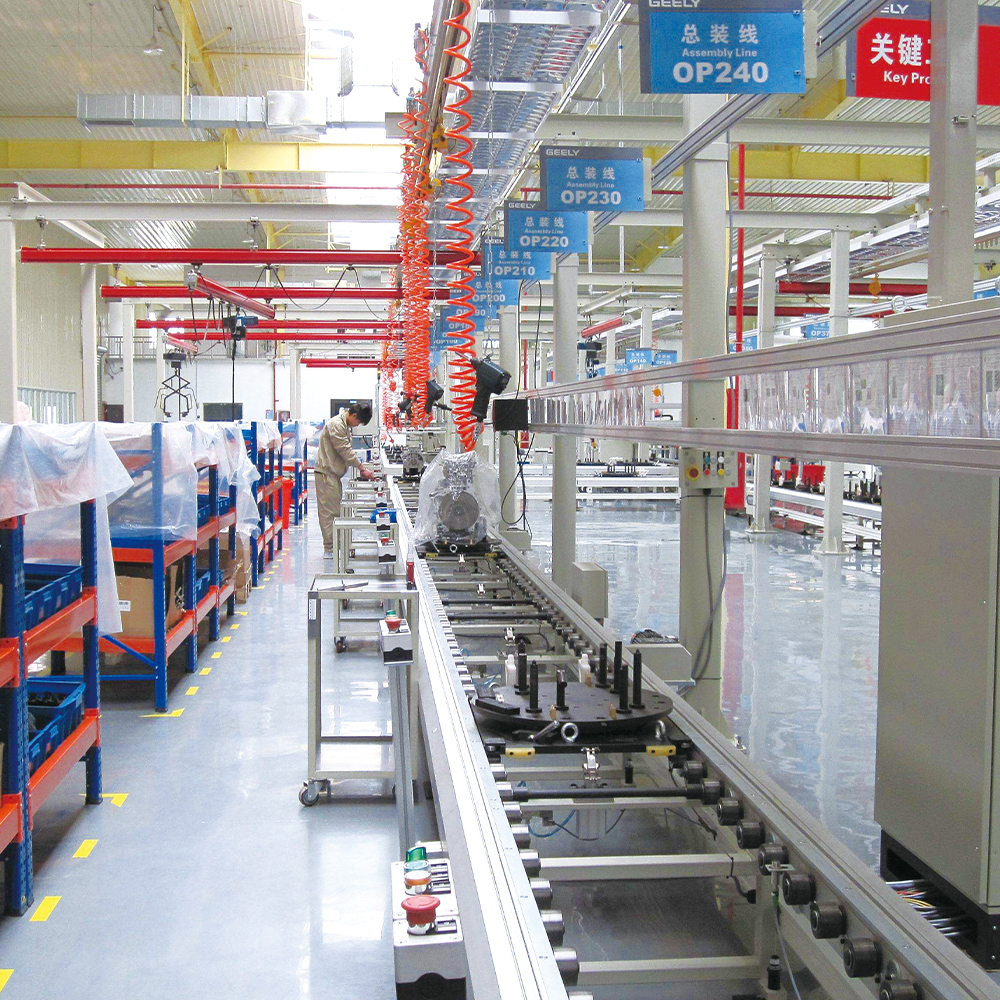
Conveyor mechanisms represent one of the highest-volume applications for industrial equipment aluminum profiles, where the profile serves simultaneously as the structural frame of the conveyor body, the mounting surface for drive components and guiderails, and often the running surface for the belt or chain. Aluminum extrusion profiles designed for conveyor applications incorporate precisely positioned T-slots on multiple faces to accept belt guide clips, side guard mounting brackets, sensor mounting arms, and drive motor flanges — all without drilling into the profile body. The smooth, anodized surface of the profile extrusion also provides a clean aesthetic appropriate for food-grade conveyor systems where surface hygiene is a regulatory requirement.
High-speed production lines require structural profiles that maintain their dimensional stability under the vibration loads generated by high-cycle reciprocating mechanisms, fast-moving carriages, and pneumatic actuators operating at rates of hundreds of cycles per minute. Industrial equipment aluminum profiles for these applications are specified with tighter straightness and twist tolerances than standard general industrial profiles, and may incorporate precision-machined reference surfaces — either machined after extrusion or achieved through careful die design — that allow linear guide rails, sensor mounting brackets, and tooling plates to be aligned without shimming or adjustment. This precision integration is what enables automation systems, particularly those performing vision-guided assembly or high-accuracy pick-and-place operations, to maintain their positional repeatability across millions of cycles without drift or degradation of structural reference geometry.
Selecting the correct aluminum alloy and temper designation for a specific industrial extrusion profile application is a decision that significantly affects the finished component's strength, surface quality, weldability, and machinability. The following table summarizes the characteristics of the most commonly specified alloys in industrial aluminum extrusion profiles to support informed material selection decisions.
| Alloy / Temper | Tensile Strength | Key Characteristics | Best Applications |
|---|---|---|---|
| 6063-T5 | 145–185 MPa | Excellent surface finish, good anodizing response | Architectural frames, light structural profiles, enclosures |
| 6061-T6 | 260–310 MPa | High strength, good machinability, weldable | Machine frames, heavy-duty structures, robotic components |
| 6082-T6 | 290–340 MPa | Highest strength in 6xxx series, excellent corrosion resistance | High-load conveyor structures, outdoor industrial frameworks |
| 7075-T6 | 500–570 MPa | Very high strength, aerospace grade, limited weldability | High-performance robotic arms, precision automation components |
The easy customization options available for industrial aluminum extrusion profiles are what enable manufacturers and system integrators to seamlessly integrate these components into any project without compromise. Customization operates at multiple levels, from standard catalog profile selection through to fully bespoke die design for proprietary cross-sections that are unique to a specific product or application.
For most industrial applications, selecting from an established profile family and specifying custom cut lengths, surface treatments, and secondary machining operations — such as end milling, tapping, and precision hole patterns — provides sufficient flexibility to meet project requirements without the lead time and tooling investment of a completely custom die. CNC machining centers dedicated to aluminum extrusion processing can produce complex end preparations, internal features, and precision reference surfaces in a single setup, delivering finished structural components ready for direct assembly into equipment frames and automation systems.
For applications where no standard profile geometry meets the structural or functional requirements — such as a conveyor frame profile that must integrate a specific belt guide geometry, a cable management channel, and a mounting surface for a proprietary sensor array in a single extrusion — custom die development delivers a purpose-engineered profile that eliminates assembly steps, reduces component count, and produces a cleaner, more maintainable finished structure. The investment in custom die tooling is typically recovered within the first production run for medium-to-high volume applications, and the resulting profile provides a competitive differentiation advantage that standard profile assemblies cannot replicate. This is the ultimate expression of what industrial aluminum extrusion profiles offer: the ability to encode complex engineering requirements directly into the cross-sectional geometry of the profile itself, delivering efficiency and excellence in every meter of extruded material.


Copyright © 2025 Jiangyin Jianbang Aluminium Co., Ltd.
All Rights Reserved.
 Aluminum Extrusion Manufacturers
Aluminium Profile Suppliers
Aluminum Extrusion Manufacturers
Aluminium Profile Suppliers