English
 日本語
日本語 한국어
한국어Indusrty News
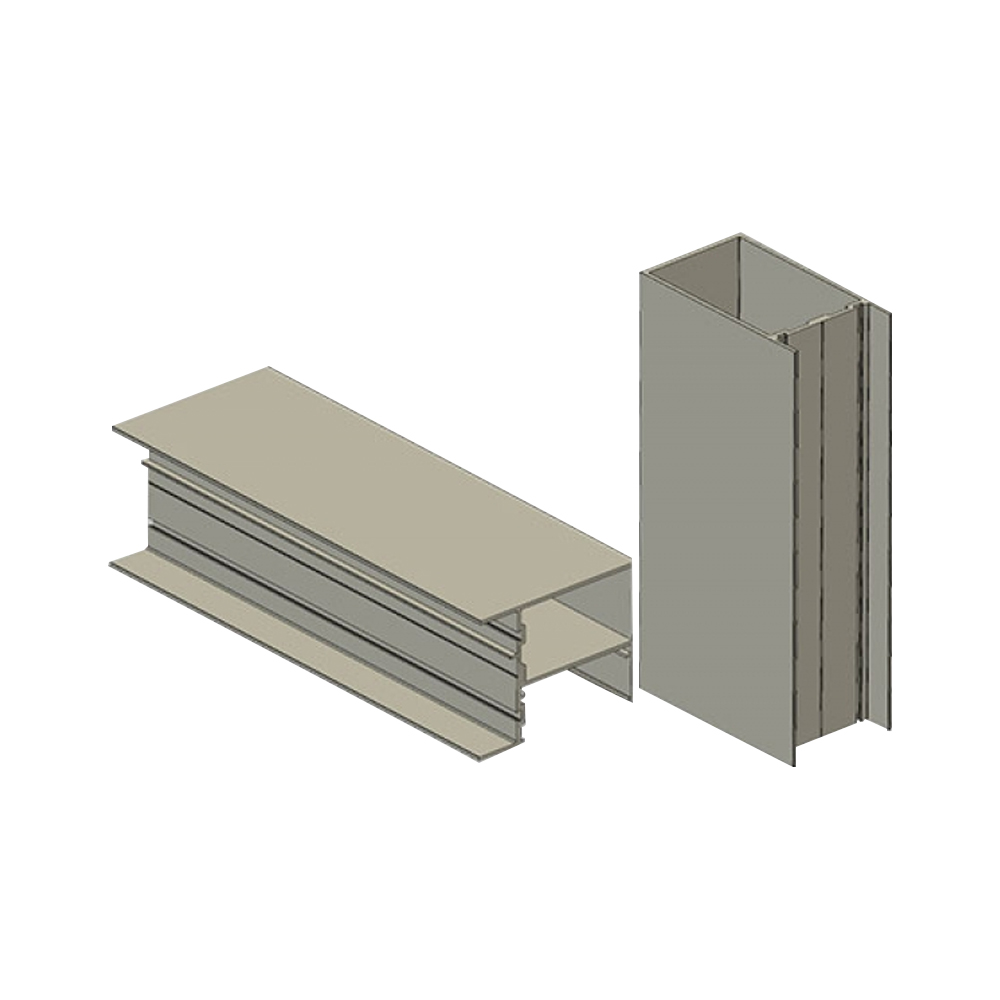
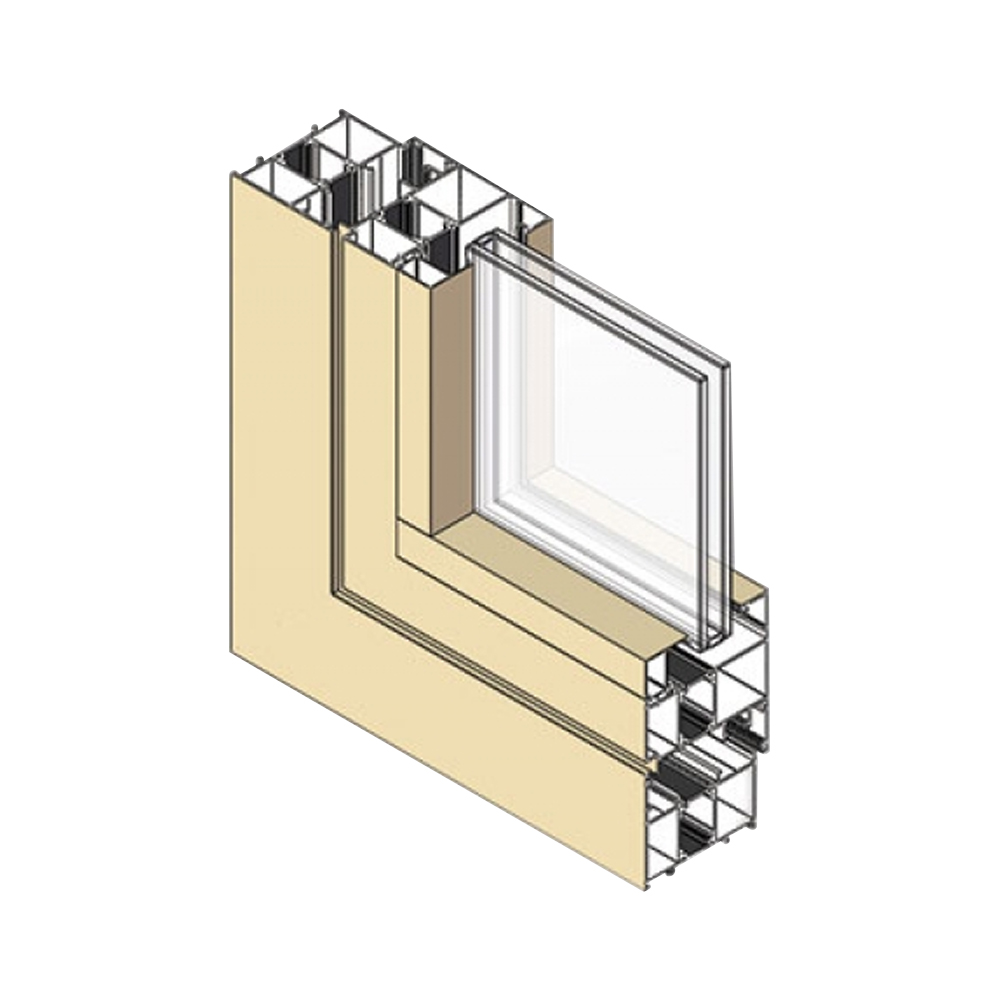
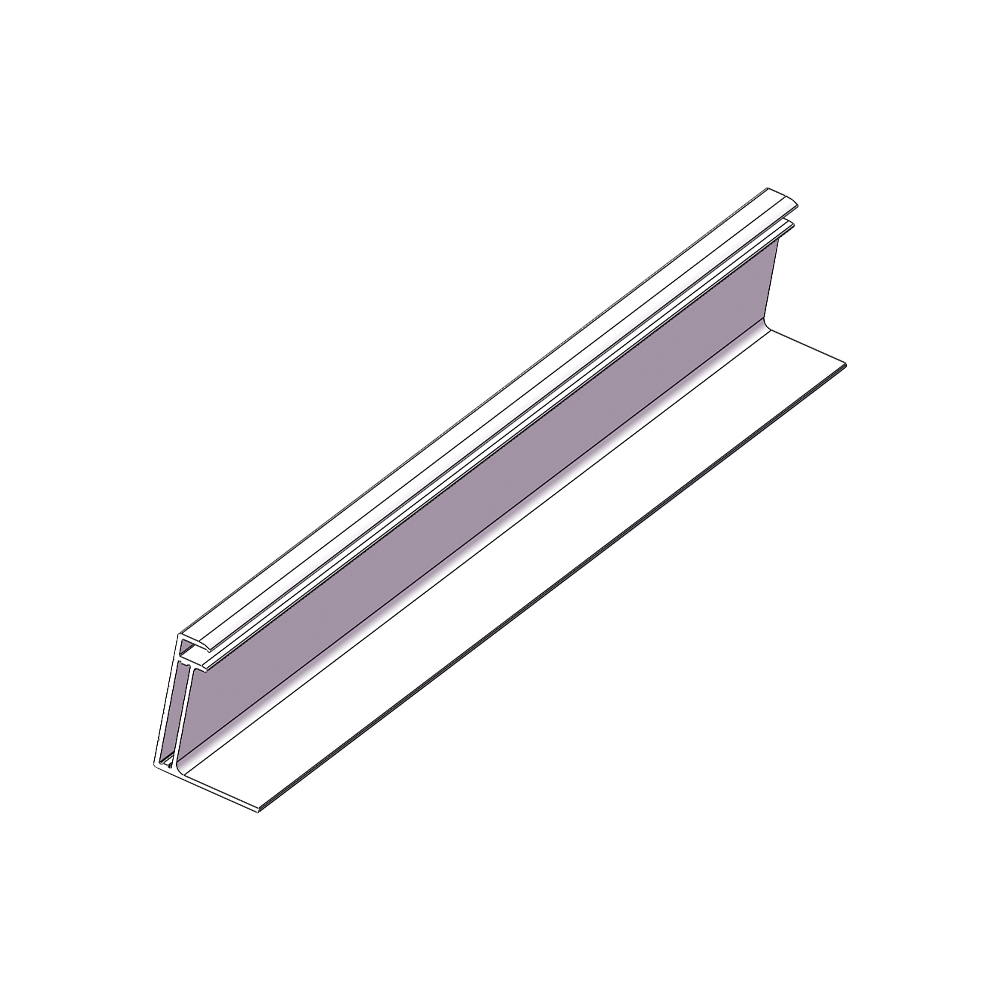
The fundamental reason photovoltaic mounting bracket aluminium profiles have become the industry standard is their unmatched strength-to-weight ratio combined with exceptional corrosion resistance. An extruded aluminium profile typically weighs 65% less than an equivalent galvanized steel bracket, yet properly engineered 6000-series alloys deliver tensile strengths exceeding 260 MPa. This combination allows solar arrays to be installed on rooftops with lower dead loads, while the natural oxide layer that forms on aluminium passively protects the structural integrity for 30 years or more without repainting or galvanizing maintenance. The product categories—frame profiles, mounting bracket profiles, and frame corner connectors—each serve distinct load-bearing functions within the array, and their dimensional precision must be maintained within a tolerance of ±0.5 mm to ensure seamless on-site assembly.
Installation efficiency is the hidden economic driver behind aluminium's dominance. A modular rail system using slotted aluminium extrusions with T-bolt channels eliminates the need for on-site drilling or welding. This reduces the installation time per kilowatt-peak by approximately 30 to 40% compared to hot-dip galvanized steel structures that require field modification. The market reception for these profiles is driven not just by their technical properties, but by the total cost of ownership, where the higher initial material cost of aluminium is recouped within the first five to seven years of operation through eliminated maintenance visits and prevented structural degradation.
Content
Alloy Selection and Metallurgical Properties
Not all aluminium is suitable for load-bearing solar applications. The photovoltaic mounting bracket industry relies almost exclusively on 6005A, 6061, and 6063 alloys, each selected for specific performance criteria. 6063 alloy, with its superior extrudability and smooth surface finish, is the preferred choice for photovoltaic frame profiles where aesthetic consistency and anodizing quality matter. For mounting bracket profiles that bear the primary structural load, 6005A and 6061 are specified because they offer higher yield strength after T5 or T6 tempering, resisting the bending moments induced by wind uplift and snow accumulation.
The temper designation is equally important as the alloy number. A T5 temper indicates that the profile was cooled from an elevated temperature shaping process and artificially aged, achieving a good balance between strength and ductility. A T6 temper goes further through solution heat treatment before artificial aging, delivering maximum strength but at a slightly higher cost. For a ground-mount solar farm in a region with wind speeds exceeding 150 km/h, T6 profiles become necessary to prevent permanent deformation under gust loads. The table below outlines the critical mechanical distinctions that inform material selection.
| Alloy & Temper | Tensile Strength (MPa) | Yield Strength (MPa) | Typical Component Application |
|---|---|---|---|
| 6063 T5 | 185 | 145 | PV frame profiles, non-load-bearing trims |
| 6063 T6 | 245 | 200 | Frame corner connectors, small brackets |
| 6005A T6 | 285 | 250 | Primary mounting rails, wind-bracing struts |
| 6061 T6 | 310 | 276 | Heavy-load ground-mount support columns |
The thermal expansion coefficient of aluminium, approximately 23.1 × 10⁻⁶ /°C, must also be factored into the mounting bracket design. A 6-meter rail installed at 10°C will expand by nearly 4 mm when the ambient temperature reaches 40°C. If the T-bolt channels and splice connectors do not allow for this longitudinal movement, thermal buckling can exert unexpected lateral forces on the solar modules, leading to micro-cracking in the photovoltaic cells. This is why properly designed bracket profiles incorporate slotted connection points rather than fully fixed rigid joints.
Surface Treatment and Weather Resistance Engineering
Good weather resistance in aluminium solar profiles is not inherent; it is engineered through surface treatment. The two primary processes are anodizing and powder coating, and their suitability depends entirely on the installation environment. Anodizing creates a controlled oxide layer, typically 10 to 25 microns thick, that is integral to the metal surface and will not peel or flake. For coastal installations where salt spray is a constant threat, anodized profiles with a minimum AA15 (15-micron) coating are mandatory. Powder coating offers a wider color range and typically builds a 60 to 80-micron barrier layer, but its performance hinges entirely on the pre-treatment chromate conversion coating applied before the powder is sprayed.
Field data from solar enterprises operating in the Middle East and Southeast Asia confirms that polyester powder coatings can degrade within 8 to 10 years under intense UV-B radiation unless formulated with super-durable polyester resins containing ultraviolet stabilizers. Anodized surfaces, by contrast, are impervious to UV degradation because the color is produced by light interference within the transparent oxide structure, not by pigment. The market has well-received suppliers who can provide QUALANOD or QUALICOAT certification, as these third-party quality marks guarantee that the surface treatment batch has passed standardized corrosion chamber tests, including neutral salt spray exposure for 1,000 hours or more without blistering or filamentary corrosion originating from the cut edges.
Profile Geometry and Modular Assembly Logic
The cross-sectional geometry of a mounting bracket aluminium profile determines its moment of inertia and, consequently, its resistance to deflection. A standard C-channel rail with a height of 40 mm and a flange thickness of 3 mm can span 1.5 meters between roof attachment points without exceeding the L/200 deflection limit when supporting a standard 72-cell module load. For commercial rooftop installations requiring longer spans, profiles with a box-section geometry or internal ribbing increase the moment of inertia without a proportional increase in material weight, maintaining the system's lightweight advantage.
T-Slot and Channel Alignment Tolerance
The easy installation characteristic of modern solar aluminium profiles depends on the precision of the T-slot channel. The slot width must be held to a tolerance of +0.2/-0.0 mm to ensure that a standard M8 or M10 T-bolt slides freely without rotational slop that could cause the module clamp to misalign. When frame corner aluminium profiles are joined to the main rails using L-brackets and self-tapping screws, the pilot grooves integrated into the extrusion profile guide the screw path, preventing cross-threading that would otherwise compromise the clamp load. A profile that appears identical to the naked eye can fail in the field if the internal radius of the T-slot corners deviates by even 0.5 mm, causing stress concentration when the bolt is torqued to the specified 15-20 Nm.
Cutting and Drilling Best Practices On-Site
While aluminium profiles arrive pre-cut and pre-drilled from the factory, field modifications are sometimes unavoidable on retrofit projects. When cutting a rail, a carbide-tipped blade with a negative rake angle specifically designed for non-ferrous metals must be used to prevent the blade from grabbing the soft aluminium and causing kickback. Cut ends must be deburred and treated with a cold galvanizing compound or anodizing touch-up pen to restore the corrosion barrier. Drilling into the web of a bracket profile should never be done within 20 mm of a load-bearing flange edge, as the hole acts as a stress riser that can initiate a fatigue crack under cyclic wind vibration.
Lifecycle Performance and Structural Longevity
The long service life of photovoltaic mounting bracket aluminium profiles is validated through accelerated lifecycle testing that simulates 25 to 30 years of environmental exposure. Cyclic corrosion testing alternates between salt fog, drying, and controlled humidity to replicate coastal, industrial, and rural microclimates. Profiles that pass these tests show no significant reduction in load-bearing capacity, with ultimate tensile strength remaining above 95% of the original value. This durability stands in stark contrast to galvanized steel, which loses zinc coating thickness at a predictable rate of 1-3 microns per year depending on atmospheric sulfur dioxide concentration.
End-of-life recyclability further reinforces the material's sustainability credentials. Aluminium requires only 5% of the original energy input to remelt and re-extrude into new profiles. For solar enterprises committed to circular economy principles, specifying mounting brackets made from aluminium with a high recycled content—often 60% or more post-industrial scrap—reduces the embodied carbon of the mounting structure by nearly 80% compared to primary aluminium, without sacrificing the mechanical properties that ensure a reliable, maintenance-free installation for decades.
Quality Verification in Supplier Partnerships
The market reception of solar aluminium profiles is directly tied to the consistency of the supply chain. A single batch of extrusions with off-specification wall thickness can delay a multi-megawatt installation and incur penalty clauses. Leading suppliers enforce inline dimensional scanning during extrusion, where laser micrometers continuously monitor the profile as it exits the press at speeds up to 40 meters per minute. Any deviation triggers an immediate alert, and the non-conforming section is scrapped before it reaches the aging oven. This real-time quality control separates profiles that will install easily and perform reliably from those that will require fitters to use pry bars and sledgehammers to force misaligned components together.
Cooperation between solar enterprises and profile manufacturers should include a documented inspection test plan that specifies sample frequency for hardness testing, coating thickness measurement, and dimensional audit. A standard protocol draws one sample per 500 profiles from each production batch and verifies that the Brinell hardness falls within the specified range for the designated temper. This statistical process control ensures that the easy installation, good weather resistance, and long service life promised by the product specification are delivered consistently to the project site.