English
 日本語
日本語 한국어
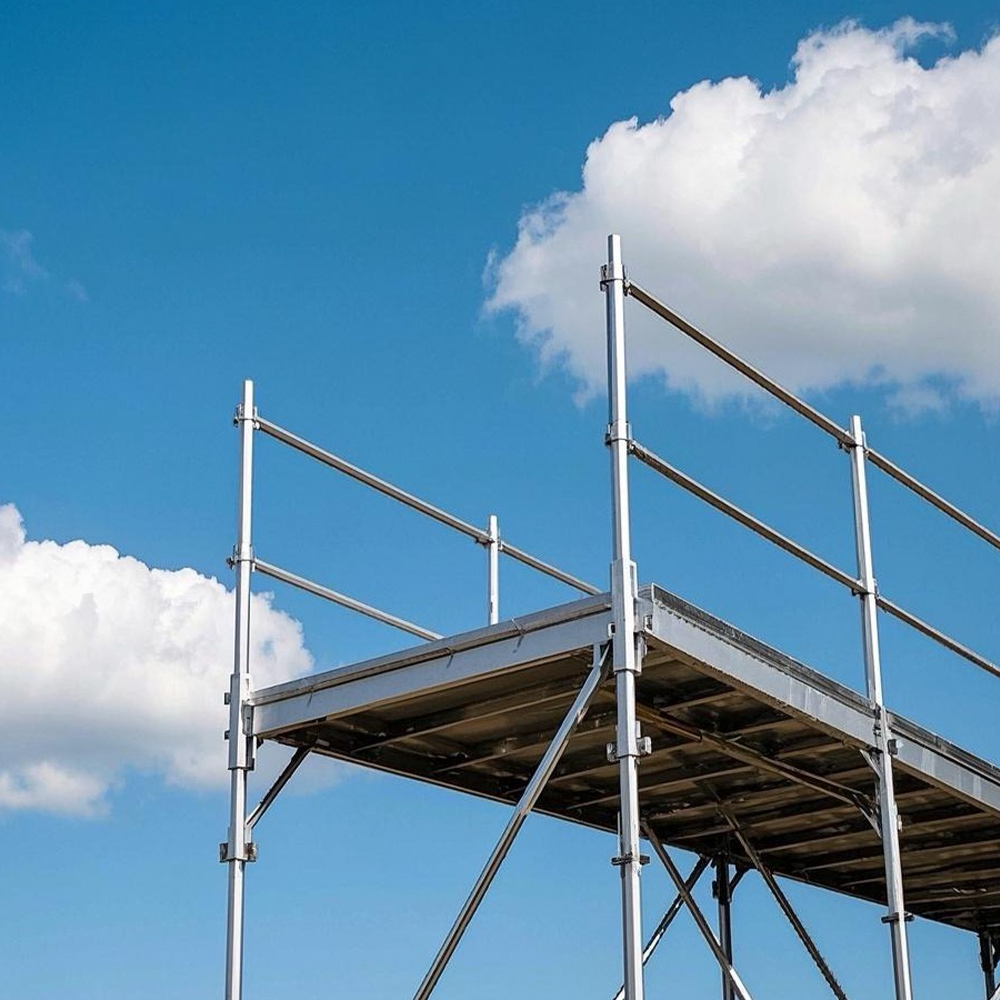
한국어Scaffold aluminum profiles represent the optimal balance between structural integrity and operational efficiency in modern construction. By leveraging the inherent properties of high-grade aluminum alloys, these profiles provide a lightweight yet robust framework that significantly reduces labor costs and assembly time. Unlike traditional steel systems, aluminum scaffolding offers superior corrosion resistance and ease of handling, making it the preferred choice for projects requiring rapid deployment and long-term durability.
Content
Material Engineering and Structural Performance
The performance of scaffold aluminum profiles is rooted in advanced metallurgical engineering. Typically manufactured from 6000-series aluminum alloys, such as 6061-T6 or 6082-T6, these profiles undergo precise heat treatment to enhance their mechanical properties. This process ensures that the material can withstand significant load-bearing stresses while maintaining flexibility.
Strength-to-Weight Ratio
One of the most critical metrics in scaffolding design is the strength-to-weight ratio. Aluminum profiles offer a distinct advantage here, being approximately one-third the weight of steel while retaining comparable tensile strength. This reduction in weight translates directly to safer and faster manual handling on site, reducing the risk of worker injury and fatigue.
| Property | Aluminum Profiles | Steel Profiles |
|---|---|---|
| Density | ~2.7 g/cm³ | ~7.85 g/cm³ |
| Corrosion Resistance | High (Natural Oxide Layer) | Low (Requires Galvanizing) |
| Assembly Speed | Fast (Lightweight) | Moderate (Heavy) |
Design Versatility and Modular Integration
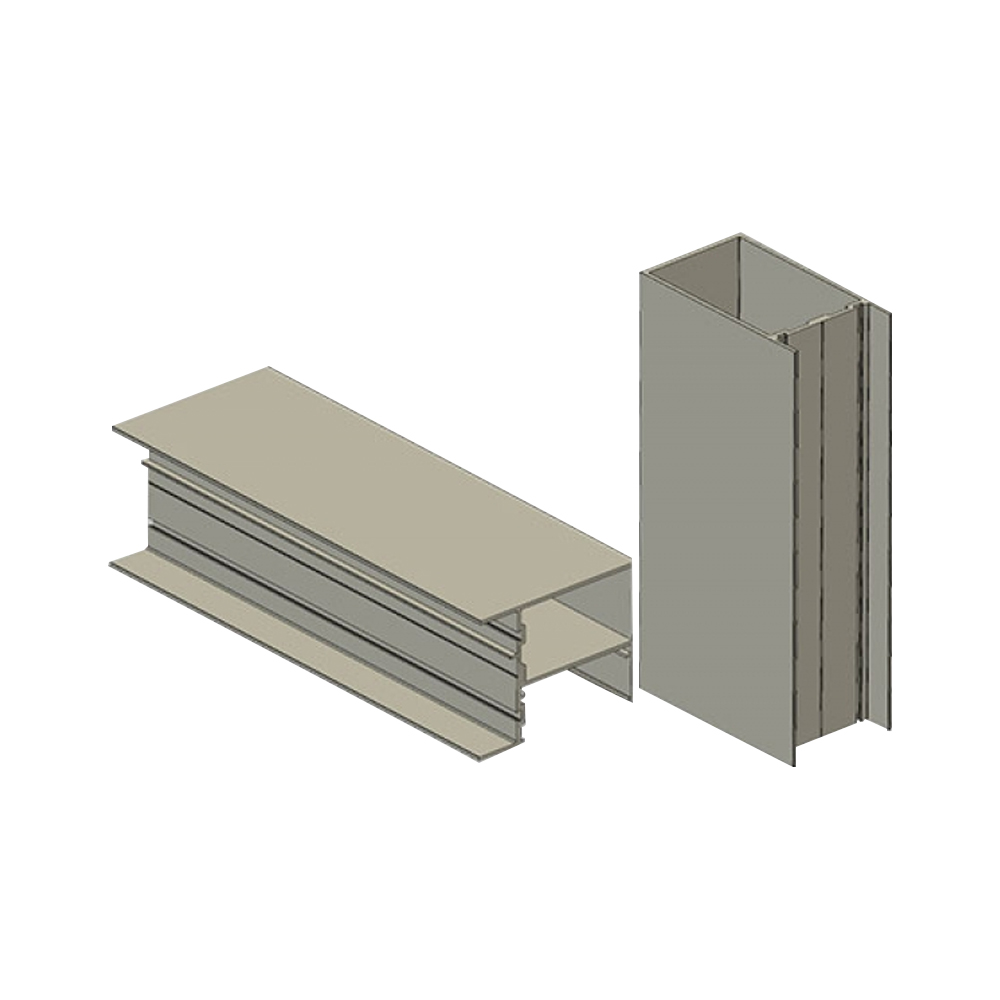
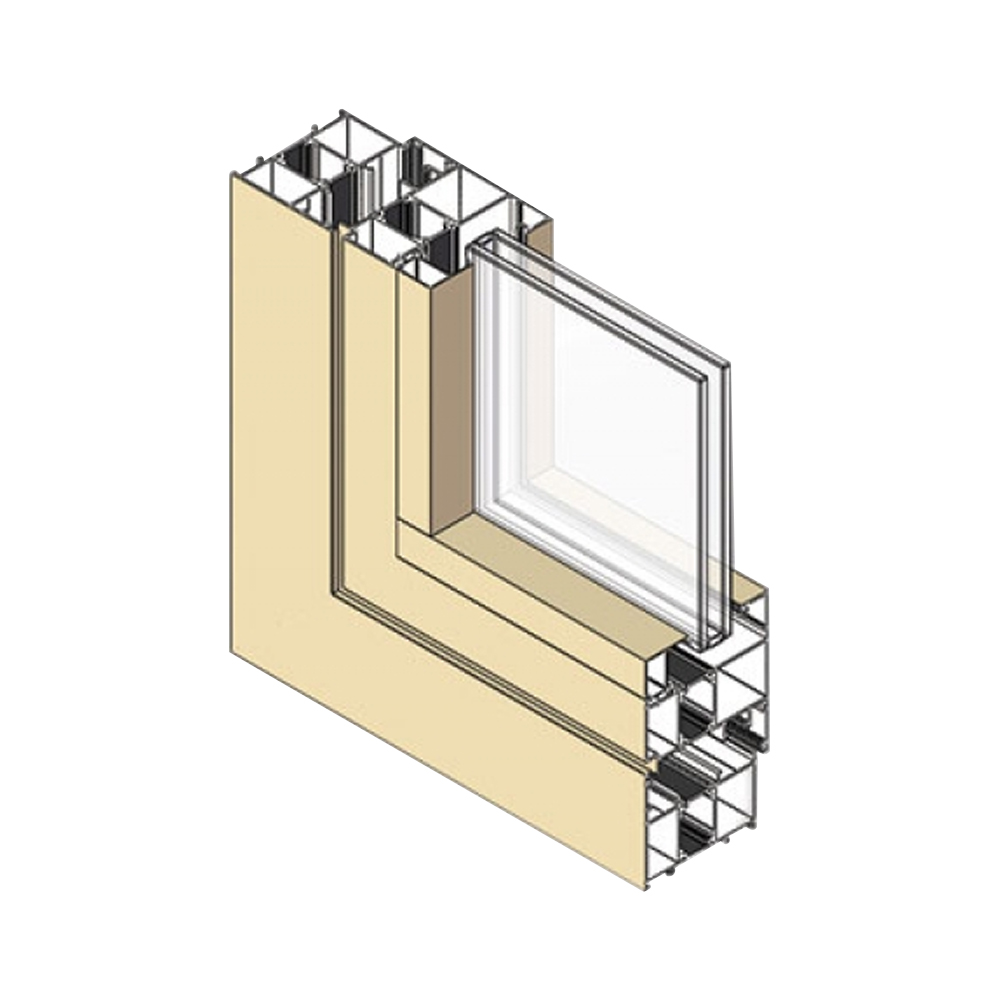
Scaffold aluminum profiles are not merely static beams; they are engineered systems designed for modularity. The extrusion process allows for complex cross-sectional geometries that integrate locking mechanisms, connection points, and reinforcement ribs directly into the profile. This design philosophy enables seamless integration with various scaffolding components, such as decks, braces, and couplers.
Adaptability to Complex Architectures
Modern architectural designs often feature irregular shapes and curved surfaces. Aluminum profiles can be custom-extruded to meet these specific geometric requirements, ensuring that scaffolding structures can conform to unique building facades without compromising stability. This adaptability is crucial for maintenance work on historic buildings or complex industrial structures.
- Custom extrusion dies allow for precise dimensional tolerance.
- Integrated channels facilitate easy attachment of safety nets and signage.
- Modular connectors enable rapid reconfiguration for different project phases.
Durability and Lifecycle Cost Efficiency
While the initial investment in aluminum scaffolding may be higher than traditional steel, the lifecycle cost is often lower due to reduced maintenance and longer service life. Aluminum naturally forms a protective oxide layer when exposed to air, which prevents rust and corrosion. This characteristic is particularly valuable in harsh environments, such as coastal areas or chemical plants, where moisture and corrosive agents are prevalent.
Maintenance Requirements
Unlike steel, which requires regular painting or galvanizing to prevent degradation, scaffold aluminum profiles require minimal upkeep. Routine cleaning with mild detergents is usually sufficient to maintain their structural integrity and aesthetic appearance. This low-maintenance profile reduces downtime and operational costs over the lifespan of the equipment.
- Inspect profiles for physical damage or excessive wear after each use.
- Clean with water and non-abrasive cleaners to remove dirt and debris.
- Store in a dry, covered area to prevent accumulation of moisture.
- Check locking mechanisms and connectors for smooth operation.
Conclusion: The Future of Access Solutions
Scaffold aluminum profiles are redefining standards in construction access by offering a blend of safety, efficiency, and durability. Their lightweight nature facilitates quicker assembly, while their corrosion resistance ensures longevity in challenging environments. As the construction industry continues to prioritize sustainability and operational efficiency, aluminum scaffolding systems will remain a cornerstone of modern industrial design and practical engineering.