English
 日本語
日本語 한국어
한국어
Home / Blog / Indusrty News / Aluminium Section Guide: Shapes, Alloys, Tolerances and Supplier Checks
Indusrty News
A window fabricator once rejected 1.8 tonnes of aluminium section because the outer frame wall measured 1.08 mm against a drawing callout of 1.2 mm. The alloy was correct, the anodising was even, the price was competitive, and the batch still failed incoming inspection. An aluminium section is judged against the drawing, not against the description.
An aluminium section, also called an aluminium profile or extrusion, is a length of aluminium pushed hot through a steel die until it takes a fixed cross-section: solid, hollow or semi-hollow. Sizes range from a 10 mm window bead to a 400 mm battery pack frame. When two suppliers quote the same profile at prices that differ by 20 percent, they are almost never quoting the same thing. Alloy, temper, wall thickness tolerance, straightness, surface finish and packaging all move the number.
Core conclusion: lock down alloy, temper, wall thickness and dimensional tolerance before you negotiate price. On a typical industrial order those four variables decide whether the part assembles on the line, while price per kilogram only decides who wins the purchase order. A quote issued without asking for your tolerance class is not comparable with the next one, and comparing the two will cost more than the difference.
Content
Most quality problems in extruded sections are created in the first 48 hours of production, long before anyone discusses anodising or packing.
Die cost is where small orders hurt. A simple hollow die for a 40 mm window frame may cost a few hundred US dollars, while a large semi-hollow die for a battery pack frame with a tight tolerance band can run into several thousand, usually amortised across the first order. This is why a fully custom section is rarely economical below one to two tonnes, and why buyers with repeat programmes should confirm who owns the die.
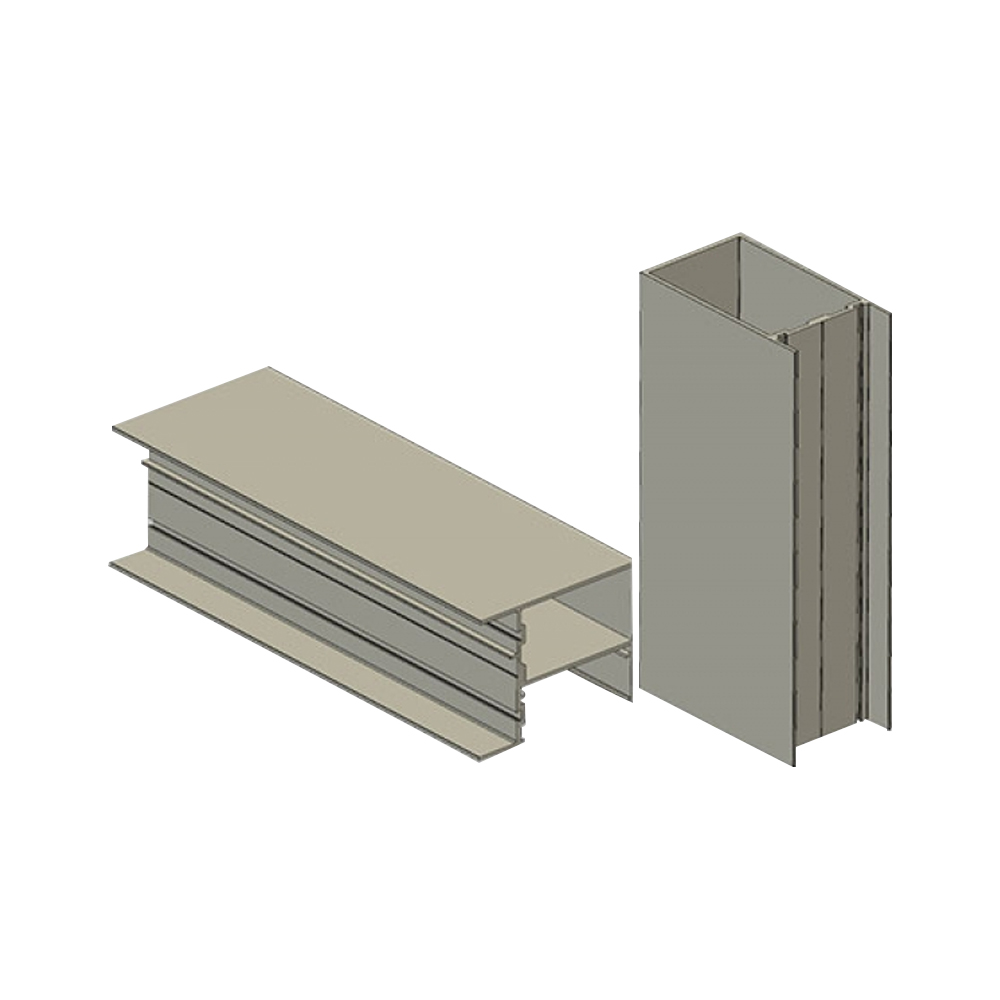 Aluminium Extrusion Profiles and Custom ServicesExplore extruded aluminium profiles, alloys, surface treatments, and custom die services for architecture, automotive, industrial and energy applications.View Product →
Alloy choice sets the ceiling on strength, corrosion resistance and weldability. Temper sets how much of that strength you actually receive.
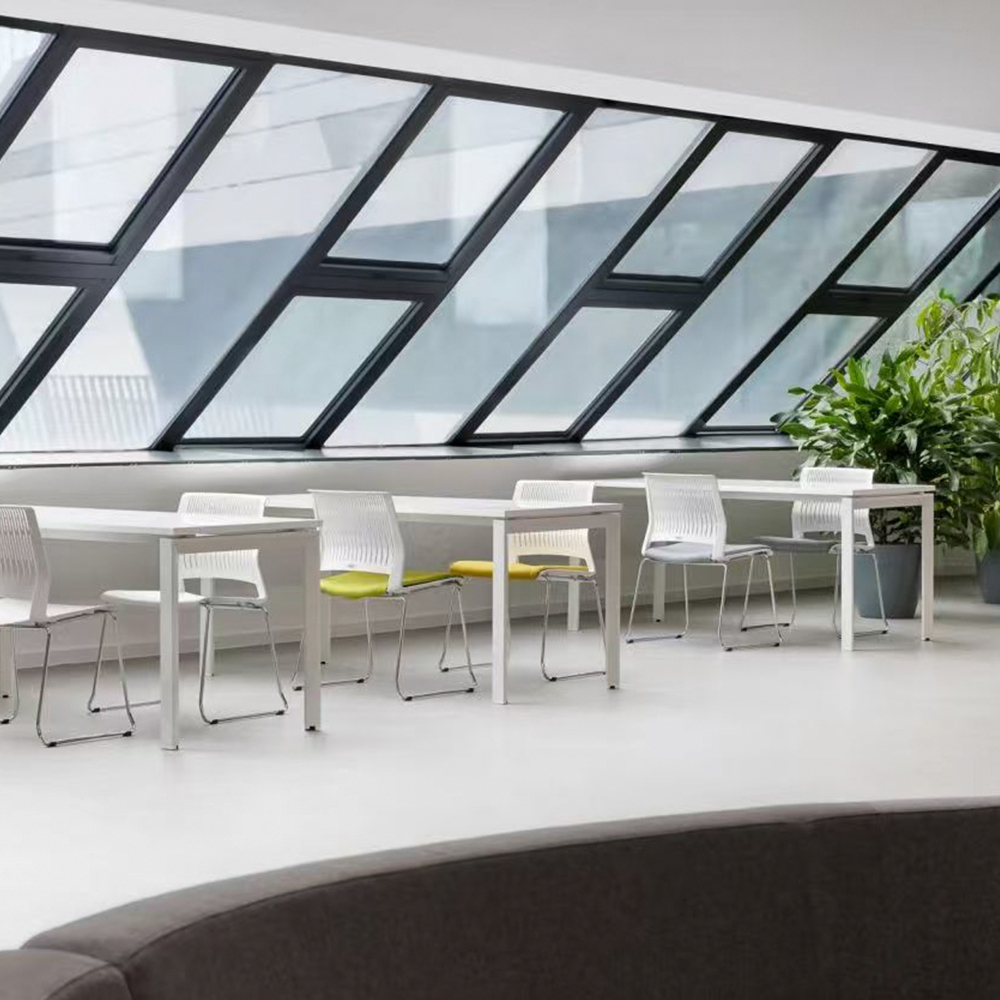
Yield strength around 170 MPa. The default for architectural and light industrial work, with excellent anodising response and easy extrusion into thin, complex walls. Windows, doors, handrails, trim and heat sinks.
Yield strength around 260 MPa, weldable and tougher than 6063. It dominates transport and photovoltaic racking, where sections are joined on site and the joint must survive movement.
Yield strength around 275 MPa with good machining behaviour. Structural brackets, machine frames and heat sinks with thick bases. Less forgiving in complex hollow dies.
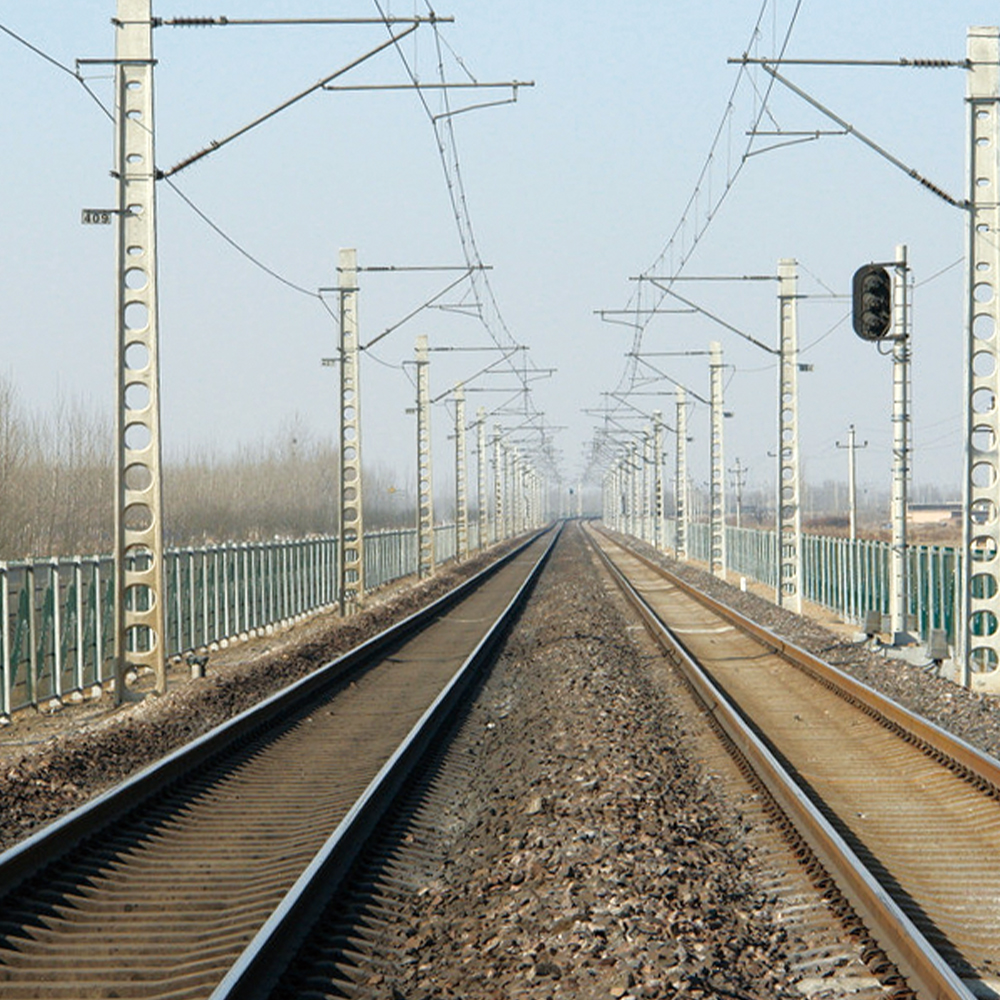
Yield strength around 310 MPa, the strongest of the common 6xxx family. Used for rail, heavy machinery and load-bearing structures, but harder to extrude and harder to bend.
Temper matters as much as alloy. T5 means cooled and artificially aged without additional cold work. T6 adds a solution treatment step and delivers higher strength with slightly lower ductility. A drawing that says "6063" without a temper is incomplete, and a supplier who accepts it will ship whatever is easiest to produce that week.
For a side-by-side view of how strength, shape and surface finish trade off against each other, this comparison of aluminium extrusion profiles is a practical reference before you finalise a drawing.
The sections below account for most industrial purchasing volume. The risk column is where disputes usually start.
Note: tolerance bands are commonly stated against EN 755-3 or GB/T 6892. The entries in the risk column are the points most often raised in incoming inspection reports.
Die amortisation dominates a first order of two or three tonnes, then fades once the tooling has been paid for. After that, tolerance becomes the largest lever. Requesting plus or minus 0.05 mm on a decorative trim where plus or minus 0.15 mm would work can add roughly a quarter to the unit cost and buy nothing the customer will ever see. The reverse is also true: saving 0.1 mm of wall thickness to shave material cost is the fastest way to lose straightness on a long section.
 Custom Aluminum Extrusion Mold Design and ToolingView custom extrusion dies for complex geometries, tight tolerances and durable tooling that reduce machining, material waste and production costs.View Product →
These shares reflect typical extrusion consumption rather than any single factory's order book. The practical point is that construction still absorbs the largest volume, which is why architectural tolerances and coating quality drive so much of the conversation, while the fastest growth sits in transport and energy. Photovoltaic racking and battery enclosures demand weldable alloys and load calculations that a window profile never has to face, so the same extrusion line serves two very different specifications.
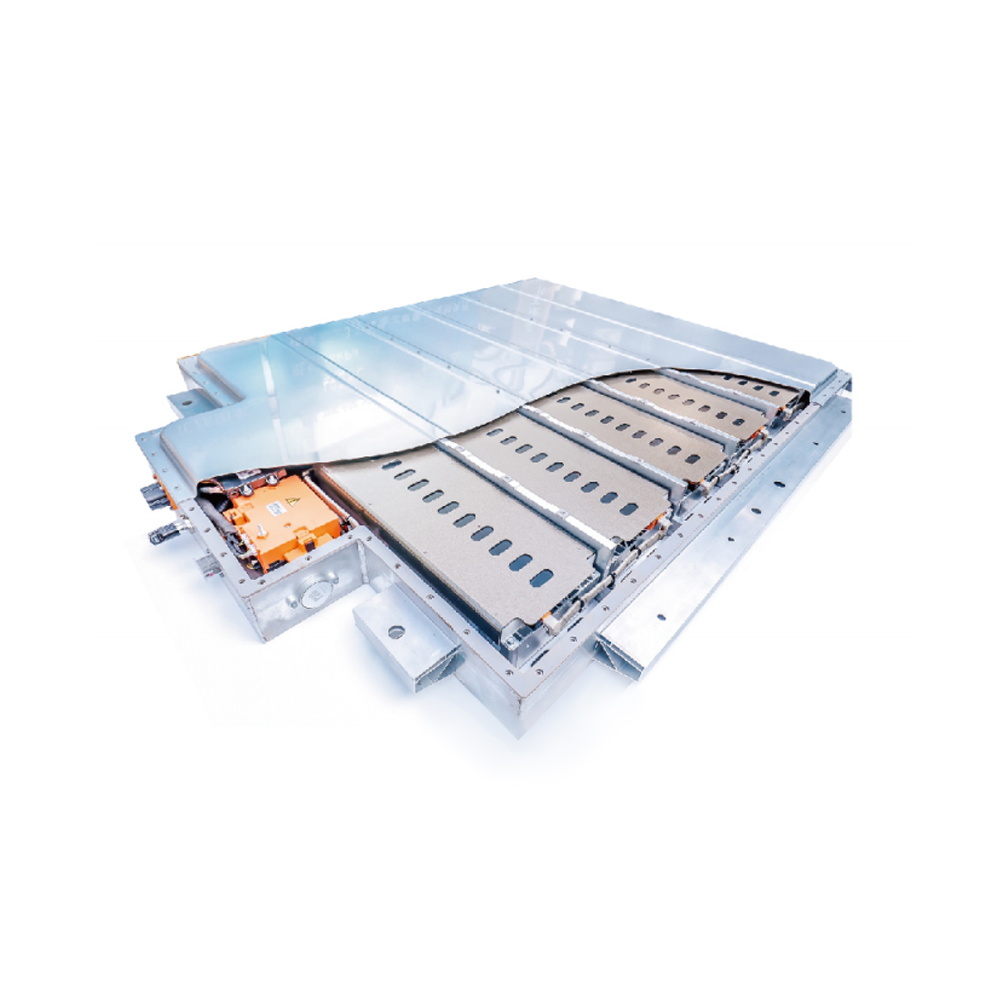
Requirements for new energy aluminium extrusions are usually written around load cases, weld joints and corrosion class, which is a useful reminder that the section shape is only half of the specification.
State the load, span, environment and joining method. A supplier who understands that a rail carries 60 kg per metre will propose a different wall thickness than one who is simply handed a sketch.
Alloy, temper, tolerance class, wall thickness range, straightness, twist, cut length and surface treatment. Missing any one of these shifts interpretation to the supplier.
Confirm who holds the die, how many tonnes trigger a refund of tooling cost, and what happens to the die if the programme ends after one order.
Measure wall thickness at both ends of the length, check twist on a flat surface, and test the coating thickness on the actual batch. Photographs hide exactly the deviations that matter.
Cutting, deburring, tapping, CNC machining and assembly are frequently farmed out. Suppliers who keep those steps in-house shorten the chain and remove a set of tolerance transfers between vendors. Precision machining of automotive and industrial parts is a good example of a capability worth verifying early.
 Industrial Automotive Parts Precision CNC Machining ServicesReview precision CNC machining for automotive and industrial parts, a deep-processing service relevant when tolerance transfers between vendors need to be reduced.View Product →
An aluminium section is a simple product sold into an unforgiving specification. The buyers who avoid rework are not the ones who negotiate the hardest on price per tonne; they are the ones who settle the alloy, temper, wall thickness and tolerance band first and then ask for a quote against that fixed definition. Every rejected batch traces back to one of those four numbers that was left vague on a drawing.

Copyright © 2025 Jiangyin Jianbang Aluminium Co., Ltd.
All Rights Reserved.
 Aluminum Extrusion Manufacturers
Aluminium Profile Suppliers
Aluminum Extrusion Manufacturers
Aluminium Profile Suppliers