English
 日本語
日本語 한국어
한국어
Home / Blog / Indusrty News / Aluminium Profiles Selection Guide: Alloys, Tolerances, and Cost Control
Indusrty News
A fabrication manager receives a revised drawing on Monday: the aluminium profile is 0.4 mm thinner, the anodized finish is changed from clear to black, and the mounting holes move 2 mm. The supplier quotes the same piece price, yet the first production run fails the fit check. The root cause is not the extrusion press; it is an incomplete specification.
The fastest way to avoid that loop is to treat aluminium profiles as a procurement system. Define alloy and temper, cross-section geometry, dimensional tolerance, surface treatment, machining allowance, and inspection method before the die is cut. If any one of those variables is left to standard practice, the buyer absorbs the risk later.
Content
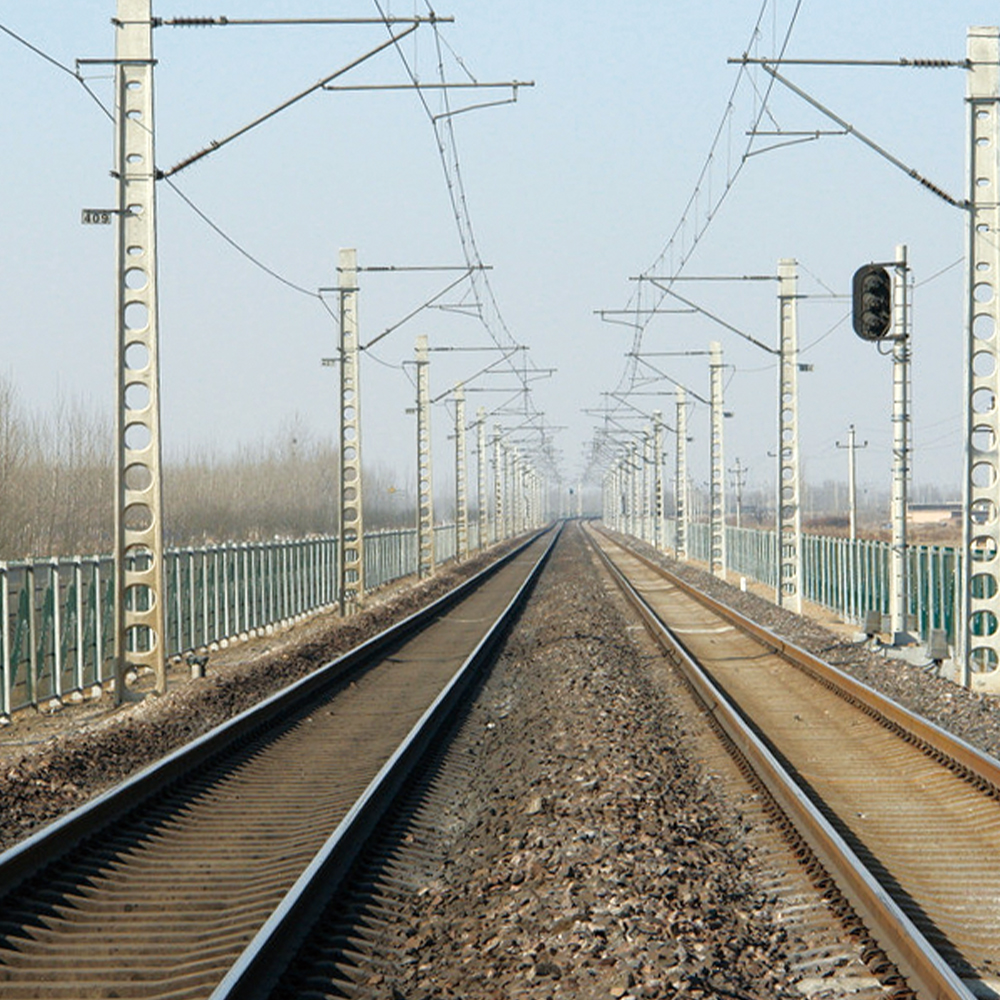
Specify alloy and temper, cross-section, wall thickness, tolerance class, surface treatment, machining allowance, and inspection method in one document. For many projects, 6063-T5 is sufficient for architectural and heat-sink profiles; 6061-T6 is the safer choice for structural or machined parts; 6005A-T6 is common where automotive or rail strength and extrusion quality matter. The die, quench, aging, and finishing steps must all be quoted against those choices.
Extrusion starts with a heated billet pushed through a shaped die. The profile is then quenched, stretched, cut, and artificially aged. Each step influences final geometry and mechanical properties. A buyer who only compares price per kilogram may miss the variables that create scrap, delayed assembly, or field failures.
6063-T5 offers good extrudability and corrosion resistance. 6061-T6 adds strength for structural brackets and machined components. 6005A-T6 balances strength and extrusion quality for transport applications.
Wall thickness, corner radius, hollow chambers, and tongue ratio determine metal flow. A die that is cheap to cut may cost more in correction, scrap, and slow extrusion speed.
Cooling rate affects hardness and dimensional stability. If aging is treated as a black box, machining later can reveal distortion that was invisible at the extruder.
Anodizing, powder coating, brushing, and CNC drilling all add tolerance stack. Define the datum and masking areas before finishing, not after the first sample arrives.
For engineers comparing strength, shape, and surface finish, comparing strength, shape, and surface finish is not a cosmetic exercise; it sets die design, quenching, and anodizing parameters.
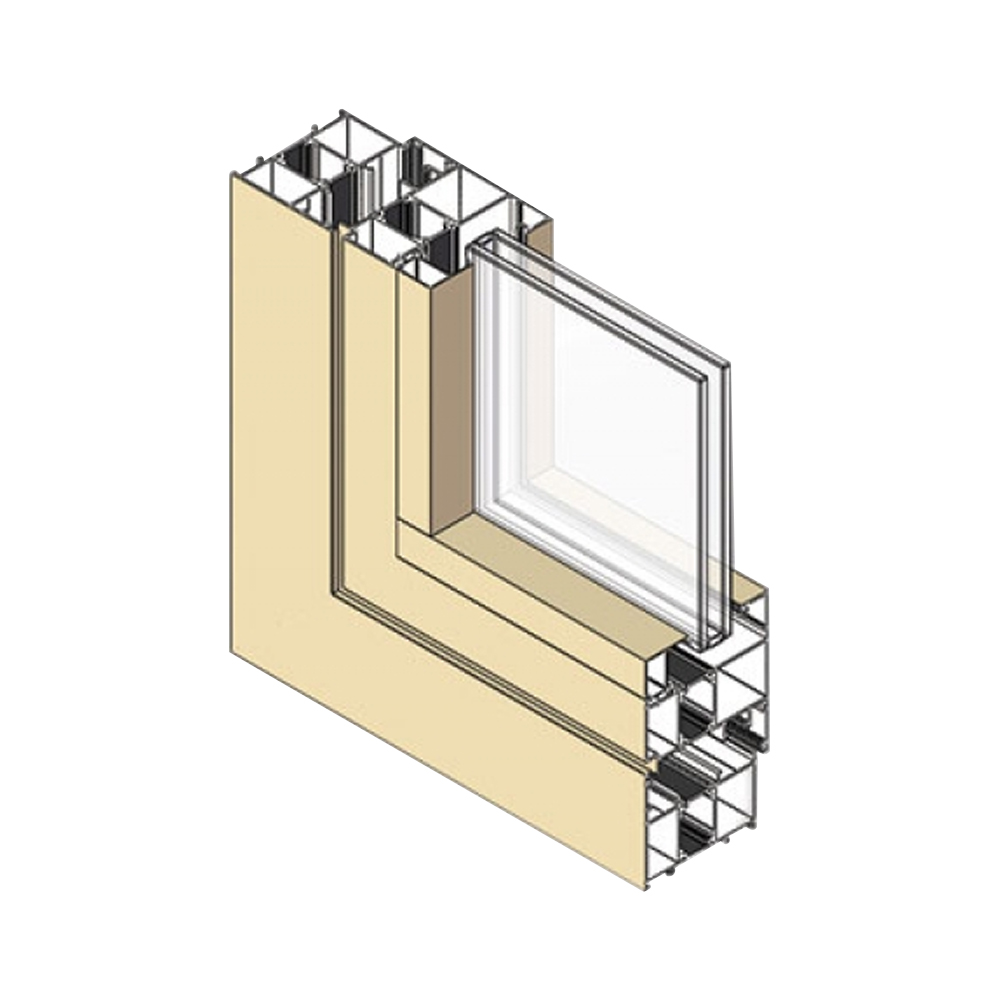
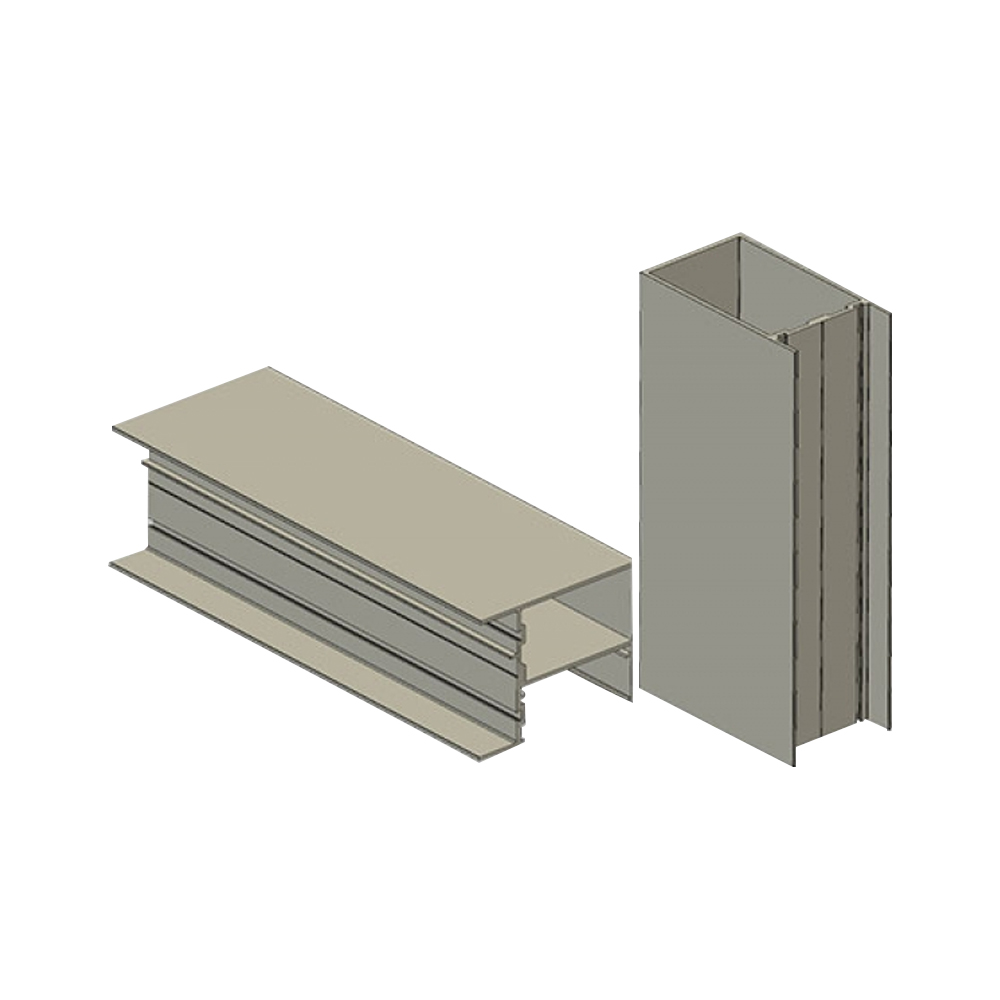 Aluminum Extrusion Profiles for Architecture, Industry, Automotive, and EnergyExplore extruded aluminum profiles grouped by construction, industrial, automotive, new energy, surface treatment, CNC machining, and assembly applications.View Product →
Use the comparison below as a starting point, not as a substitute for project-specific testing. Actual values depend on die design, wall thickness, supplier capability, and post-processing.
Buyers often monitor extrusion speed but ignore die correction, billet quality, and surface treatment batching. These hidden stages decide whether a project ships on time or waits through another trial.
A supplier with an in-house die shop can close the correction loop faster. That single capability often removes more calendar days than a marginal increase in press tonnage.
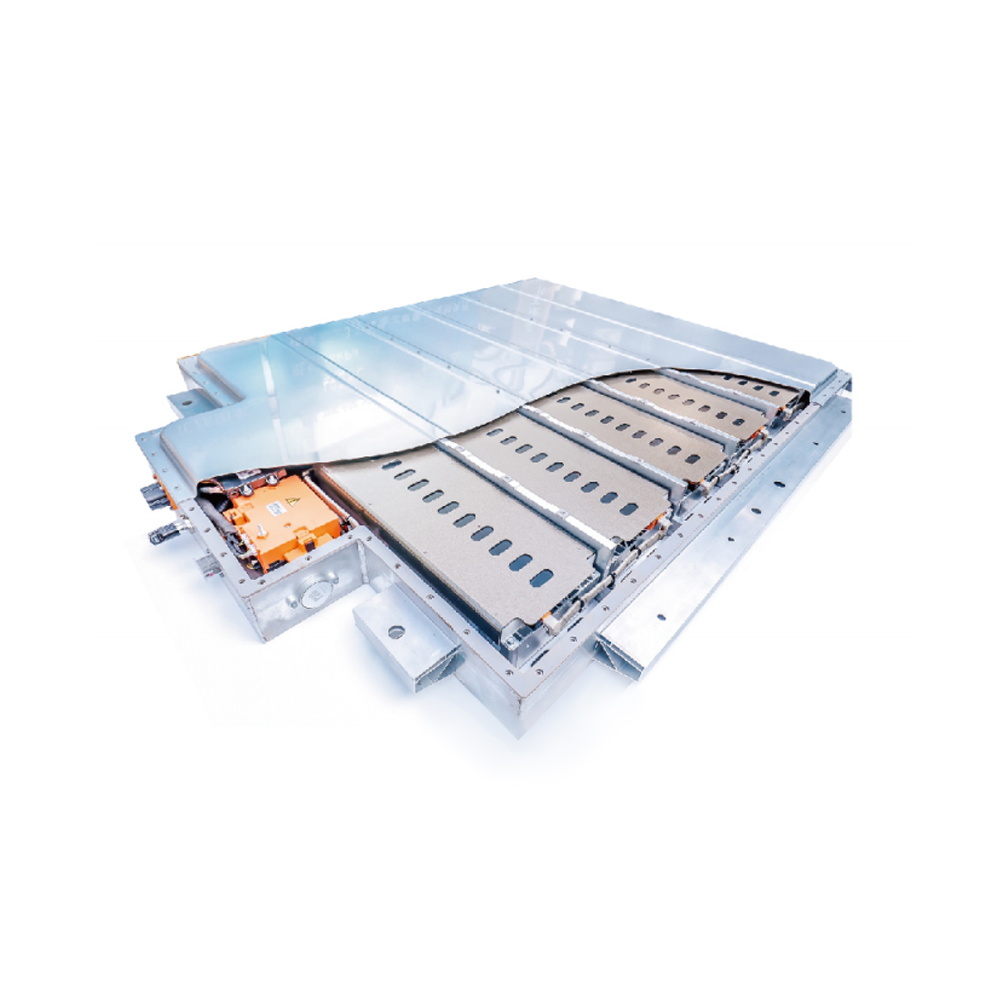
For energy storage battery packs and photovoltaic mounting brackets, the profile must balance strength, heat management, corrosion resistance, and assembly tolerance. The new energy aluminium extrusions portfolio is usually specified with tighter flatness and surface requirements than standard architectural profiles.
 New Energy Aluminum Extrusions for Solar and Battery StorageCompare photovoltaic mounting brackets and energy storage battery pack profiles designed for durability, thermal management, corrosion resistance, and renewable energy assembly.View Product →
The lowest initial quote rarely produces the best return. Calculate ROI across die amortization, scrap rate, finishing yield, machining rework, and assembly labor. A profile that costs more per meter can still lower total cost if it arrives straight, dimensionally stable, and ready for the fixture.
Confirm static load, fatigue, impact, temperature, and corrosion exposure before choosing alloy and wall thickness.
Set the datum, hole positions, machining allowance, and assembly clearance with the extrusion cross-section.
Review metal flow simulation or die layout, expected extrusion speed, and correction plan before cutting steel.
Measure profile, straightness, twist, hardness, coating thickness, and machining fit against a signed checklist.
Track billet batch, die life, aging cycle, anodizing batch, and CNC tool wear as production variables.
Use scrap rate, first-pass yield, and on-time delivery to decide whether to repeat the order or rework the specification.
When CNC drilling, milling, tapping, and sub-assembly are included, the ROI case becomes stronger if one supplier controls the extrusion datum and the machining fixture. That avoids the common mismatch between a straight profile and a finished part that will not sit flat.
 Precision CNC Machining for Industrial Automotive PartsReview CNC drilling, milling, tapping, and sub-assembly services for automotive components requiring tight tolerances, repeatable fit, and coordinated extrusion-to-machining quality.View Product →
Compliance is not a certificate hanging in the lobby. It is the ability to reproduce the same alloy, temper, tolerance, and finish on the tenth order. Ask how the supplier links extrusion records to finishing batches and machining programs.
Based on its public profile, Jiangyin Jianbang Aluminium’s integrated extrusion operations illustrate the type of supply chain that reduces risk for B2B buyers. The Mu Xiang group company traces its aluminium experience to 1995, operates about 200,000 square meters, and reports a planned annual capacity of 120,000 tonnes, 21 extrusion lines, an in-house die shop, and one-stop custom development and production. Its stated application fields include new energy vehicles, energy storage, photovoltaic frame supports, rail transit, machinery, and construction.
For a buyer, the practical question is not whether a supplier has a large press. It is whether the supplier can hold the same alloy, temper, tolerance, surface finish, and machining datum from prototype through mass production. Ask for a first-article inspection report, die layout, aging record, anodizing thickness check, and corrective-action history. If the supplier also offers CNC machining and assembly, confirm how the extrusion datum is transferred to the machining fixture.
Aluminium profiles are commodity-looking products, but they carry engineering decisions that affect fit, durability, and total cost. A clear specification and a supplier with die, extrusion, finishing, and machining control under one roof will usually outperform a low quote that leaves those decisions to chance.

Copyright © 2025 Jiangyin Jianbang Aluminium Co., Ltd.
All Rights Reserved.
 Aluminum Extrusion Manufacturers
Aluminium Profile Suppliers
Aluminum Extrusion Manufacturers
Aluminium Profile Suppliers