English
 日本語
日本語 한국어
한국어Indusrty News
Content
- 1 What Aluminum Fence Profiles Actually Are and Why the Differences Matter
- 2 Aluminum Fence Cost: What You Are Actually Paying For
- 3 Choosing the Right Aluminum Fence for Your Property
- 4 Aluminum Fence Installation: Step-by-Step Process and Key Decisions
- 5 Long-Term Performance: Why Aluminum Outpaces the Alternatives
What Aluminum Fence Profiles Actually Are and Why the Differences Matter
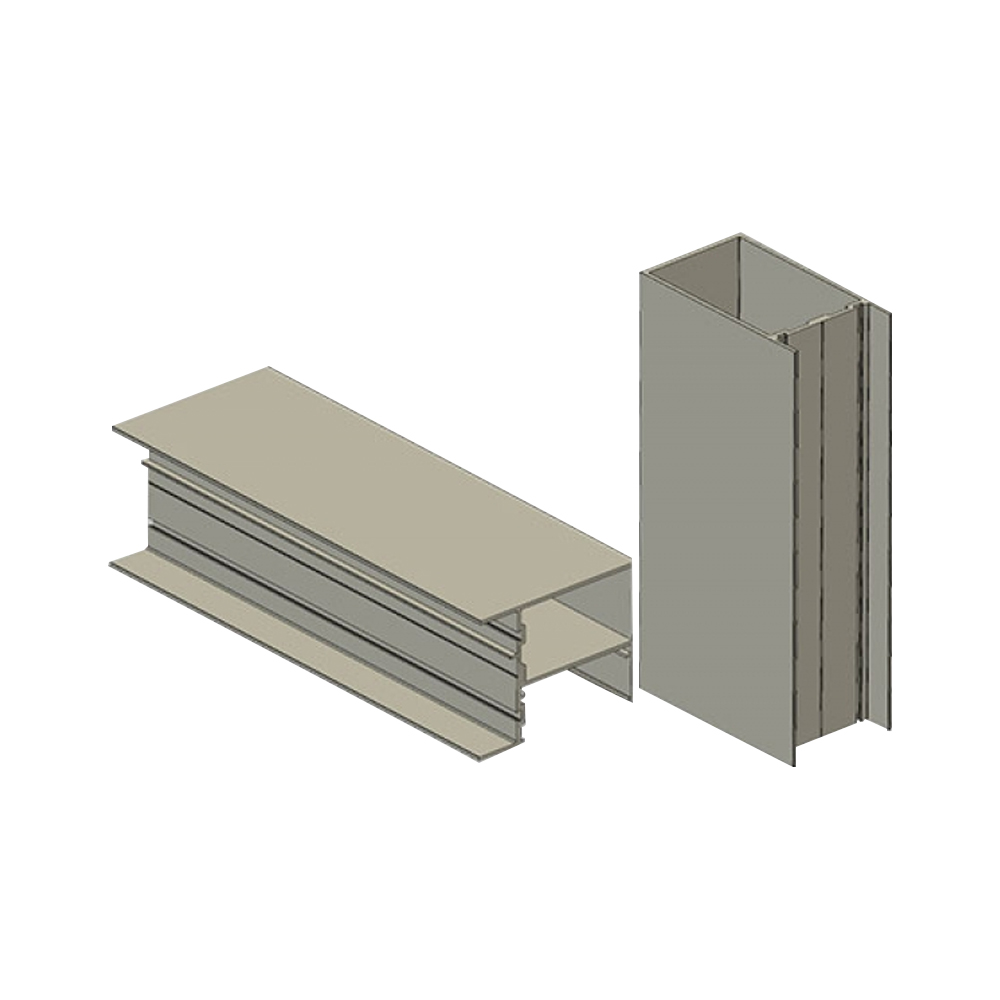
An aluminum fence profile refers to the cross-sectional shape and construction method of the aluminum extrusion used to form rails, pickets, and posts. This is not a cosmetic distinction — the profile directly determines how the fence distributes load, resists impact, and holds up under prolonged exposure to wind, moisture, and temperature cycling. Two fences that look identical from a distance can perform entirely differently in the field depending on the wall thickness of their profiles and how those sections interlock.
Most aluminum fence profiles fall into three structural grades: residential, commercial, and industrial. Residential profiles typically use pickets with a wall thickness of around 0.050 inches and rails measuring 1-inch by 1.5 inches. Commercial-grade aluminum fence profiles step up to heavier pickets and 1.25-inch by 2.5-inch rails, making them suitable for higher-traffic environments, schools, and municipal installations. Industrial profiles go further still, with reinforced post dimensions and thicker extrusions engineered for perimeter security applications. Choosing the wrong grade — most commonly installing residential profiles in a commercial context — leads to premature deformation at the joints and post bases within a few years.
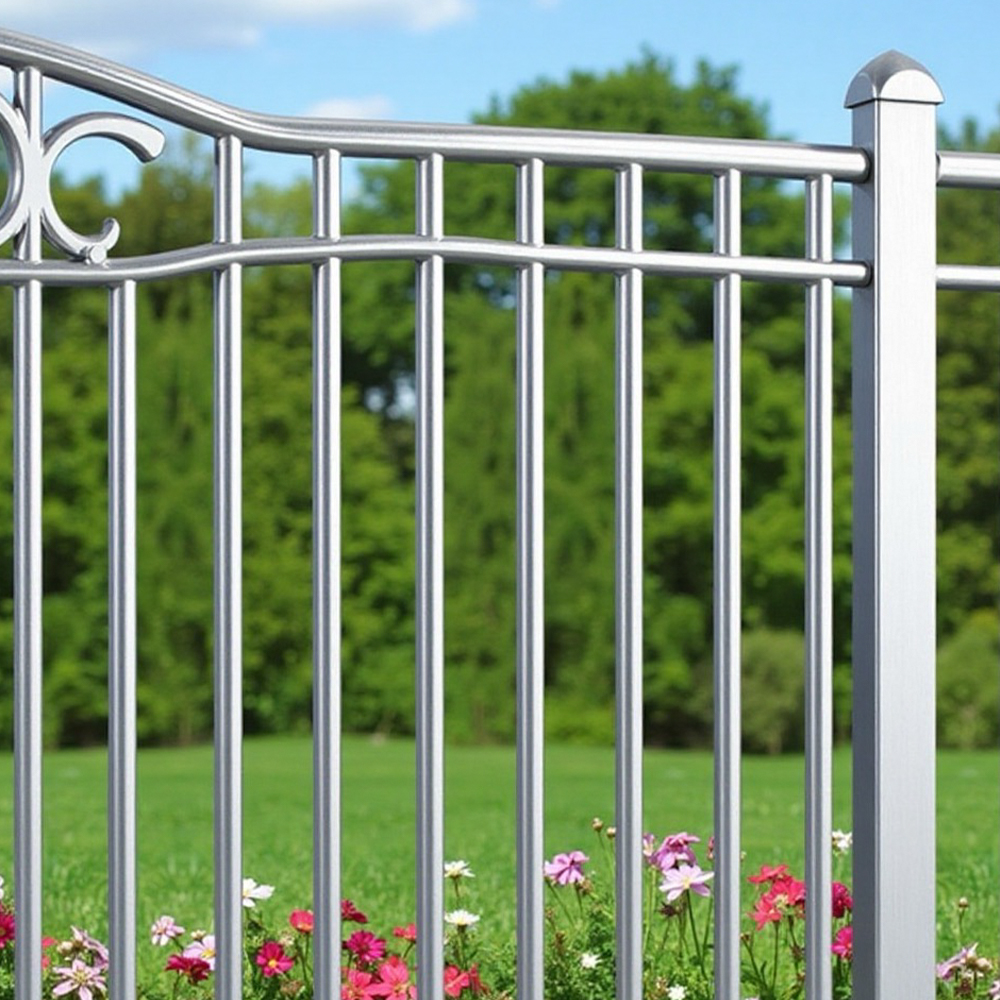
Beyond grade, profiles vary in picket shape. Flat-top profiles present a clean, contemporary silhouette suited to modern architecture. Spear-point and finial-topped profiles draw from traditional wrought iron aesthetics, adding a formal appearance without the rust risk. Flush-bottom rail profiles that fully enclose the picket ends prevent moisture from pooling inside the hollow sections, extending service life especially in climates with high rainfall or freeze-thaw cycles.

Aluminum Fence Cost: What You Are Actually Paying For
Aluminum fence cost is one of the most searched topics in fencing, and also one of the most misquoted. The commonly cited range of $25 to $60 per linear foot installed is accurate as a general bracket, but it obscures the variables that actually determine your final invoice. Understanding the cost breakdown prevents budget overruns and helps you evaluate contractor quotes accurately.
| Cost Component | Residential Grade | Commercial Grade | Key Variable |
|---|---|---|---|
| Materials (panels + posts) | $10–$20 / linear ft | $18–$35 / linear ft | Profile wall thickness, grade |
| Labor (installation) | $8–$15 / linear ft | $12–$20 / linear ft | Terrain, post spacing |
| Gate (single walk gate) | $150–$300 each | $250–$600 each | Width, hardware type |
| Permits | $50–$200 | $100–$400 | Local jurisdiction |
| Sloped terrain surcharge | +10–20% | +15–25% | Racking vs stepping method |
The powder coating finish also affects aluminum fence cost in ways that are easy to overlook. Standard colors — black, bronze, white — are stocked by most manufacturers and carry no surcharge. Custom RAL colors require a minimum order quantity and a coating setup fee that can add $3 to $6 per linear foot. For small projects, this can push a custom-color fence significantly above budget expectations. If the color selection is flexible, choosing from standard options delivers the same corrosion protection and durability at a lower per-unit cost.
Compared to wood, the long-term aluminum fence cost picture is considerably more favorable. A wood privacy fence installed at a similar price point will require staining or sealing every two to three years at an ongoing cost of $1 to $3 per linear foot per maintenance cycle. Over a 20-year period, a well-maintained aluminum fence typically costs 30 to 40 percent less in total ownership cost than pressure-treated wood of equivalent length.
Choosing the Right Aluminum Fence for Your Property
Selecting an aluminum fence involves matching profile specifications to the physical demands of your site. The three primary selection factors are height, picket spacing, and post gauge — and each one interacts with the others in ways that affect both structural performance and compliance with local building codes.
Height and Application
Standard aluminum fence panels are available in heights of 36 inches, 48 inches, 54 inches, and 60 inches, with 72-inch panels available in commercial and industrial grades. Residential boundary fences most commonly use 48-inch panels, which meet minimum height requirements in most U.S. municipalities for general property delineation. Pool enclosures are subject to stricter requirements — the International Swimming Pool and Spa Code mandates a minimum barrier height of 48 inches with no more than 4 inches of clearance at the bottom, and picket spacing must not allow a 4-inch sphere to pass through. Aluminum fence profiles designed specifically for pool compliance are available from most manufacturers and simplify the permitting process significantly.
Post Gauge and Spacing
Post gauge is the most overlooked specification when homeowners compare aluminum fence quotes. A residential post may measure 2 inches by 2 inches with a 0.060-inch wall, while a commercial post of identical exterior dimension might have a 0.100-inch wall — nearly double the material. Post spacing is equally important: standard panels span 6 feet between posts, but on exposed sites with regular wind loads above 90 mph, reducing spacing to 4 feet and upgrading to a heavier post gauge is a straightforward way to increase system rigidity without switching to a different profile line entirely.
Aluminum Fence Installation: Step-by-Step Process and Key Decisions
Aluminum fence installation is more accessible to experienced DIYers than steel or masonry fencing, primarily because the panels are lightweight and the assembly uses a pin-and-insert system that requires no welding. A typical residential aluminum fence installation proceeds in a defined sequence, and deviating from it — particularly by skipping the layout and utility marking phase — is the most common source of costly rework.
- Mark utilities before digging: Call 811 (USA) or the local equivalent at least 72 hours before post hole excavation. Aluminum fence posts are set 24 to 36 inches deep depending on frost line depth in your region — deep enough to intersect buried utilities if the layout is not verified first.
- Establish layout with string line: Stretch a string line between corner and end-post positions before digging any holes. This single step prevents the cumulative alignment errors that cause panels to arrive out of square at gate openings.
- Set corner and end posts first: Pour concrete around corner and terminal posts and allow full cure — typically 24 to 48 hours — before proceeding. Using wet concrete as a shortcut and immediately loading the post with panel weight before cure causes post lean that is difficult to correct without removing and re-pouring.
- Install line posts and panels progressively: Work from one end toward the gate opening. Insert the panel rail ends into the post brackets, confirm level, then fasten. Most aluminum fence profiles use stainless steel set screws or concealed fasteners — avoid substituting with standard zinc screws, which can react with the aluminum oxide surface and seize within two seasons.
- Handle slope with racking or stepped panels: Aluminum fence panels can be racked — where the entire panel tilts to follow the slope — up to approximately 1 inch of rise per foot of run. Steeper slopes require stepped installation, where each panel drops incrementally. Stepped aluminum fence installation leaves a triangular gap at ground level that may need to be addressed with infill pickets or gravel if animal containment is required.
- Hang and adjust gates last: Gates should always be installed after all line panels are set, as the gate opening dimension must be measured from the actual installed post positions rather than the planned layout. Most aluminum fence gate frames include slotted hinge holes that allow vertical and horizontal adjustment after hanging — use this adjustment range to achieve a gap of 3/8 inch on the hinge side and 1/4 inch at the latch before final tightening.
For DIY aluminum fence installation, budget approximately 1 to 1.5 hours of labor per 6-foot panel on flat ground, including post setting and concrete work. Sloped sites, rocky soil, or installations requiring racking adjustments add 20 to 40 percent to that time estimate. Professional contractors typically work faster through volume efficiency, but the labor rate differential means DIY installation on a straightforward 150-linear-foot project can save $1,200 to $2,000 compared to a fully installed professional quote.
Long-Term Performance: Why Aluminum Outpaces the Alternatives
The durability case for aluminum fence rests on material science rather than marketing. Aluminum alloys used in fence extrusions — typically 6063-T5 — form a passive aluminum oxide layer when exposed to air. This layer is self-repairing: if the surface is scratched, the oxide reforms within hours, preventing the progressive corrosion that makes bare steel fencing an ongoing maintenance liability. In coastal environments where salt spray accelerates rust on uncoated steel, aluminum fence profiles with a quality powder coat finish typically show no corrosion degradation over a 20 to 30-year service life.
Thermal performance is another practical advantage. Aluminum expands at a rate of approximately 0.0000131 inches per inch per degree Fahrenheit. For a 6-foot panel across a 100°F seasonal temperature swing, that translates to less than 0.1 inches of movement — well within the tolerance of standard bracket connections. This means aluminum fence installations in climates with extreme temperature variation, from desert heat to northern winters, do not develop the joint loosening or panel warping that affects vinyl fencing at similar temperature extremes.
Annual maintenance for aluminum fence amounts to a single wash with mild soap and water to remove surface deposits, plus an inspection of gate hardware and post base concrete for cracking. Touch-up paint matched to the original powder coat color is available from most manufacturers for addressing impact chips. This minimal upkeep profile, combined with the structural longevity of quality aluminum fence profiles, makes aluminum one of the most cost-effective fencing investments available to residential and commercial property owners today.