English
 日本語
日本語 한국어
한국어
Home / Blog / Indusrty News / How Aluminium Extrusions Are Powering the Future of Solar Energy Systems?
Indusrty News
Content
The global shift toward renewable energy has placed unprecedented demand on the materials that hold these systems together. From rooftop solar arrays to utility-scale battery storage facilities, the structural and thermal components must perform reliably across decades — not just years. Aluminium extrusions have emerged as the material of choice across this sector, displacing heavier alternatives like galvanized steel and fiberglass in mounting, enclosure, and heat management applications alike.
What makes aluminum uniquely suited to energy infrastructure is the combination of properties no other widely available material replicates: a strength-to-weight ratio that rivals structural steel at roughly one-third the mass, native corrosion resistance from a self-forming oxide layer, and a thermal conductivity of approximately 205 W/m·K that makes it invaluable in heat dissipation applications. When these characteristics are shaped through precision extrusion, engineers gain the ability to design complex cross-sectional profiles that a flat sheet or cast component simply cannot achieve.
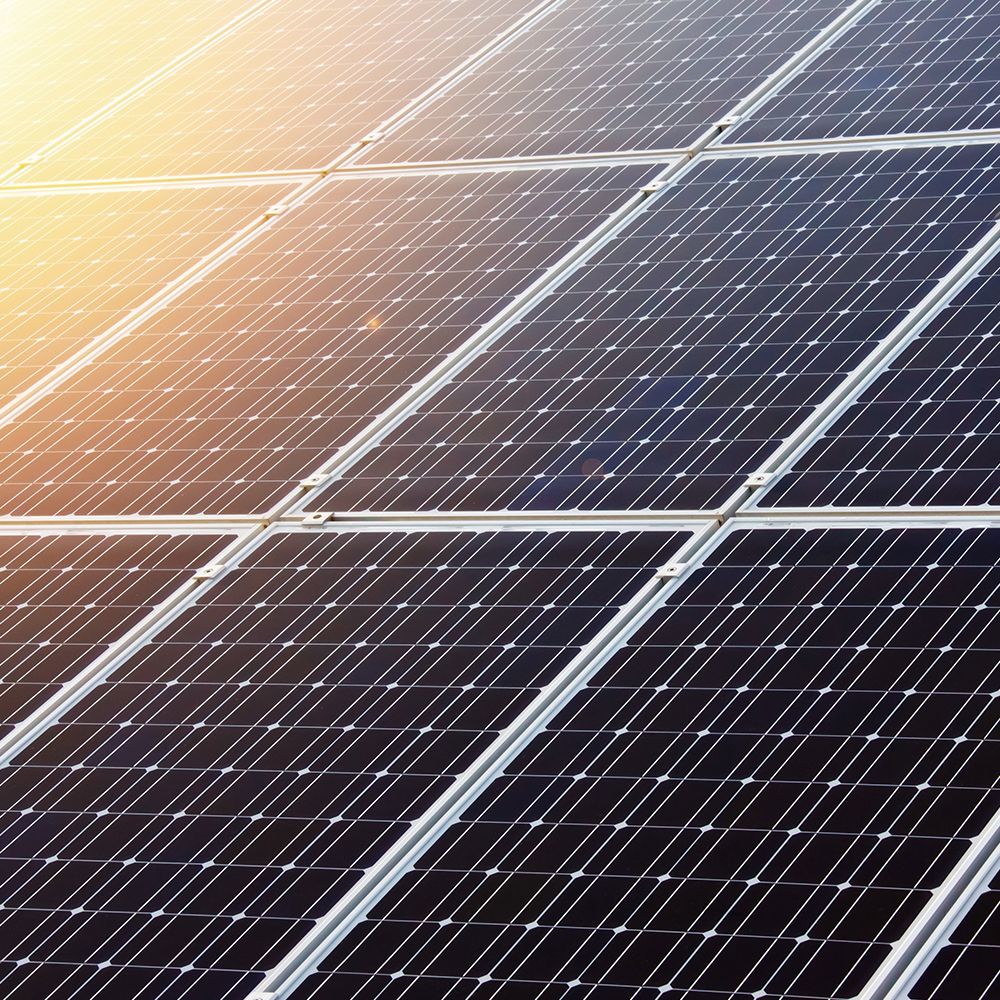
Photovoltaic installations face a relentless combination of environmental stressors: sustained wind loads that can exceed 2.4 kPa in coastal regions, thermal cycling between −40°C and +85°C that expands and contracts mounting hardware daily, UV exposure, salt mist in marine environments, and the slow but persistent pressure of snow accumulation in northern climates. New Energy Aluminum Extrusions Profiles designed for solar applications are engineered from the outset to absorb and distribute these forces without fatigue failure or permanent deformation.
The most commonly specified alloy for solar mounting profiles is 6063-T5, which offers a tensile strength of approximately 185 MPa alongside excellent extrudability — meaning the alloy flows cleanly through complex die geometries without cracking or surface defects. Where higher structural loads are anticipated, such as ground-mount systems in high-wind zones, 6061-T6 provides tensile strength closer to 310 MPa while remaining fully compatible with standard anodizing and powder coating processes.
From a project economics perspective, these advantages translate directly into measurable savings. A rooftop commercial installation using aluminum rail systems typically completes 20–30% faster than a comparable steel-frame installation, largely because lighter components require fewer workers for overhead positioning and the pre-engineered clip systems eliminate on-site fabrication. Over a 25-year panel warranty period, the absence of rust remediation and repainting represents a further lifecycle cost reduction that steel mounting simply cannot match.
Battery energy storage systems — whether lithium iron phosphate (LFP) wall-mounted units for residential use or large-format NMC packs for grid-scale applications — share a common vulnerability: heat. Lithium-ion cells operate optimally between 15°C and 35°C. Below this range, internal resistance rises and capacity drops; above it, degradation accelerates and, in extreme cases, thermal runaway becomes a risk. The enclosure and structural profiles surrounding battery modules are therefore not merely protective housings — they are active participants in thermal regulation.
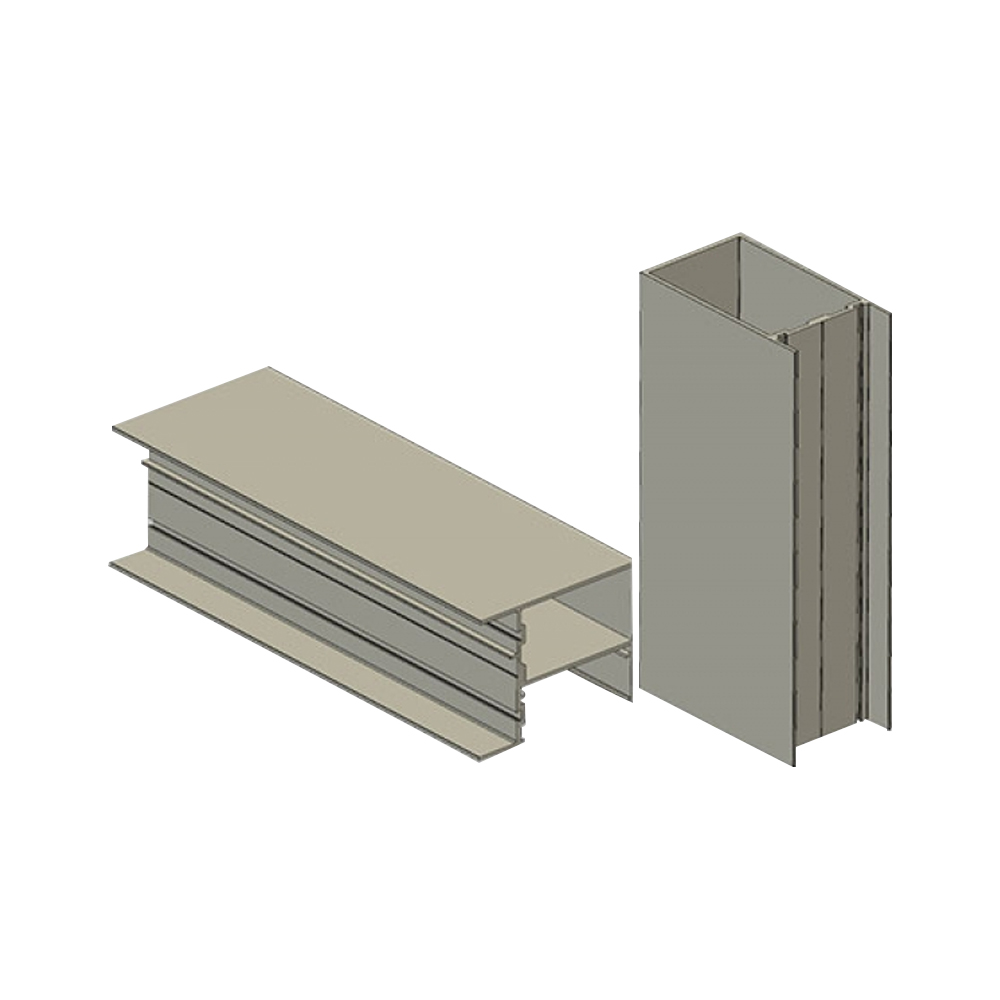
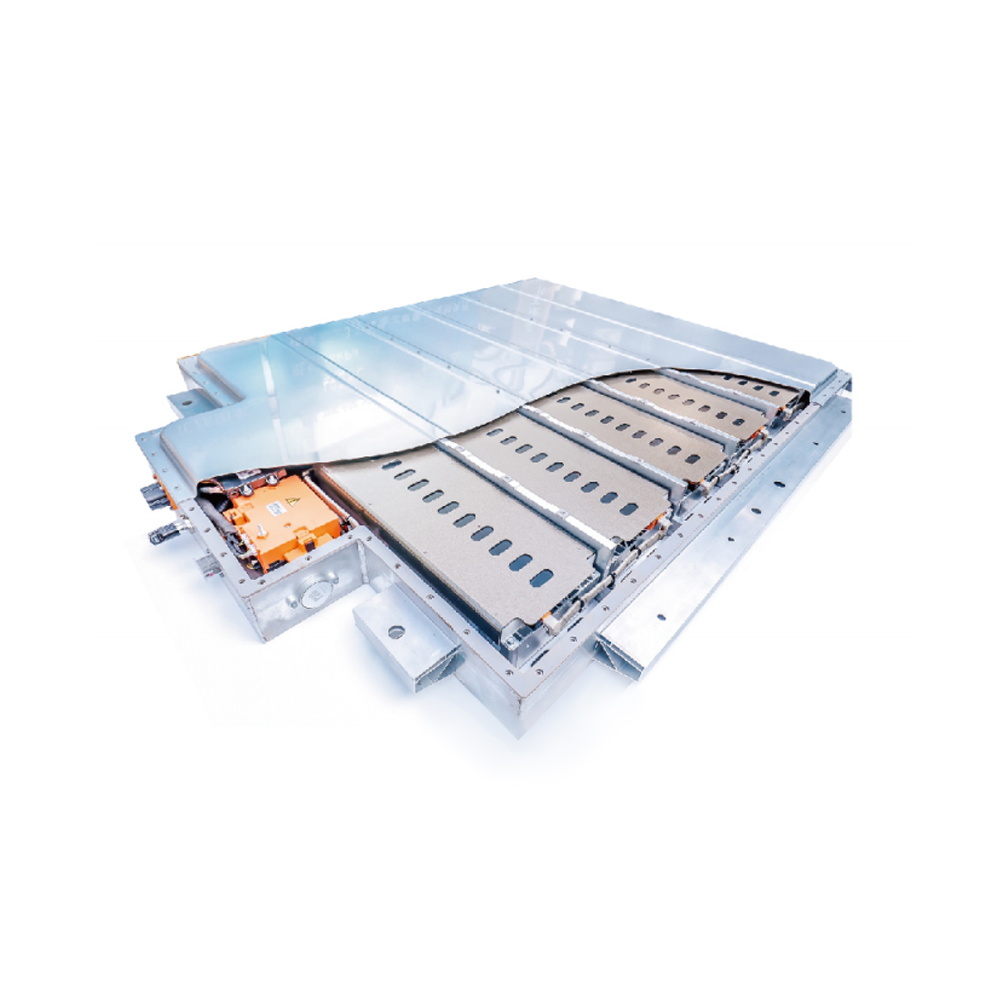
Aluminium extrusions for energy storage battery packs address this challenge through two mechanisms simultaneously. First, the high thermal conductivity of aluminum — roughly eight times that of stainless steel — draws heat away from cell surfaces and distributes it across the enclosure structure, preventing localized hot spots. Second, extrusion geometry enables the integration of liquid cooling channels directly within the profile wall, eliminating the need for adhesive-bonded cooling plates and the delamination risk they introduce over thermal cycles.
| Property | Aluminium Extrusion | Stainless Steel | Engineering Plastic |
|---|---|---|---|
| Thermal Conductivity (W/m·K) | ~205 | ~16 | 0.2–0.5 |
| Weight (relative) | Low | High | Very Low |
| Corrosion Resistance | Excellent | Good | Excellent |
| Integrated Channel Design | Yes (extrusion) | Limited (welded) | No |
| Recyclability | ~95% recoverable | ~90% recoverable | Varies widely |
The structural dimension of battery enclosures is equally important. Module-level aluminum frames must maintain tight dimensional tolerances through thousands of charge-discharge thermal cycles, because any loosening of the cell stack compression leads to increased internal resistance and capacity fade. Extruded profiles with precisely controlled wall thickness — typically ±0.1 mm in precision-grade production — provide the consistent clamping force that welded or formed sheet metal enclosures cannot reliably sustain long-term.
The environmental case for aluminum in renewable energy infrastructure extends well beyond the carbon savings generated by the solar or storage systems it supports. Aluminum is among the most recyclable industrial materials on earth: recycling requires only about 5% of the energy consumed in primary production, and the metal retains its full mechanical properties through repeated recycling cycles — an attribute that plastics and composite materials cannot claim. For energy developers operating under ESG reporting requirements or national green procurement standards, specifying recycled-content aluminum extrusions can contribute meaningfully to embodied carbon targets.
Advanced extrusion techniques further reduce waste at the manufacturing stage. Near-net-shape extrusion produces profiles whose cross-sectional geometry closely matches the final application, minimizing the machining stock that would otherwise become scrap. Combined with closed-loop scrap recovery within the extrusion plant, leading manufacturers achieve material utilization rates above 98%, compared to 70–80% for CNC-machined components from billet.
Selecting the correct profile for a given application in solar energy systems or battery storage requires aligning mechanical requirements, thermal performance targets, finish specifications, and assembly methods before production begins. The most costly mistakes in renewable energy projects — misaligned mounting rails, inadequate heat dissipation leading to battery warranty claims, or corrosion failures in coastal installations — typically trace back to under-specified material selection rather than manufacturing defects.
Working with an extrusion supplier capable of producing custom cross-sections to project-specific tolerances, and who can provide certified mechanical property data and traceability documentation, eliminates the guesswork from material qualification. For large-scale deployments, this also opens the door to value-engineering the profile geometry itself — adjusting wall thickness distribution, adding stiffening ribs, or incorporating integrated wiring channels — to reduce per-unit material consumption without sacrificing load-bearing capacity.
The continued expansion of global renewable energy capacity — projected to add over 5,500 GW of new solar and storage installations through 2030 according to the International Energy Agency — guarantees that demand for high-performance aluminium extrusions will only intensify. Projects that specify materials to the full capability of modern extrusion technology today will be better positioned to meet performance, durability, and sustainability benchmarks as standards tighten in the years ahead.

Copyright © 2025 Jiangyin Jianbang Aluminium Co., Ltd.
All Rights Reserved.
 Aluminum Extrusion Manufacturers
Aluminium Profile Suppliers
Aluminum Extrusion Manufacturers
Aluminium Profile Suppliers