English
 日本語
日本語 한국어
한국어Indusrty News
Content
- 1 What Are Automotive Aluminum Extrusion Profiles
- 2 Why the Automotive Industry Relies on Aluminum Extrusion Profiles
- 3 Key Applications of Aluminum Extrusion Profiles in Modern Vehicles
- 4 Car Aluminum Pedals Profile: Precision Where It Matters Most
- 5 Comparing Aluminum Extrusion Profiles to Alternative Materials
- 6 Sustainability and the Future of Automotive Aluminum Extrusion
What Are Automotive Aluminum Extrusion Profiles
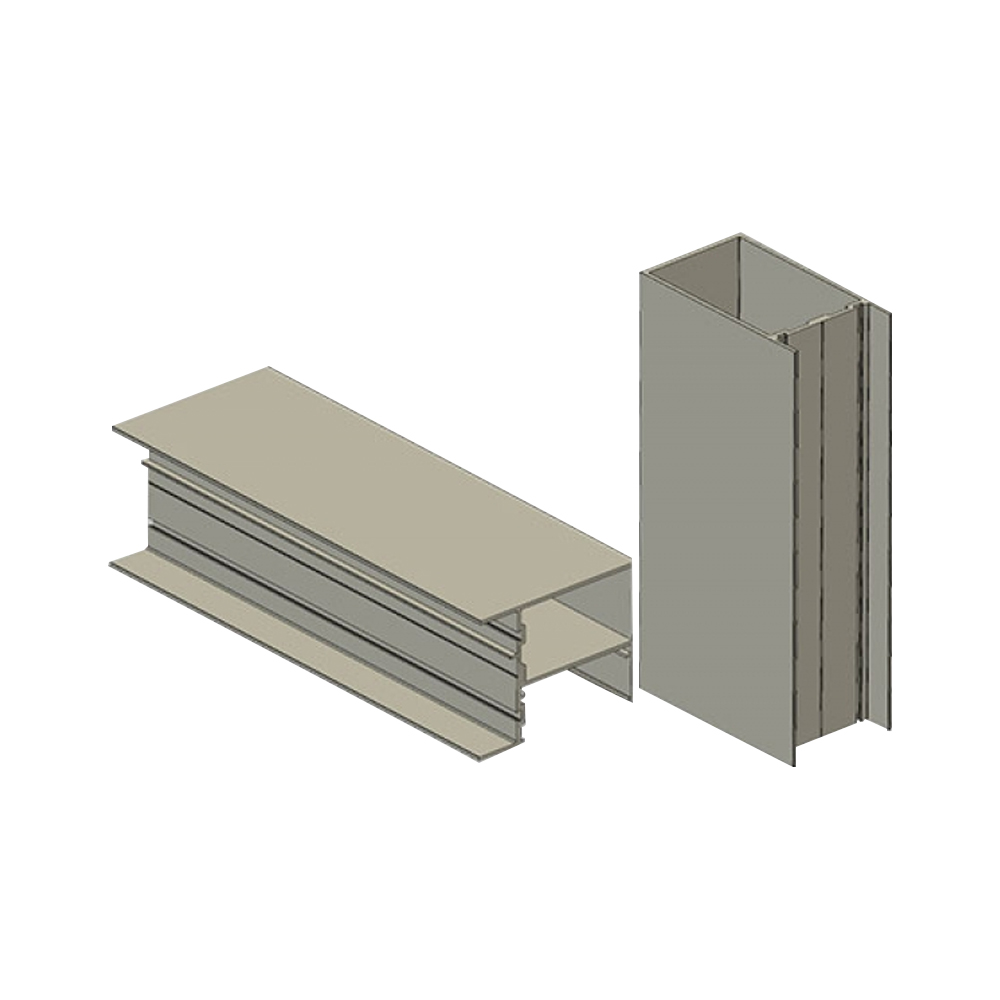
Automotive aluminum extrusion profiles are structural and functional components produced by forcing heated aluminum alloy billets through a shaped die to create continuous cross-sectional forms. The resulting profiles can take virtually any shape — hollow tubes, complex multi-chamber sections, or intricate open channels — making them extraordinarily versatile for vehicle applications. Once extruded, these profiles are cut to length, heat-treated for enhanced mechanical properties, and then machined or finished to meet precise engineering tolerances.
The alloys most commonly used in automotive applications include the 6000-series (such as 6061 and 6063) and 7000-series (such as 7075), each offering distinct trade-offs between formability, strength, and corrosion resistance. The 6063 alloy, for example, is widely favored for its excellent surface finish and good mechanical strength after aging, making it a go-to choice for visible interior and exterior trim profiles. The 7075 alloy, on the other hand, delivers near-steel tensile strength and is increasingly used in structural crash management systems and suspension components where maximum load-bearing performance is critical.
Why the Automotive Industry Relies on Aluminum Extrusion Profiles
The shift toward aluminum extrusion profiles in vehicle manufacturing is driven by measurable engineering and commercial benefits. Aluminum weighs approximately one-third as much as steel, yet when correctly alloyed and heat-treated, it can match or exceed the specific strength requirements of many automotive applications. This weight reduction translates directly into better acceleration, improved braking distances, and — most critically in today's regulatory environment — lower CO₂ emissions per kilometer.
Beyond weight, extruded aluminum profiles offer design freedom that stamped steel simply cannot match. Engineers can integrate multiple functional features — mounting flanges, drainage channels, wiring conduits, and reinforcement ribs — into a single extruded cross-section, eliminating the need for multiple separate components and reducing assembly complexity. This consolidation lowers production costs, reduces the number of potential failure points, and shortens vehicle assembly time on the production line.
Aluminum also demonstrates outstanding natural corrosion resistance due to its self-forming oxide layer, which is particularly valuable for underbody structures, rocker panels, and other components exposed to moisture, road salt, and debris throughout a vehicle's service life. This inherent durability reduces long-term maintenance costs and extends component lifespan without the need for heavy protective coatings.
Key Applications of Aluminum Extrusion Profiles in Modern Vehicles
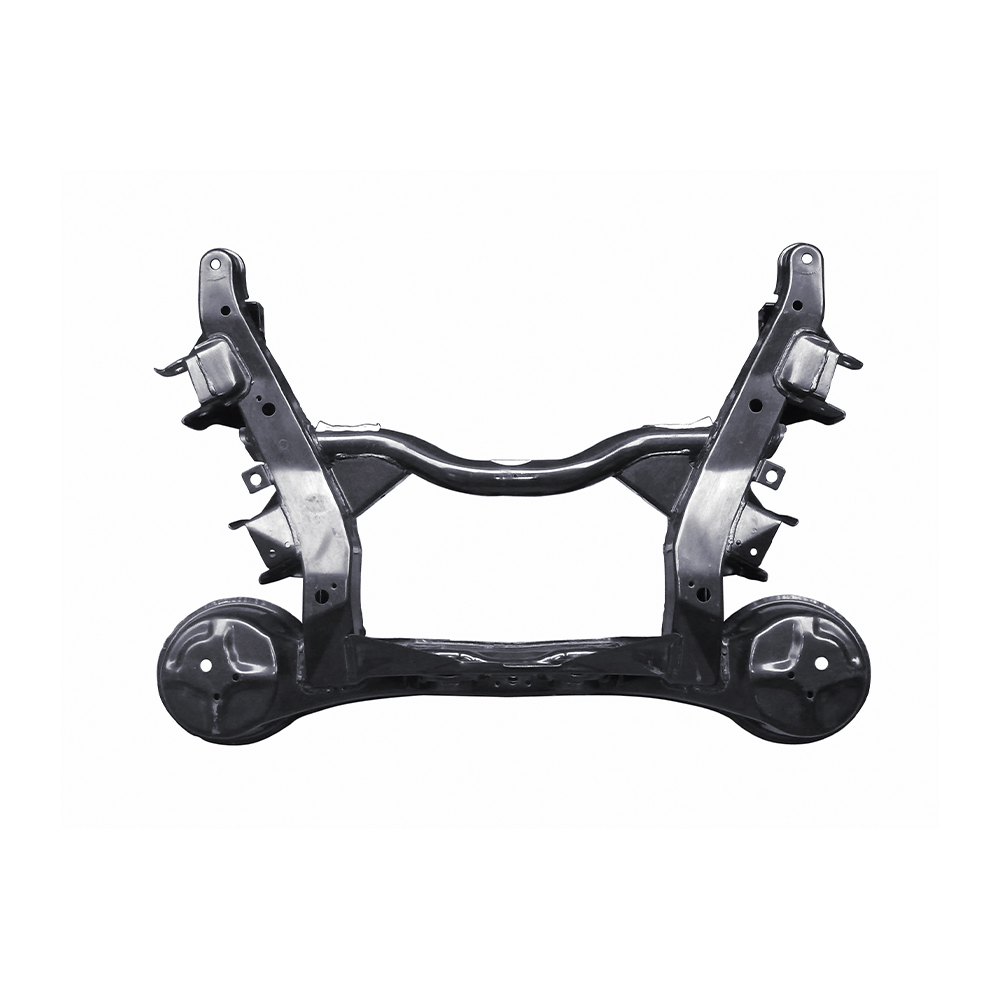
Aluminum extrusion profiles appear throughout the modern vehicle, from the body-in-white structure to interior trim elements. Their application range has expanded significantly as automakers pursue aggressive lightweighting targets to comply with global emissions standards and to extend the range of battery electric vehicles (BEVs). The following are among the most important current applications:
- Bumper beams and crash boxes: Multi-chamber extruded profiles absorb and redistribute impact energy during collisions, protecting passengers while minimizing structural damage to the main body
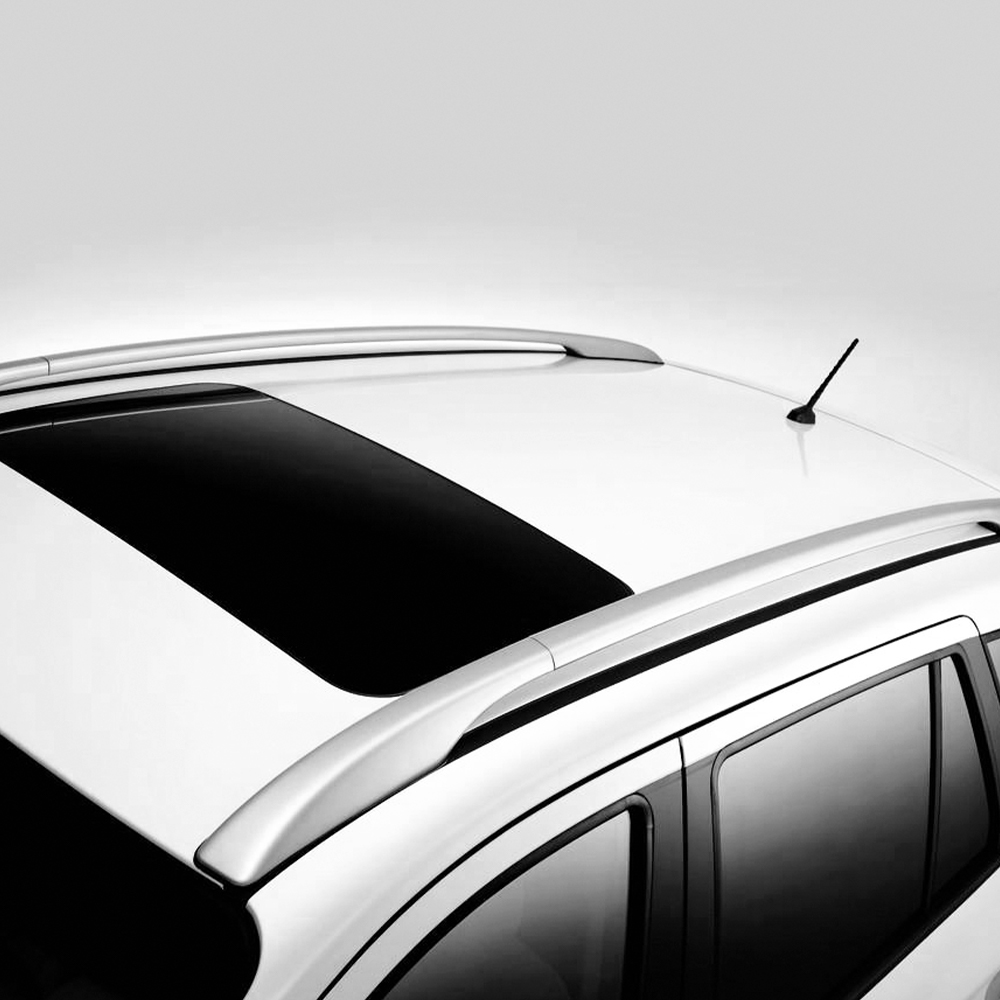
- Roof rails and side sill reinforcements: Long, precision-extruded sections form the backbone of the vehicle's upper and lower body structure, contributing to rollover protection and overall torsional rigidity
- Battery enclosures for EVs: Extruded aluminum profiles are used to construct the structural frames and cooling channel systems within battery packs, providing both mechanical protection and thermal management
- Seat frames and cross-car beams: Interior structural members benefit from the high strength-to-weight ratio of extruded aluminum, reducing unsprung and sprung mass simultaneously
- Door sill plates and threshold trims: Decorative and protective extruded profiles that combine aesthetic appeal with functional impact resistance at high-wear entry points
- Car aluminum pedals profile: Precision-extruded profiles used for brake, accelerator, and clutch pedal assemblies, delivering the strength and surface texture needed for safe, responsive driver control
Car Aluminum Pedals Profile: Precision Where It Matters Most
Among the many applications of automotive aluminum extrusion profiles, the car aluminum pedals profile deserves specific attention. Pedal assemblies are safety-critical components that must deliver consistent performance across extreme temperature ranges, high-cycle fatigue loading, and exposure to moisture and contaminants. Extruded aluminum meets all these demands while offering a significant weight advantage over traditional steel or cast iron pedal designs.
The extrusion process allows manufacturers to create pedal profiles with integrated non-slip surface textures, precise wall thicknesses for optimized stiffness-to-weight ratios, and complex internal geometries that route mechanical linkages or electronic sensors within the same cross-section. This level of integration is impossible to achieve with conventional stamped or cast manufacturing methods at comparable cost and volume.
Performance Characteristics of Aluminum Pedal Profiles
High-performance and premium vehicles increasingly specify anodized aluminum pedal profiles for both the driver's interface feel and their durability. Anodizing creates a hard, wear-resistant surface that maintains its appearance and grip characteristics across the full service life of the vehicle. For motorsport applications, 7000-series alloy pedal profiles provide the stiffness and strength needed to withstand the extreme pedal forces generated during competitive driving.
Comparing Aluminum Extrusion Profiles to Alternative Materials
Understanding why automotive manufacturers increasingly specify aluminum extrusion profiles requires a direct comparison with the materials they replace. The table below summarizes the key performance attributes across the most commonly used automotive structural materials:
| Property | Aluminum Extrusion | Steel Stamping | Carbon Fiber |
|---|---|---|---|
| Density (g/cm³) | 2.7 | 7.8 | 1.6 |
| Corrosion Resistance | Excellent | Poor (needs coating) | Good |
| Recyclability | High (95% energy saving) | High | Very Low |
| Design Complexity | Very High | Moderate | High |
| Cost at Scale | Moderate | Low | Very High |
This comparison illustrates why aluminum extrusion profiles occupy the optimal position for mass-market automotive production. Carbon fiber outperforms aluminum on weight but at a cost penalty that restricts its use to low-volume premium and motorsport applications. Steel remains cost-competitive at very high volumes but cannot match aluminum's weight savings or corrosion resistance. Aluminum extrusion profiles deliver the best overall value equation across performance, manufacturability, and end-of-life recyclability.
Sustainability and the Future of Automotive Aluminum Extrusion
Sustainability is now a core driver of material selection in the automotive industry, and automotive aluminum extrusion profiles are exceptionally well positioned to meet this demand. Aluminum is one of the most recyclable materials on earth — recycling aluminum requires only about 5% of the energy needed to produce primary aluminum from bauxite ore. This means that the aluminum used in a vehicle today can be recovered at end-of-life and re-entered into the production cycle with minimal energy input, dramatically reducing the lifecycle carbon footprint of aluminum-intensive vehicles.
For battery electric vehicles in particular, the use of aluminum extrusion profiles creates a compounding sustainability benefit. Lighter vehicle structures require smaller battery packs to achieve the same range, which reduces the use of energy-intensive battery materials such as lithium, cobalt, and nickel. This virtuous cycle — lighter structure, smaller battery, lower embodied carbon — positions aluminum extrusion profiles as a foundational technology in the transition to sustainable personal mobility.
Looking ahead, advances in aluminum alloy development, die design, and process simulation are pushing the boundaries of what extrusion technology can achieve. Ultra-high-strength alloys capable of replacing even advanced high-strength steels in crash structures, near-net-shape extrusions that minimize post-processing waste, and integrated multi-material assemblies combining aluminum profiles with composites or polymers are all active areas of development. As these innovations mature, aluminum extrusion profiles will deepen their role as the material of choice for the next generation of safe, efficient, and sustainable vehicles.