English
 日本語
日本語 한국어
한국어
Home / Blog / Indusrty News / Aluminum Fence Profiles for Residential Fencing: Alloy, Finish & Sourcing Guide
Indusrty News
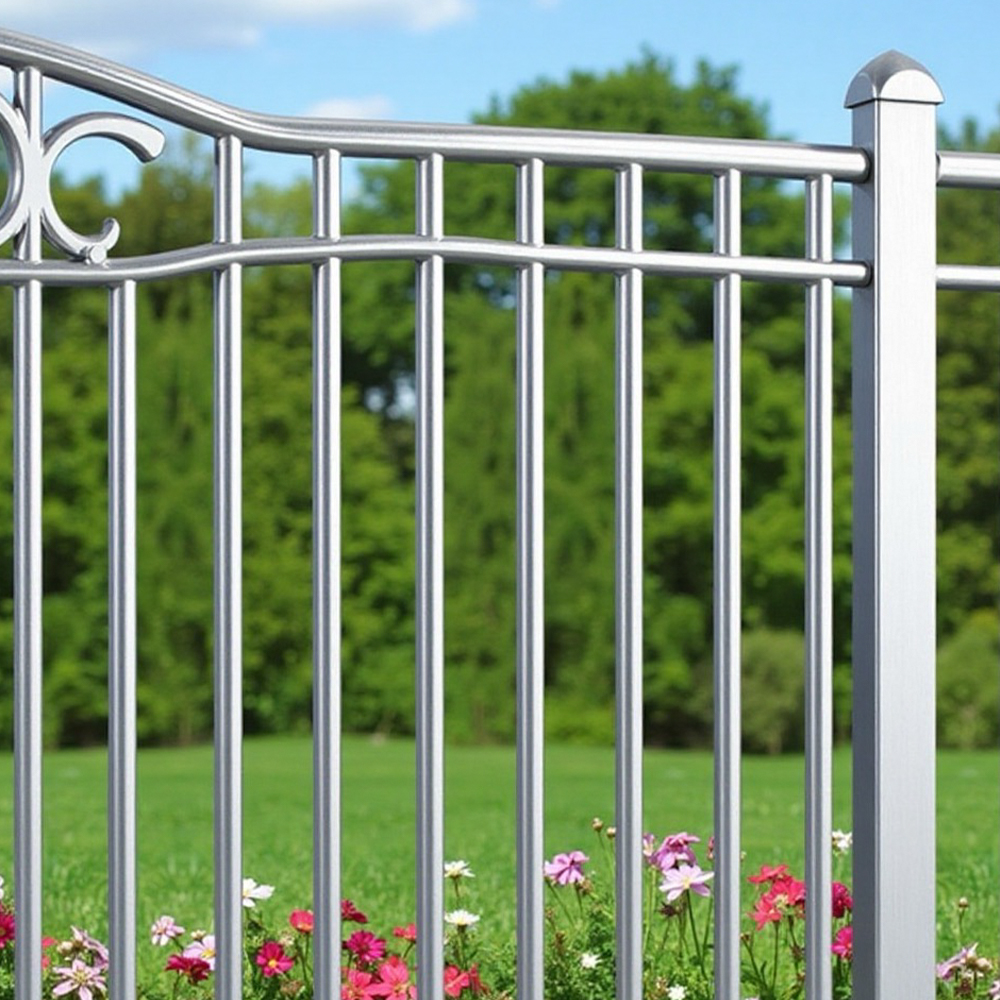
Aluminum has quietly replaced wrought iron as the material of choice for residential fencing—and the reason comes down to the profile. A well-engineered aluminum fence profile determines how a fence performs over decades: its load-bearing capacity, how evenly it accepts a powder-coat finish, and whether it racks cleanly on a sloped yard without gaps. Before comparing styles or colors, understanding what goes into the profile itself is where smart sourcing decisions begin.
Content
The defining characteristic of aluminum as a fencing material is the combination of low density and high structural integrity once alloyed and extruded. A standard 6063-T5 aluminum fence picket weighs roughly one-third of a comparable steel section, yet delivers sufficient yield strength for residential boundary and security applications. That weight advantage reduces shipping costs and simplifies on-site handling—no heavy lifting equipment needed for most residential installs.
Unlike wood, aluminum does not absorb moisture, swell, splinter, or require annual sealing. Unlike steel and wrought iron, it does not rust. Aluminum forms a natural oxide layer that acts as a passive barrier against corrosion, making it particularly well-suited to coastal properties where salt air accelerates degradation of most other metals. The result is a fence that typically maintains its structural integrity and surface appearance for 20–30 years with minimal intervention beyond occasional washing.
For residential buyers comparing materials, the long-term cost calculation often favors aluminum: lower maintenance spend over the product's lifespan offsets a higher upfront price versus wood, while the aesthetic quality of a powder-coated aluminum profile rivals ornamental steel at a fraction of the weight penalty.
Most residential aluminum fence profiles are extruded from either 6063 or 6061 aluminum alloy, and the difference matters more than it might appear on a spec sheet.
6063-T5 is the industry standard for ornamental and decorative residential fencing. Its silicon-magnesium composition produces a smooth, consistent surface that accepts powder coating and anodizing uniformly—critical when the finish is part of the design. The T5 temper (artificially aged after extrusion) gives it adequate strength for typical residential loads while retaining the extrudability needed for complex cross-sections like multi-slot pickets and decorative finial tips.
6061-T6 is a stronger alloy, commonly used where higher structural loads apply—heavy-duty gate frames, posts in high-wind zones, or profiles requiring greater wall thickness without added weight. Its tensile strength is approximately 45% higher than 6063, but its surface is more difficult to finish to the same cosmetic standard, making it less common for decorative picket and rail profiles.
For most extruded aluminum fence profiles and custom fencing solutions, 6063-T5 is the appropriate choice. 6061-T6 is worth specifying when structural engineering requirements take priority over finish quality.

The raw extruded profile is only part of the product. Surface treatment determines how a fence holds up against UV exposure, humidity, and abrasion over years of outdoor use—and it defines the visual outcome the homeowner actually sees.
Three main finishing methods apply to residential aluminum fence profiles:
For most residential projects, powder coating to AAMA 2604 or above represents the best balance of cost, color selection, and long-term performance. More detail on the available aluminum profiles surface treatment options including anodizing and powder coating can help buyers match the specification to their project conditions.
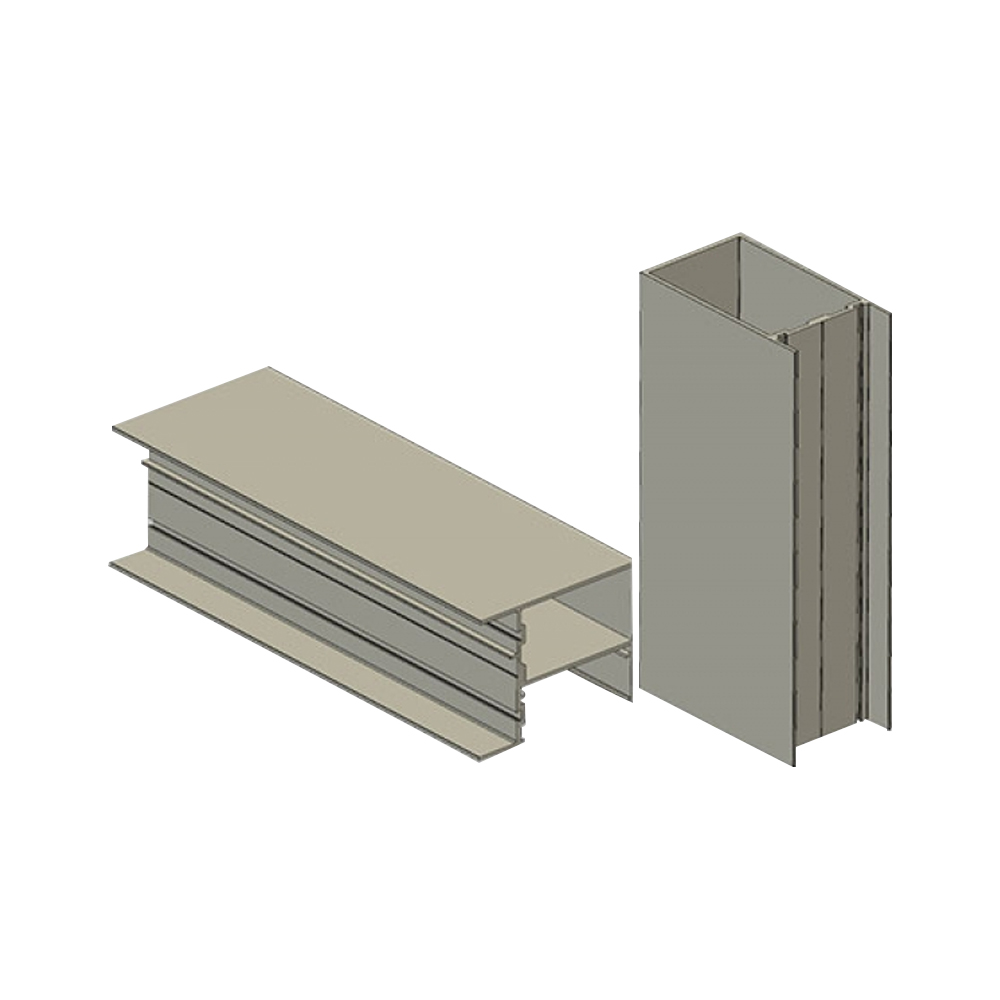
A residential aluminum fence system is assembled from several distinct profile types, each with a defined structural role. Understanding them allows buyers and specifiers to evaluate supplier catalogs with confidence.
Manufacturers offering coordinated architectural aluminum extrusion profiles for construction projects typically supply these components as a matched system, ensuring consistent wall thickness, alloy, and finish across all profile types—reducing fitment issues during installation.
ASTM International's standard F2957, Specification for Ornamental Aluminum Fence Systems, is the benchmark quality reference for residential and commercial aluminum fencing in the US market. Developed by Subcommittee F14.35 on Architectural Metal Fence Systems, it establishes minimum requirements across four areas: physical dimensions, structural performance, surface finish durability, and material certification.
For buyers sourcing aluminum fence profiles, F2957 compliance provides concrete assurance on two points that are otherwise difficult to verify from catalog data alone. First, structural testing under F2957 includes a vertical load assembled panel test and a picket test, confirming that the profile geometry and wall thickness deliver adequate rigidity under realistic loading. Second, the surface finish testing protocol—covering salt fog resistance, adhesion, impact resistance, and weathering—establishes that the coating applied to the profile will perform in outdoor residential conditions, not just under controlled lab settings.
When evaluating suppliers, requesting F2957 compliance documentation is a straightforward way to separate profiles built to a verified specification from those that simply claim adequate quality without independent verification.
For fence manufacturers, contractors, and distributors sourcing profiles at scale, several factors beyond alloy and finish determine whether a supplier relationship delivers consistent value.
Die tooling and custom cross-sections. Standard profile dies cover the most common picket and rail geometries, but many residential fence designs require proprietary cross-sections—specific slot configurations, decorative face shapes, or integrated mounting features. Suppliers with an in-house die library can quote standard profiles immediately; for custom sections, die development timelines typically run 3–6 weeks and involve a one-time tooling cost. Evaluating a supplier's die management capability early prevents delays once a fence system is in production. Learn more about the aluminum extrusion mold customization for unique profile designs that enables truly differentiated fence product lines.
Dimensional consistency across production runs. Fencing systems are assembled in the field by installers who rely on consistent picket-to-rail fitment. Profile cross-sections that vary beyond tight tolerances cause binding, misalignment, and visible gaps. Quality manufacturers maintain dimensional control through regular die maintenance and in-process inspection at the extrusion press.
OEM and ODM capacity. Fence brands requiring private-label profiles—custom alloy, finish, or cross-section not available in a supplier's standard catalog—need a manufacturer with genuine OEM/ODM capability: in-house die development, finish application, and processing, with quality documentation traceable to the finished part. Confirming this capability before placing a first order saves significant time if product customization becomes necessary later.
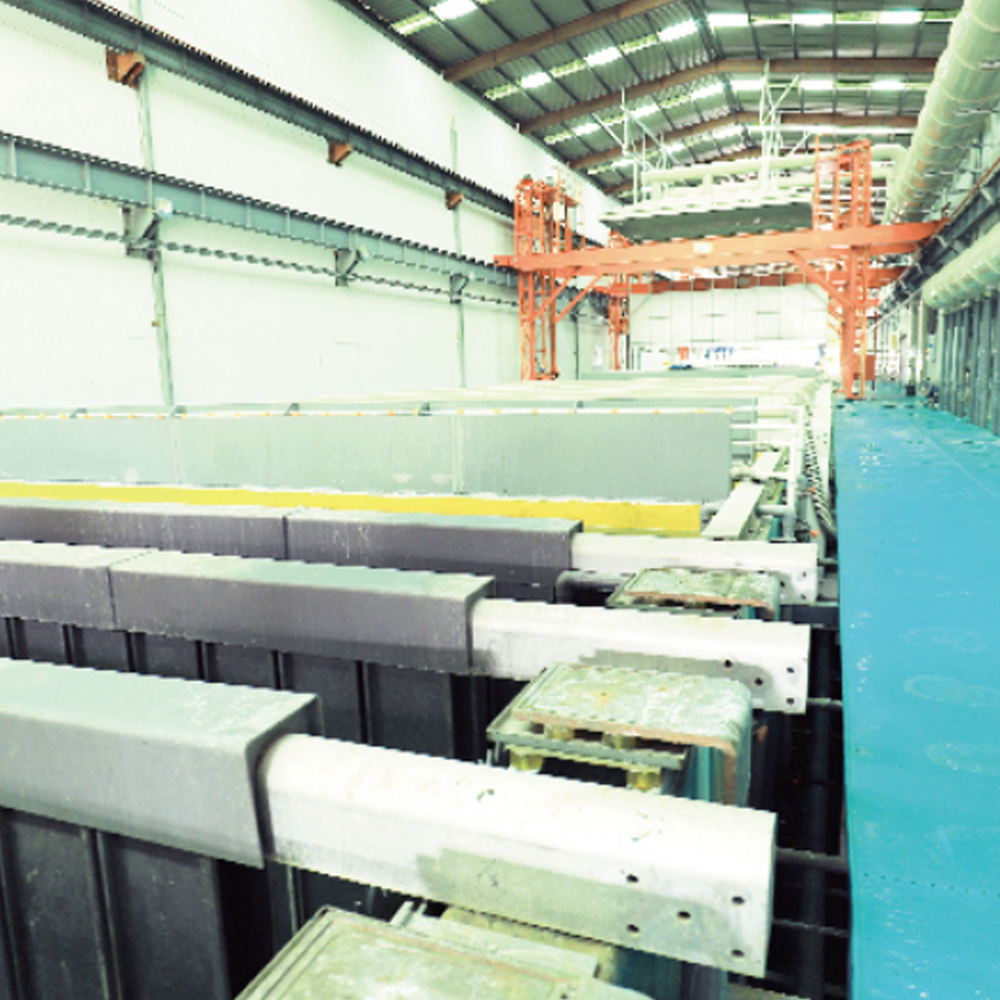
Surface treatment integration. Receiving profiles with powder coating or anodizing applied by the extrusion manufacturer, rather than subcontracted to a third party, reduces lead time, simplifies quality accountability, and ensures that the finish specification is applied to profiles with the correct pre-treatment chemistry for the specific alloy used.
Residential aluminum fencing is a long-cycle product—buyers make decisions every 20+ years. Sourcing the right profile from a supplier who can support both standard volumes and custom development positions fence brands and distributors to compete on product quality, not just price.

Copyright © 2025 Jiangyin Jianbang Aluminium Co., Ltd.
All Rights Reserved.
 Aluminum Extrusion Manufacturers
Aluminium Profile Suppliers
Aluminum Extrusion Manufacturers
Aluminium Profile Suppliers