English
 日本語
日本語 한국어
한국어
Home / Blog / Indusrty News / Aluminum Profiles Surface Treatment Methods and Practical Selection Guide
Indusrty News
Content
Aluminum profiles surface treatment is essential for enhancing corrosion resistance, improving appearance, and extending service life. Raw aluminum naturally forms a thin oxide layer, but this layer is often insufficient for demanding environments such as outdoor construction, industrial facilities, or high-humidity areas. Surface treatment strengthens protection while also offering decorative finishes.
Beyond protection, surface treatment influences wear resistance, electrical insulation properties, color stability, and surface texture. Choosing the appropriate treatment method depends on application environment, aesthetic requirements, mechanical performance, and long-term maintenance expectations.
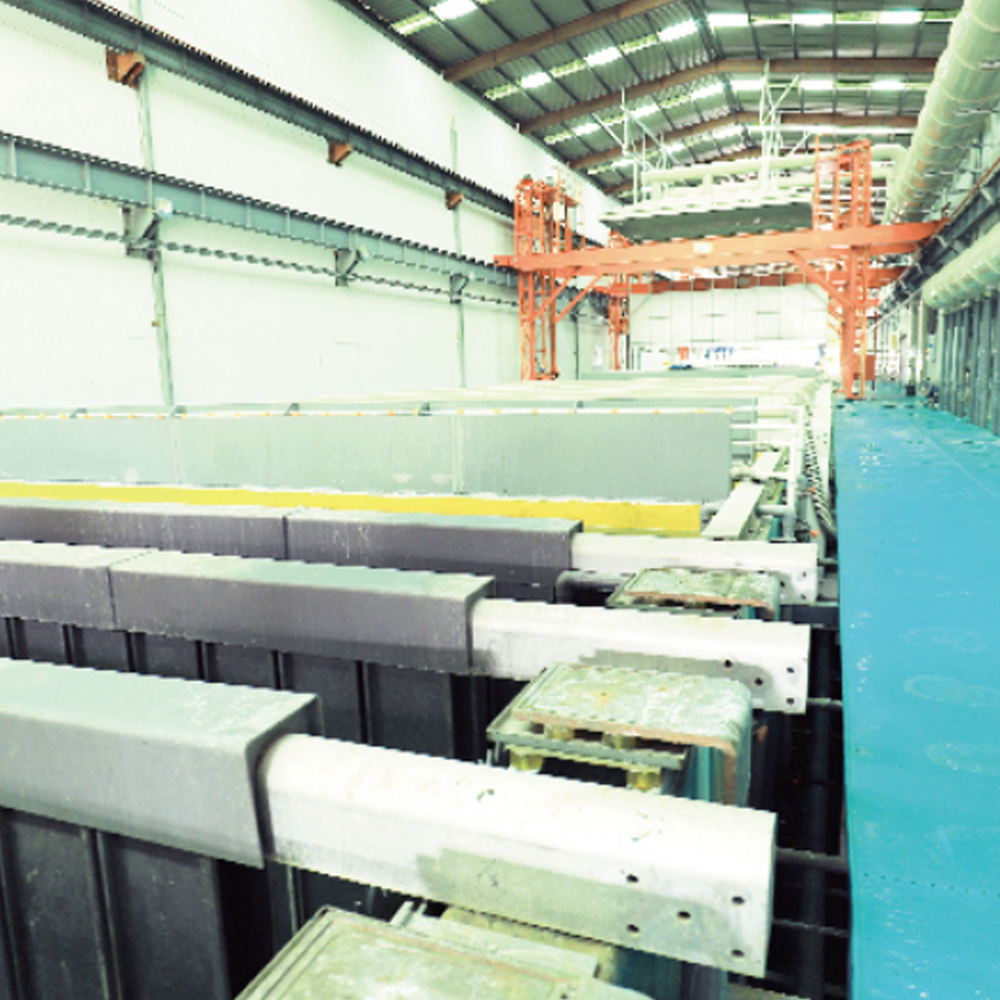
Anodizing is one of the most widely used aluminum profiles surface treatment methods. It is an electrochemical process that thickens the natural oxide layer on aluminum surfaces. The resulting anodic film provides enhanced corrosion resistance and improved hardness compared to untreated aluminum.
Anodized aluminum profiles are commonly used in architectural frames, curtain walls, electronic housings, and mechanical components. The porous structure of the anodic layer allows for dyeing, enabling a wide range of color finishes while maintaining metallic texture.
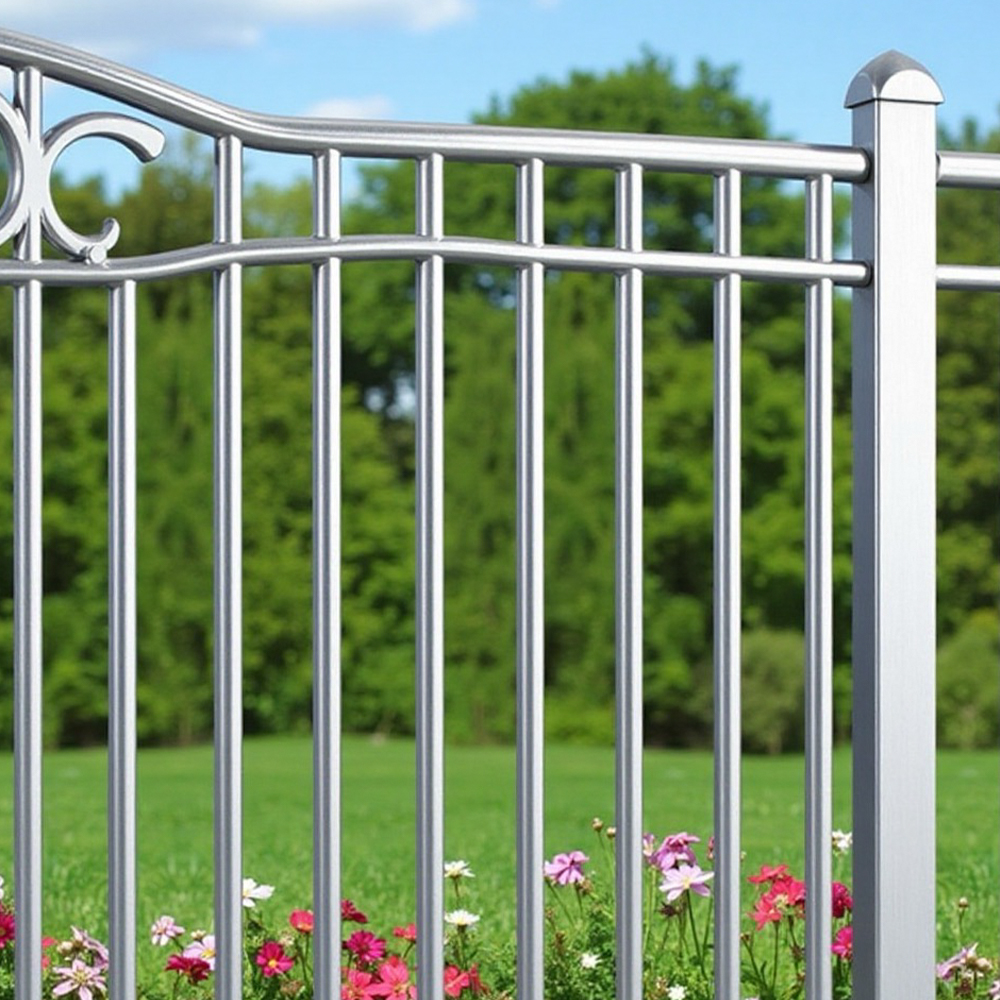
Powder coating involves electrostatically applying dry powder to aluminum profiles, followed by curing at high temperature. The melted powder forms a uniform protective layer with strong adhesion and impact resistance. This method is popular in construction, transportation, and furniture manufacturing.
Compared to anodizing, powder coating provides thicker coverage and more flexible color options, including matte, glossy, and textured finishes. It also offers superior resistance to mechanical damage and chemical exposure when properly applied.
Electrophoresis, also known as e-coating, is a surface treatment process that uses electric current to deposit paint particles evenly onto aluminum profiles. This method creates a thin, highly uniform film with excellent corrosion resistance and smooth finish.
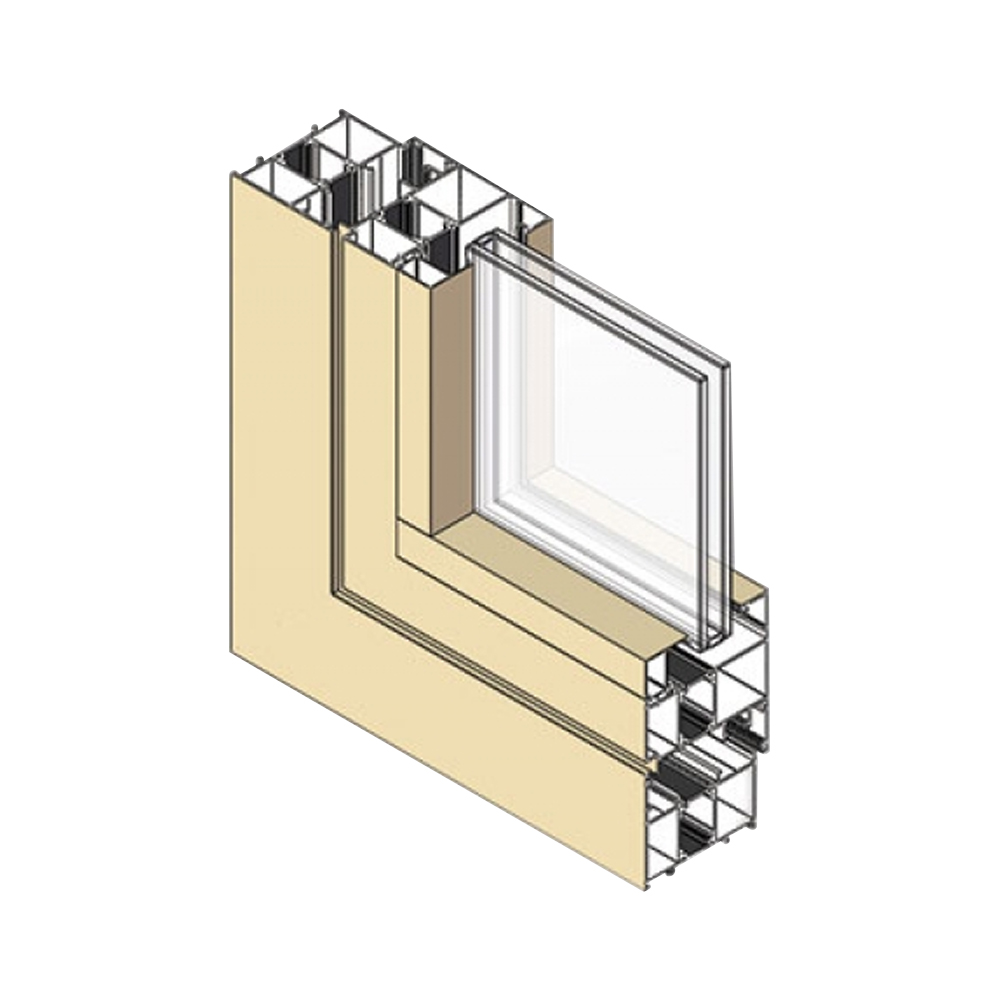
It is commonly applied after anodizing to provide additional protective layers. Electrophoresis is particularly suitable for applications requiring enhanced weather resistance, such as window frames and façade systems.
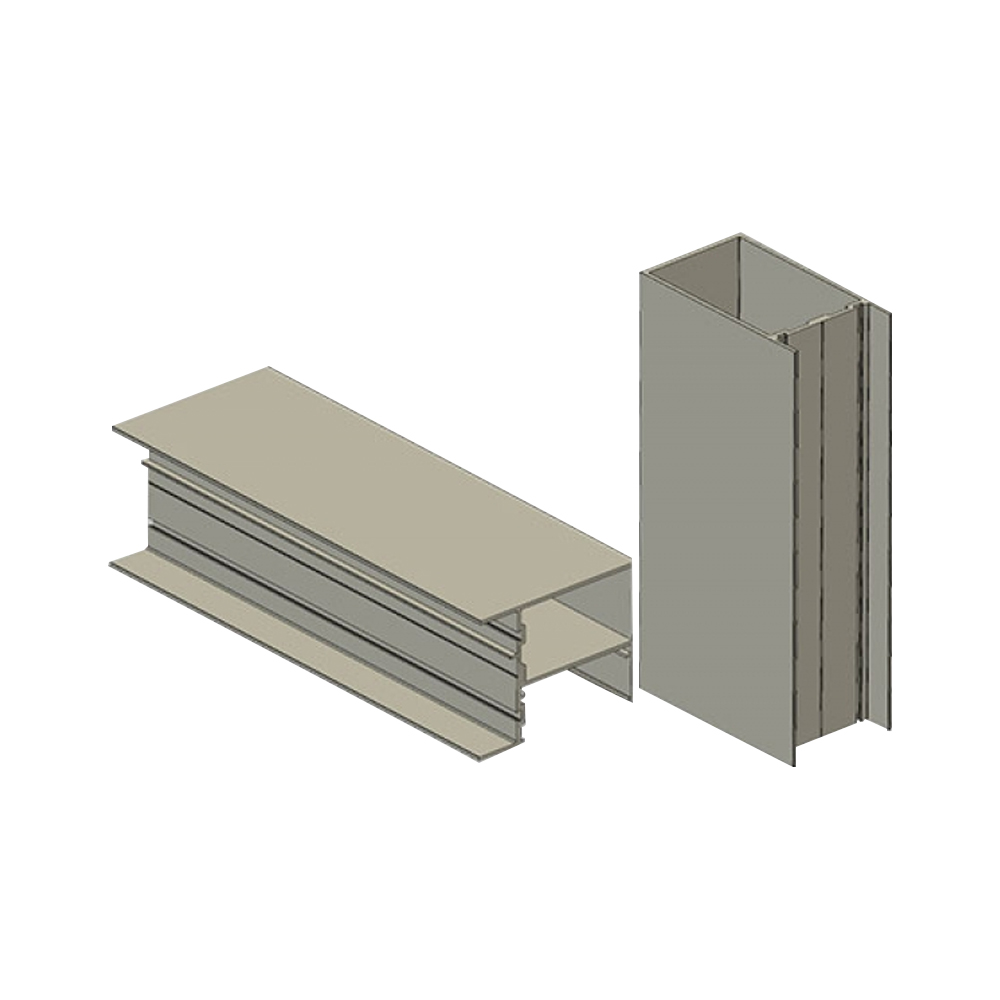
Mechanical surface treatments such as brushing, polishing, and sandblasting are often used before or independently of coating processes. These methods modify surface texture and appearance while improving adhesion for subsequent treatments.
Brushed finishes create linear patterns suitable for decorative panels. Polished surfaces offer mirror-like reflectivity for consumer electronics or interior applications. Sandblasting produces matte textures that reduce glare and enhance coating bonding performance.
| Treatment Method | Corrosion Resistance | Appearance Options | Typical Applications |
| Anodizing | High | Metallic tones | Architectural frames |
| Powder Coating | Very High | Extensive colors | Outdoor structures |
| Electrophoresis | Very High | Smooth finishes | Window systems |
Selecting the optimal aluminum profiles surface treatment requires evaluating environmental exposure, load conditions, aesthetic requirements, and cost considerations. Coastal environments demand high corrosion resistance, making anodizing with sealing or powder coating preferable. Industrial settings may require additional chemical resistance and thicker protective layers.
For interior decorative components, mechanical finishing combined with anodizing often provides sufficient durability while maintaining a refined appearance. Consulting with surface treatment specialists ensures proper process selection based on project specifications and long-term performance expectations.

Copyright © 2025 Jiangyin Jianbang Aluminium Co., Ltd.
All Rights Reserved.
 Aluminum Extrusion Manufacturers
Aluminium Profile Suppliers
Aluminum Extrusion Manufacturers
Aluminium Profile Suppliers