English
 日本語
日本語 한국어
한국어Indusrty News
Aluminium extrusion profiles are shaped lengths of aluminium formed by forcing heated metal through a die — and they are one of the most versatile structural and architectural components in modern manufacturing. From T-slot framing systems used in factory automation to curtain wall mullions on skyscrapers, extruded aluminium profiles offer a combination of precision geometry, light weight, corrosion resistance, and design flexibility that no other material-process combination can match at scale. If you're sourcing, specifying, or designing with extrusion profiles, understanding what drives quality, cost, and performance will directly affect your project outcome.
Content
- 1 How the Extrusion Process Shapes the Profile
- 2 Alloy Selection: The Most Consequential Decision
- 3 Profile Types and Their Practical Differences
- 4 Surface Finishing Options and Their Impact
- 5 Dimensional Tolerances and What to Specify
- 6 Key Industries and Applications
- 7 Custom Profile Design: What Makes It Viable
- 8 Sustainability and Recycled Content in Extrusion Profiles
How the Extrusion Process Shapes the Profile
The extrusion process begins with a cylindrical aluminium billet, typically heated to between 400°C and 500°C — soft enough to flow under pressure but not molten. A hydraulic ram pushes the billet through a hardened steel die, which has an opening shaped to the desired cross-section. The aluminium emerges as a continuous profile, is quenched to lock its shape, stretched to remove distortion, and then cut to length.
Die design is the critical variable. A well-engineered die ensures uniform metal flow across the entire cross-section, preventing differential cooling, warping, or surface defects. Complex hollow profiles — such as those with multiple internal chambers — require bridge or porthole dies, which are significantly more expensive to manufacture than solid-profile dies. A simple solid die may cost $500–$1,500, while a complex multi-void hollow die can exceed $5,000–$10,000.
After extrusion, most profiles undergo a T5 or T6 temper treatment. T5 involves air cooling directly after extrusion followed by artificial aging, while T6 requires a full solution heat treatment before aging. T6 temper delivers higher strength — typically 260–310 MPa tensile strength for 6061-T6 — but T5 is more cost-effective for profiles where maximum strength isn't the priority.
Alloy Selection: The Most Consequential Decision
Not all aluminium extrusion profiles are made from the same alloy. The 6000 series dominates the extrusion industry because these alloys — primarily magnesium and silicon additions — offer the ideal combination of extrudability, strength, and surface finish quality.
| Alloy | Tensile Strength (T6) | Key Characteristic | Typical Applications |
|---|---|---|---|
| 6063 | ~205 MPa | Excellent surface finish, highly extrudable | Window frames, door profiles, architectural trim |
| 6061 | ~310 MPa | Higher strength, good machinability | Structural frames, marine, aerospace fittings |
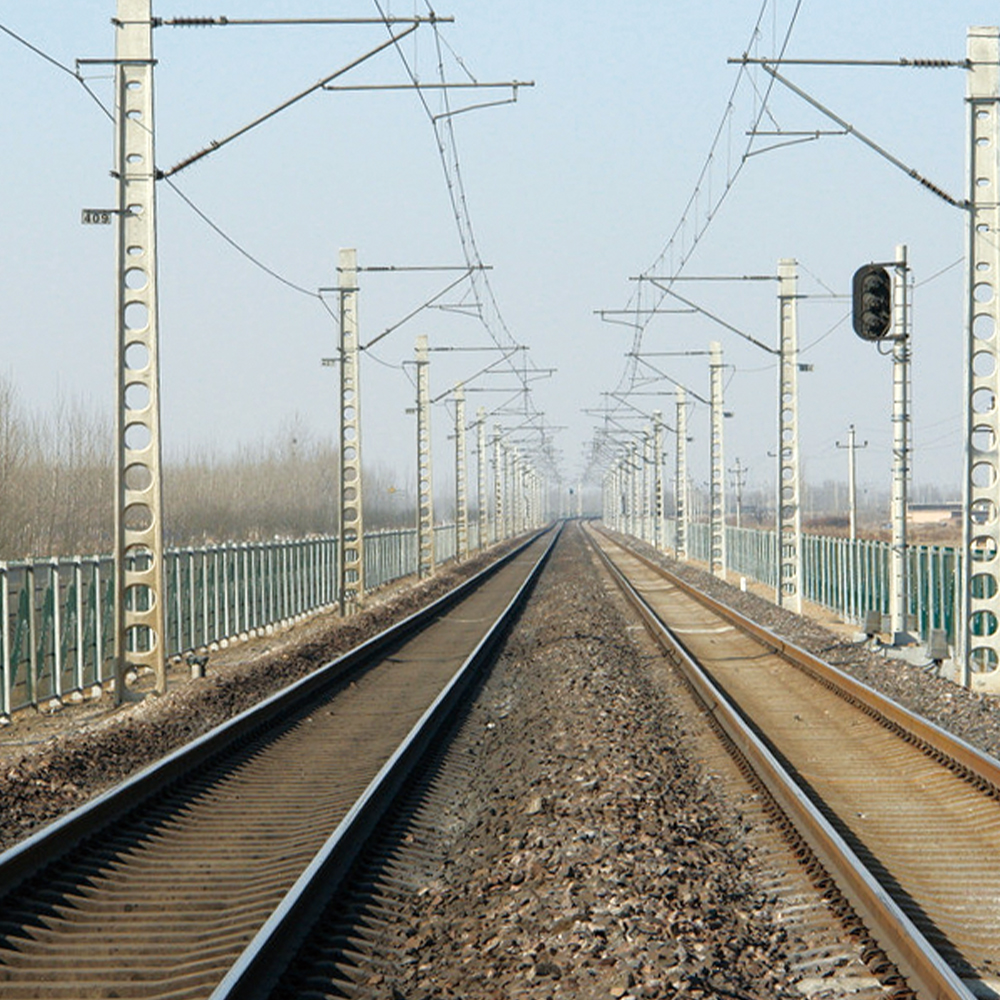
| 6005A | ~260 MPa | Balance of strength and extrudability | Rail transport, ladder rails, structural sections |
| 7075 | ~570 MPa | Very high strength, harder to extrude | Aerospace, defence, high-stress components |
For most architectural and light structural applications, 6063-T5 or 6063-T6 is the standard choice. Where load-bearing capacity is the primary requirement — such as in industrial machine frames or transport vehicle structures — 6061-T6 or 6005A-T6 are preferred. The 7000 series is reserved for specialized high-performance contexts due to its elevated cost and processing complexity.
Profile Types and Their Practical Differences
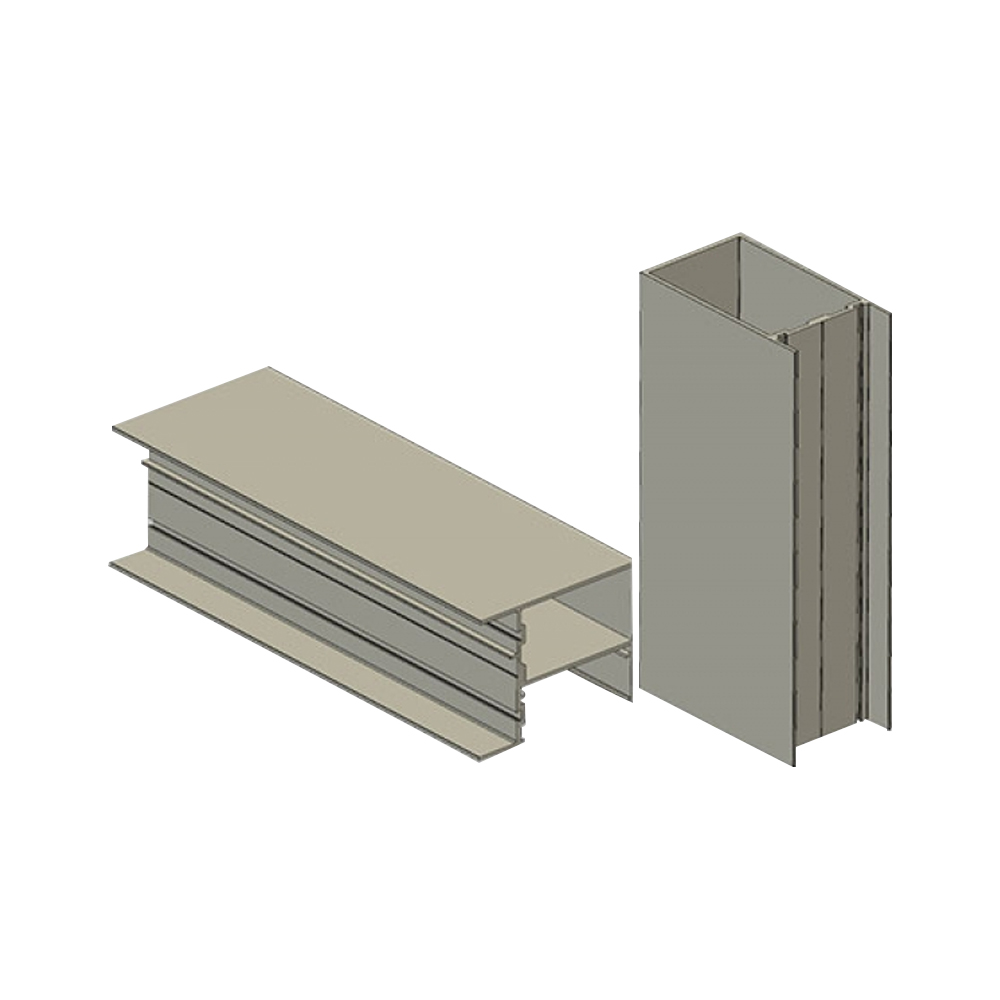
Aluminium extrusion profiles are broadly categorized by their cross-sectional geometry. The category directly determines structural behaviour, die cost, and suitability for different joining and assembly methods.
Solid Profiles
These include angle sections, flat bars, T-sections, I-beams, and channels. They are produced with simpler dies, have the lowest tooling cost, and are straightforward to cut, drill, and weld. Standard angle and channel profiles are available as stock items from most distributors, making them a practical choice for projects that don't require custom geometry.
Hollow Profiles
Square hollow sections (SHS), rectangular hollow sections (RHS), and round tubes fall into this category. Hollow profiles deliver superior strength-to-weight ratios compared to solid sections of equivalent material weight — critical in applications where minimising mass without sacrificing rigidity is the design goal, such as vehicle body framing or structural facade systems.
Semi-Hollow Profiles
These profiles have partially enclosed voids — such as a C-channel with a narrow gap — and require more sophisticated die engineering than solid profiles but less than fully hollow ones. They appear frequently in window and door hardware, sliding track systems, and enclosure frames.
Custom and Specialty Profiles
Custom profiles are designed around a specific function — integrating T-slots for fastener access, snap-fit features for component assembly, thermal break channels for insulation inserts, or integrated cable management grooves. The T-slot profile system, popularised by brands like 80/20 Inc. and Bosch Rexroth, is one of the most commercially successful examples of a custom extrusion profile family, used globally in machine guarding, workstations, and modular framing.
Surface Finishing Options and Their Impact
The as-extruded surface of an aluminium profile is functional but often insufficient for end-use requirements. Surface treatments add corrosion protection, improve aesthetics, and in some cases enhance mechanical performance.
- Anodising: An electrochemical process that thickens the natural oxide layer. Architectural anodising typically produces a 15–25 micron oxide film, providing excellent corrosion resistance and a hard, paint-receptive surface. Clear, bronze, black, and champagne anodised finishes are the most common in construction.
- Powder Coating: Thermosetting polymer applied electrostatically and cured at ~180°C. Offers a vast colour range, good impact resistance, and UV durability. Film thickness is typically 60–80 microns. More cost-effective than liquid paint for production runs and resistant to chipping and peeling.
- PVDF (Polyvinylidene Fluoride) Coating: A premium liquid coating system used for high-end architectural facades and curtain walls. PVDF coatings — marketed under brand names like Kynar 500 — offer exceptional colour retention and weathering resistance, with service lives exceeding 20–25 years even in harsh climates.
- Mill Finish: The unfinished, as-extruded surface. Used in industrial applications, concealed structural elements, or as a substrate for secondary processing. Not suitable for exposed architectural use without further treatment.
- Sublimation / Wood Grain: A transfer printing process applied over powder coat or anodised base, producing realistic wood and stone textures. Increasingly popular in residential window and door profiles where a traditional aesthetic is desired with aluminium's performance properties.
Dimensional Tolerances and What to Specify
Extrusion tolerances govern how closely a finished profile conforms to its nominal dimensions. International standards — including EN 755 (Europe), ASTM B221 (North America), and AS 1734 (Australia) — define acceptable deviations for wall thickness, cross-section dimensions, straightness, and twist.
For a typical 6063 profile with a circumscribing circle diameter (CCD) under 100 mm, standard dimensional tolerances are in the range of ±0.25 to ±0.40 mm. Precision or tight-tolerance extrusions can achieve ±0.10 mm or better, but this requires more careful die maintenance and slower extrusion speeds, adding cost.
When specifying a profile, always define:
- The applicable dimensional tolerance standard
- Minimum wall thickness (typically no less than 1.0–1.5 mm for standard extrusion)
- Flatness and straightness tolerances if assembly precision is critical
- Surface finish class (Class A for visible faces, Class B for concealed)
Failing to specify tolerances adequately is one of the most common causes of fit-up problems during assembly, particularly in curtain wall systems and precision machinery where multiple profiles interface.
Key Industries and Applications
Aluminium extrusion profiles serve industries that require precision geometry, light weight, and long service life. The global aluminium extrusion market was valued at approximately USD 90 billion in 2023, with construction and transportation accounting for the largest share of demand.
| Industry | Typical Profile Types | Key Requirements |
|---|---|---|
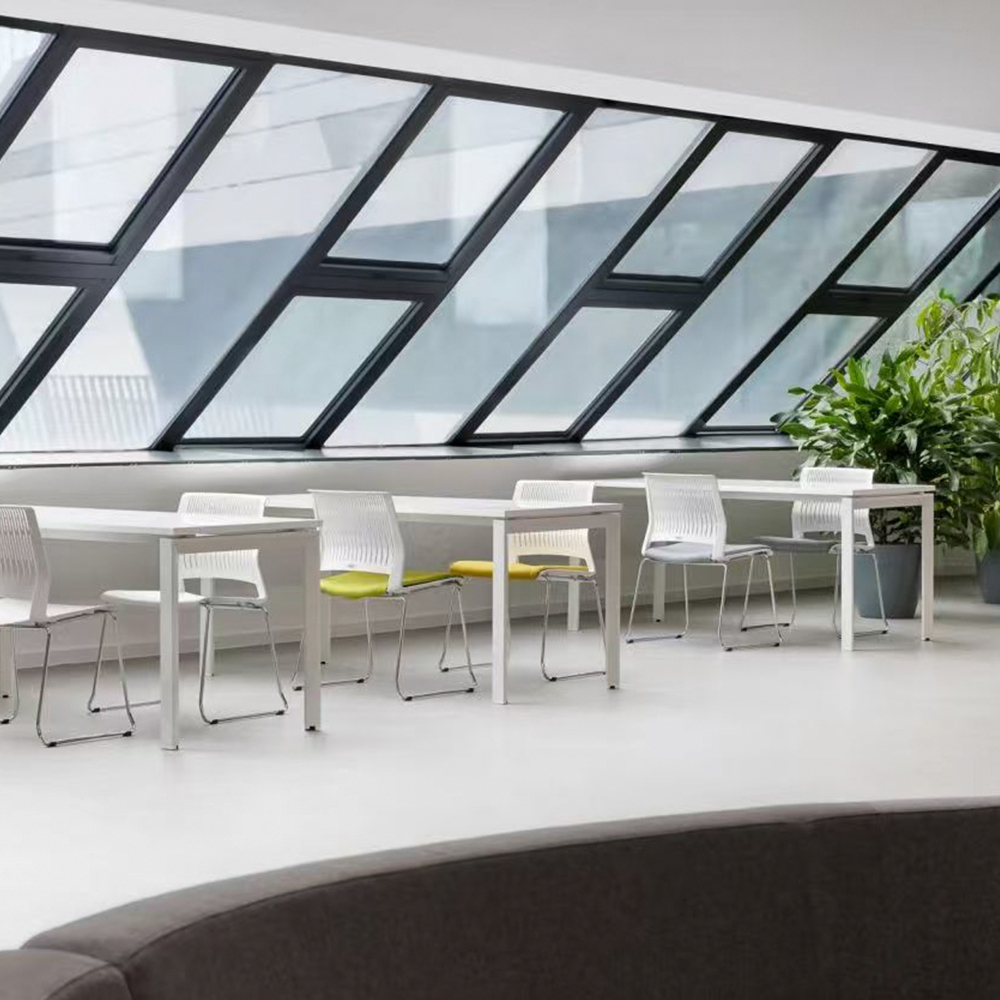
| Construction & Architecture | Curtain wall mullions, window frames, cladding | Surface finish, thermal break, dimensional accuracy |
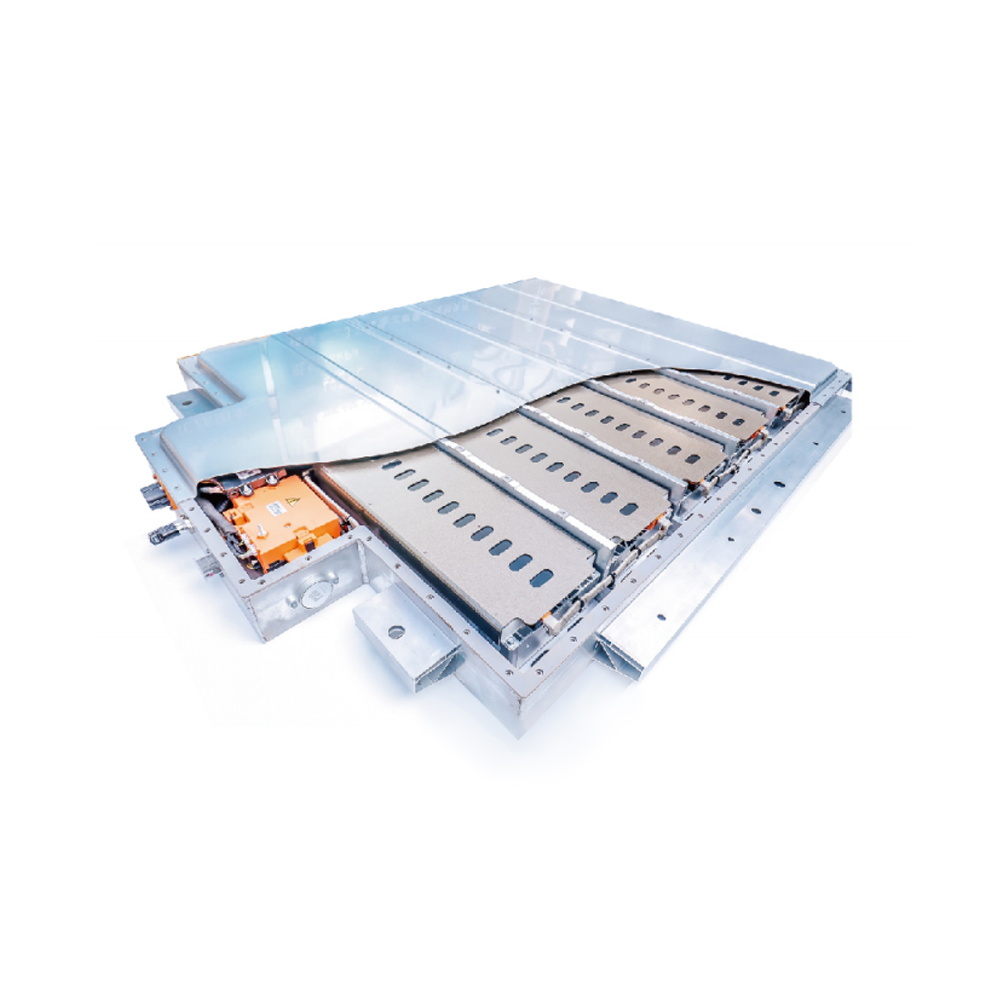
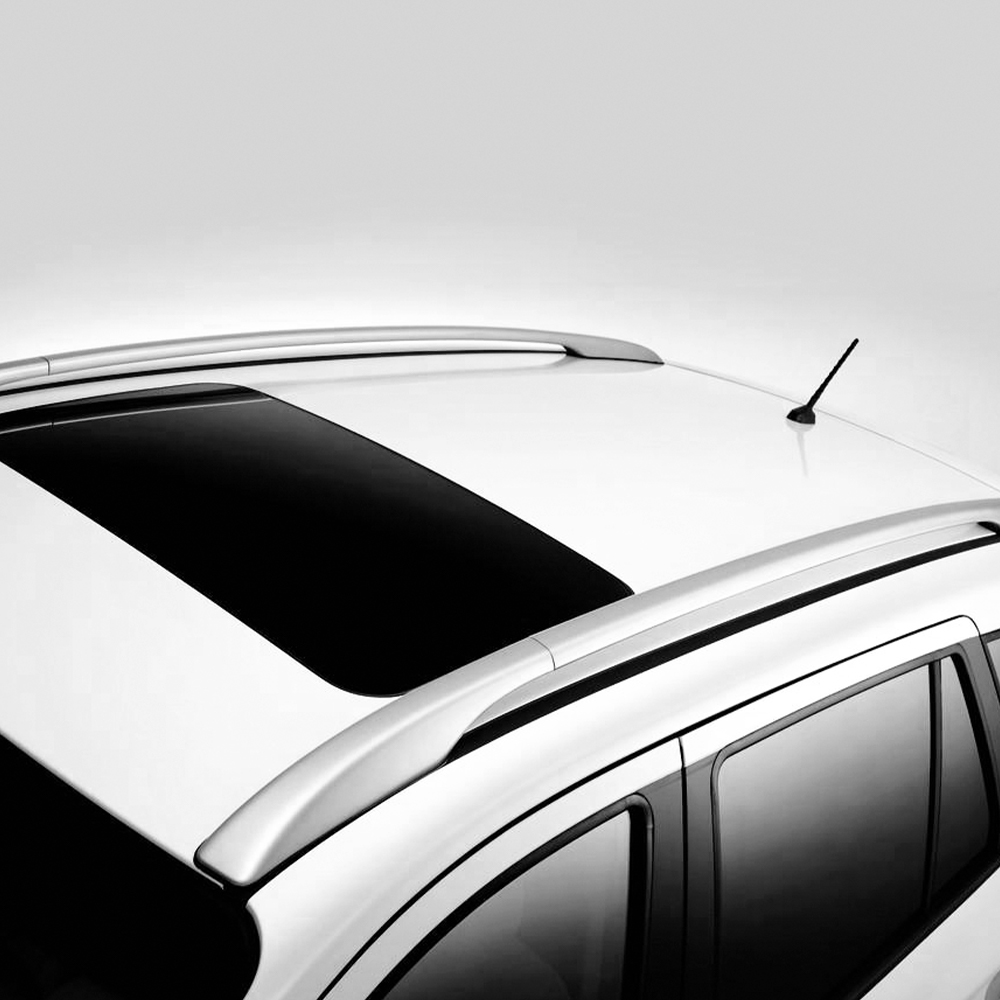
| Transportation | Rail car body sections, truck body rails, EV battery enclosures | High strength, crash performance, weldability |
| Industrial Automation | T-slot framing, linear guide rails, machine enclosures | Modularity, tight tolerances, machinability |
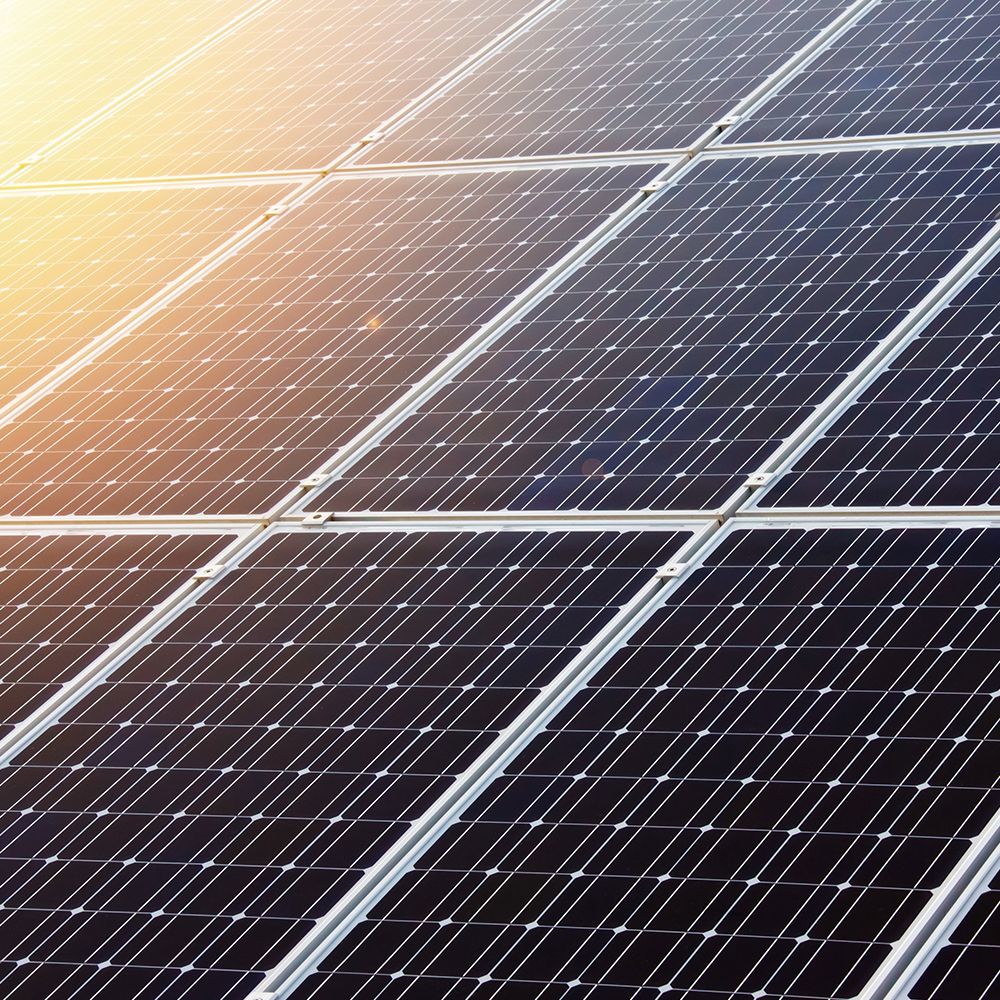
| Solar Energy | Panel mounting frames, racking rails, tracker arms | Corrosion resistance, outdoor durability, low weight |
| Consumer Electronics | Laptop enclosures, heat sinks, display frames | Fine surface finish, complex geometry, tight tolerance |
Custom Profile Design: What Makes It Viable
Custom extrusion profiles are economically viable when the volume justifies the die investment and when a standard profile cannot efficiently perform the required function. The general industry threshold for custom die investment is a minimum order volume of 500–1,000 kg per run, though some extruders will accept smaller runs for die costs paid upfront.
Effective custom profile design follows several engineering principles:
- Maintain uniform wall thickness where possible. Large variations in wall thickness cause uneven metal flow through the die, leading to surface defects and dimensional inconsistency. Aim for a wall thickness ratio of no more than 2:1 between adjacent sections.
- Avoid excessively thin walls. For standard 6063 alloy, walls thinner than 1.0 mm are difficult to extrude consistently. For complex profiles with multiple voids, 1.5 mm is a safer minimum.
- Minimise the circumscribing circle diameter (CCD). The CCD determines press capacity requirements. A profile with a CCD under 150 mm can be produced on a wide range of extrusion presses globally; above 400 mm, the number of capable extruders drops significantly.
- Incorporate functional features directly into the profile. Adding T-slots, snap-fit grooves, or screw bosses during extrusion eliminates secondary machining operations — often the greatest cost saving a custom profile can deliver.
- Share die costs with similar profiles. If a product family requires multiple related profiles, designing them to share a common die with interchangeable inserts can reduce tooling costs by 30–50%.
Sustainability and Recycled Content in Extrusion Profiles
Aluminium is one of the most recyclable materials in industrial use. Recycling aluminium requires only 5% of the energy needed to produce primary aluminium from bauxite ore, making recycled content a significant factor in both environmental performance and material cost.
Many European extruders now offer profiles produced from billets with 75–85% post-consumer recycled content, verified through third-party chain-of-custody certification. For projects targeting LEED, BREEAM, or other green building ratings, specifying high-recycled-content extrusion profiles contributes directly to materials credits.
The aluminium extrusion industry has also committed to significant emissions reductions. The European Aluminium association has set a target of carbon neutrality by 2050, with interim milestones requiring primary aluminium producers to cut emissions intensity by 50% by 2030 compared to 2010 baselines. For specifiers and procurement teams, requesting Environmental Product Declarations (EPDs) from extruder suppliers is now standard practice in responsible procurement.