English
 日本語
日本語 한국어
한국어
Home / Blog / Indusrty News / 6061 vs 6063 Aluminum: Key Differences in Strength, Machinability & Applications
Indusrty News
When your machining team tells you that 6061 and 6063 aluminum are “basically the same,” they are usually referring to the same 6xxx alloy family. In practice, the two alloys behave very differently in strength, finish, and extrusion behavior. The choice is not arbitrary; it depends on the load path, the finishing process, and the cost of the finished part.
Core conclusion: Choose 6061 for structural components that must carry higher loads, resist fatigue, or require welding. Choose 6063 when surface finish, extrudability, and corrosion resistance in architectural applications matter more than raw strength.
This guide explains the alloy difference from a real-world supplier perspective, so you can make a confident purchase decision without over-engineering your part.
Content
6061 contains roughly 0.8–1.2% magnesium and 0.4–0.8% silicon, with copper (0.15–0.4%) and chromium added for strength. 6063 uses approximately 0.45–0.9% magnesium and 0.2–0.6% silicon, with no deliberate copper addition. The extra copper and magnesium in 6061 create more precipitate hardening, which is why 6061 is stronger.
6063 is considered the “architectural alloy” because it extrudes more easily, allowing thin wall sections and intricate profiles. 6061 is harder to push through a die and tends to require larger radii and thicker walls. If your design needs tight tolerances and complex shapes, 6063 is more forgiving.
6063 responds well to anodizing and powder coating, producing a smooth, uniform finish. 6061, with more copper, can tint darker in anodizing and may show streaks after etching. For visible architectural parts, 6063 is the preferred choice; for hidden structural parts, 6061 is often acceptable. We have discussed the broader topic of strength, shape, and surface finish in our article on comparing aluminium extrusion profiles.
Many buyers only compare tensile strength. Two less obvious metrics matter more in real production: fatigue strength and extrusion speed.
6061 handles cyclic loads far better, which is why it is specified for automotive brackets and machine frames.
6063 runs faster through the press, lowering tooling wear and unit cost for complex profiles.
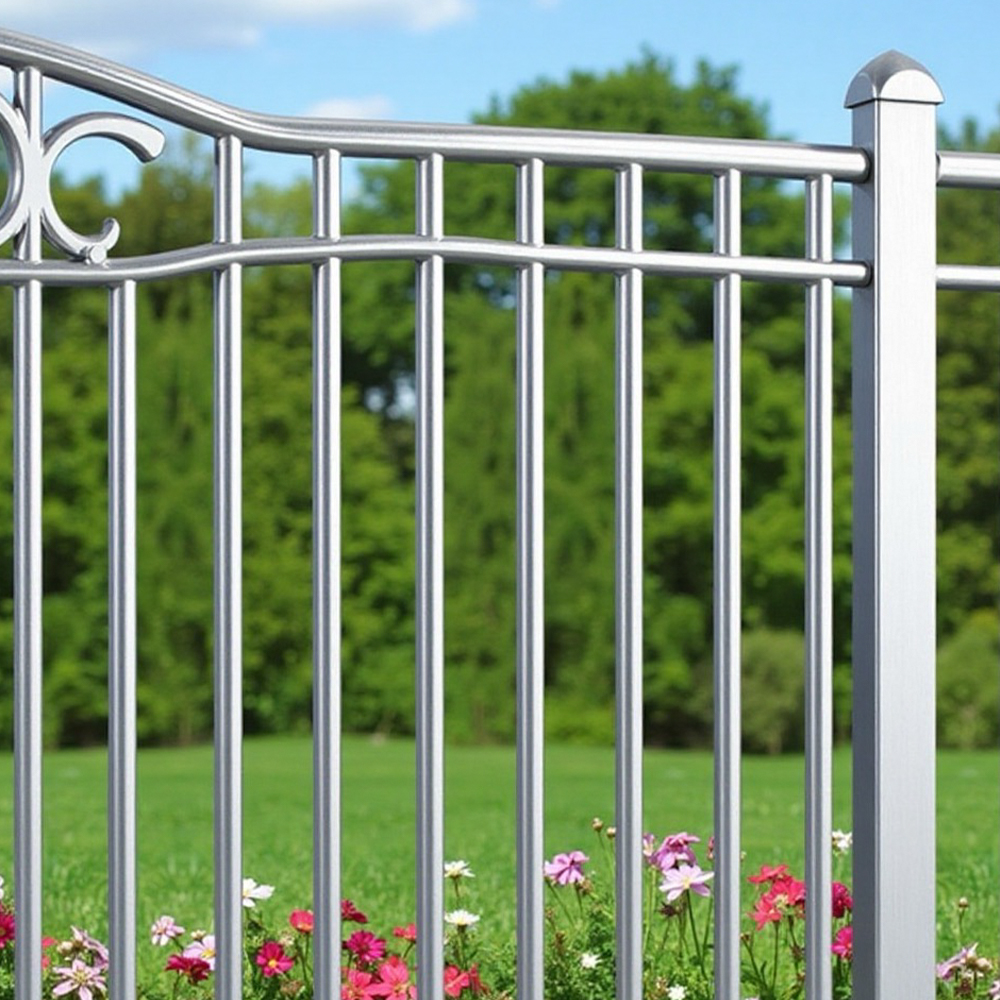
The chart shows typical usage patterns. 6063 dominates building facades, door/window frames, and fence profiles because of its surface quality. 6061 is the default for load-bearing automotive, rail, and machinery components.
Typical considerations when selecting an alloy for a given application are listed below.
For door and window frames, curtain walls, and furniture profiles, 6063 provides the smooth anodized finish that architects expect. Our production line runs 6063 for these visible surfaces.
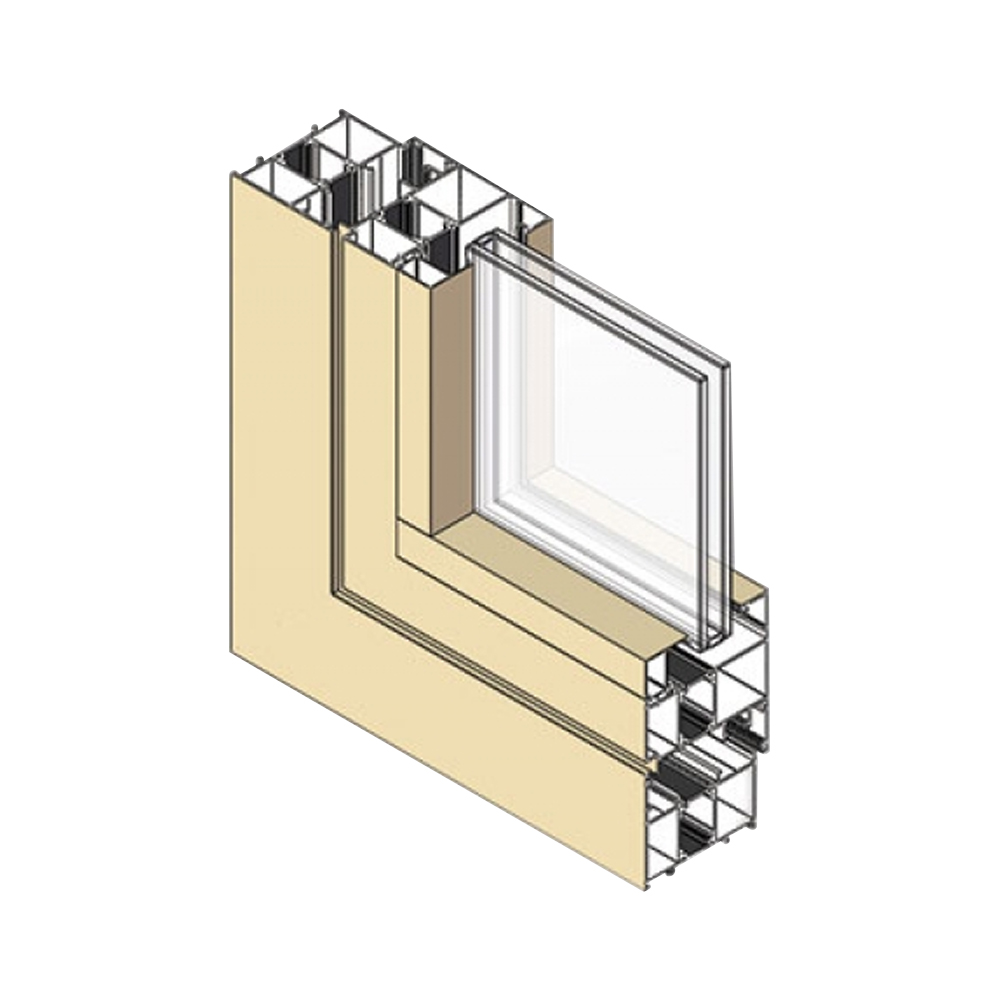
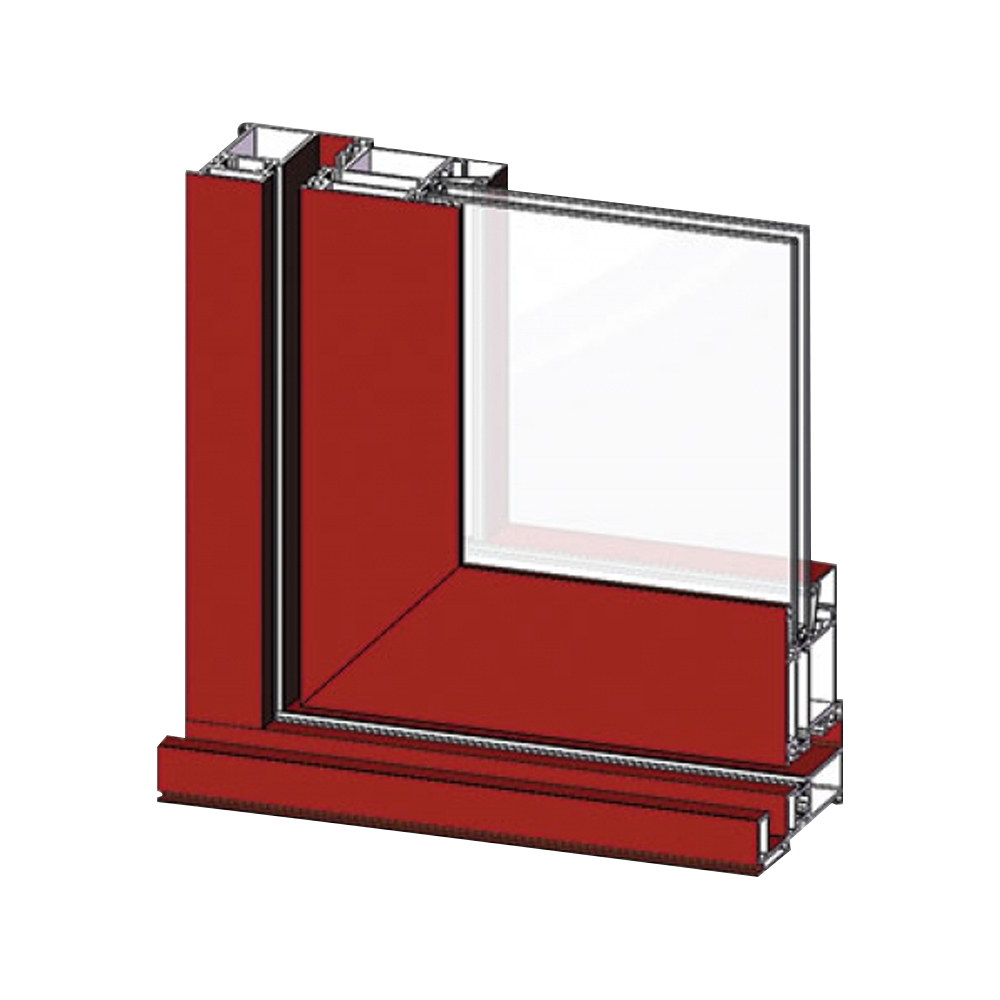 Door and Window Aluminum Profiles with Thermal Break TechnologyThese profiles offer a smooth anodized finish for visible surfaces, ensuring energy efficiency and low maintenance. They are ideal for residential and commercial buildings, providing structural reliability and resistance to harsh conditions.View Product →
For roof racks and pedal brackets that see vibration and impact, 6061 offers the necessary yield strength. Our automotive profiles are engineered for structural reliability.
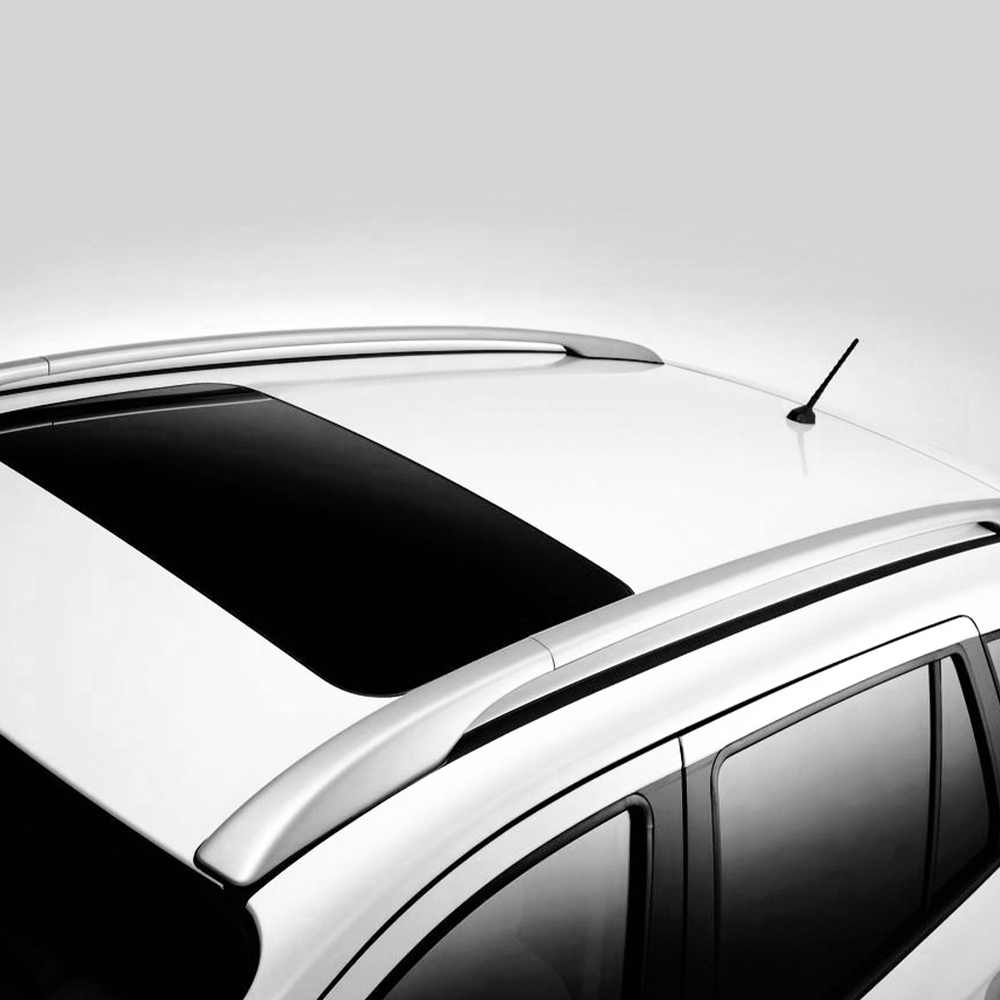 Car Roof Rack Aluminum Extrusion Profiles for Structural ReliabilityEngineered for vibration and impact, these 6061 profiles deliver high yield strength and lightweight performance. They are customizable for various roof rack designs, meeting dynamic load standards and reducing fuel consumption.View Product →
Energy storage battery packs and photovoltaic mounting brackets benefit from 6063's corrosion resistance and formability. We can deliver these profiles in either alloy depending on load requirements.
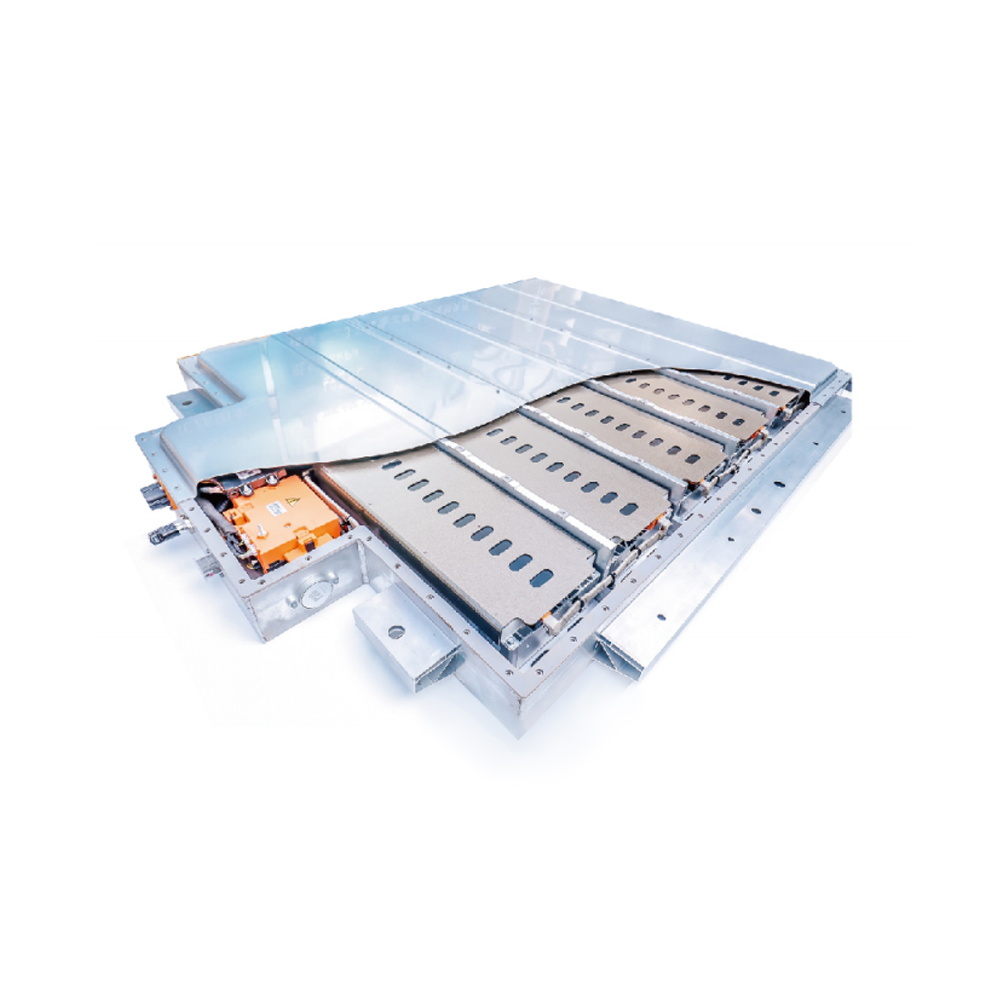 Aluminum Extrusion for Energy Storage Battery PacksDesigned for battery pack assembly, these extrusions provide superior thermal management and corrosion resistance. Their lightweight, precise dimensions simplify integration and ensure long-term stability in demanding environments.View Product →
Define the load path
If the part will carry a sustained load, experience vibration, or join to a welded structure, 6061 is usually the safer choice. 6063 only makes sense if the stress level is low.
Decide on surface finish
For anodized or powder-coated surfaces that will be visible, 6063 delivers a more uniform appearance. If the part is painted or not exposed, 6061's finish is fine.
Evaluate extrusion complexity
Thin walls, tight tolerances, and long profiles are easier in 6063. If your design involves a complex shape, switching to 6063 may reduce tooling cost and reject rate.
Calculate total cost, not alloy cost
6061 costs more per kilogram, but 6063 may require more material to achieve the same stiffness. Compare the finished part cost including machining, finishing, and scrap.
Confirm specifications with your extruder
Ask your supplier to verify the temper, minimum wall thickness, and maximum side-to-side tolerance. A reliable extruder will help you avoid over-specification.
Both 6061 and 6063 can deliver years of service, but their maintenance needs differ. For architectural 6063 panels, regular cleaning of dirt and salt deposits prevents pitting. For 6061 structural components exposed to moisture, an anodized or primed surface is a practical safeguard.
When ordering, you should ask for a signed material certificate per ASTM B221 or EN 755, and require batch-level heat-treatment records for the 6061-T6 temper. Many suppliers will include these documents at no extra cost, and they become valuable if you need to trace a quality issue later.
Our production team validates alloy chemistry and mechanical properties on every order. To learn more about our quality system and factory capabilities, visit our about page to see how we support industrial customers.

Copyright © 2025 Jiangyin Jianbang Aluminium Co., Ltd.
All Rights Reserved.
 Aluminum Extrusion Manufacturers
Aluminium Profile Suppliers
Aluminum Extrusion Manufacturers
Aluminium Profile Suppliers