English
 日本語
日本語 한국어
한국어
Home / Blog / Indusrty News / Aluminium Extrusion Industries: Process, Applications, and How to Choose a Supplier
Indusrty News
Aluminium extrusion industries are no longer just about pushing hot metal through a die. The most reliable supply chains share one characteristic: a single partner that controls die design, extrusion, heat treatment, surface finishing, and final machining. For a buyer, this reduces tolerance stacking and shortens qualification time. The practical conclusion is simple: when comparing suppliers, evaluate the whole production loop, not only the extrusion press size.
Key conclusion: Put at least as much weight on downstream capabilities as on press tonnage. In-house die making, aging furnaces, and CNC machining are often what turn an extruded profile into a production-ready component.
Content
At its core, aluminium extrusion is a hot forming process. A preheated billet is pushed through a die under high pressure, producing a continuous profile with a fixed cross-section. Industrial competitiveness, however, depends on what happens around that step. A supplier who cannot control the complete thermal cycle will struggle to deliver consistent dimensional accuracy and mechanical properties.
Each stage is a potential source of variation. For example, die temperature changes surface quality, quench rate affects hardness, and aging time determines the difference between a soft T5 profile and a harder T6 profile. Many engineers select the alloy on paper but later discover that the supplier’s process control has a larger influence on real component behaviour.
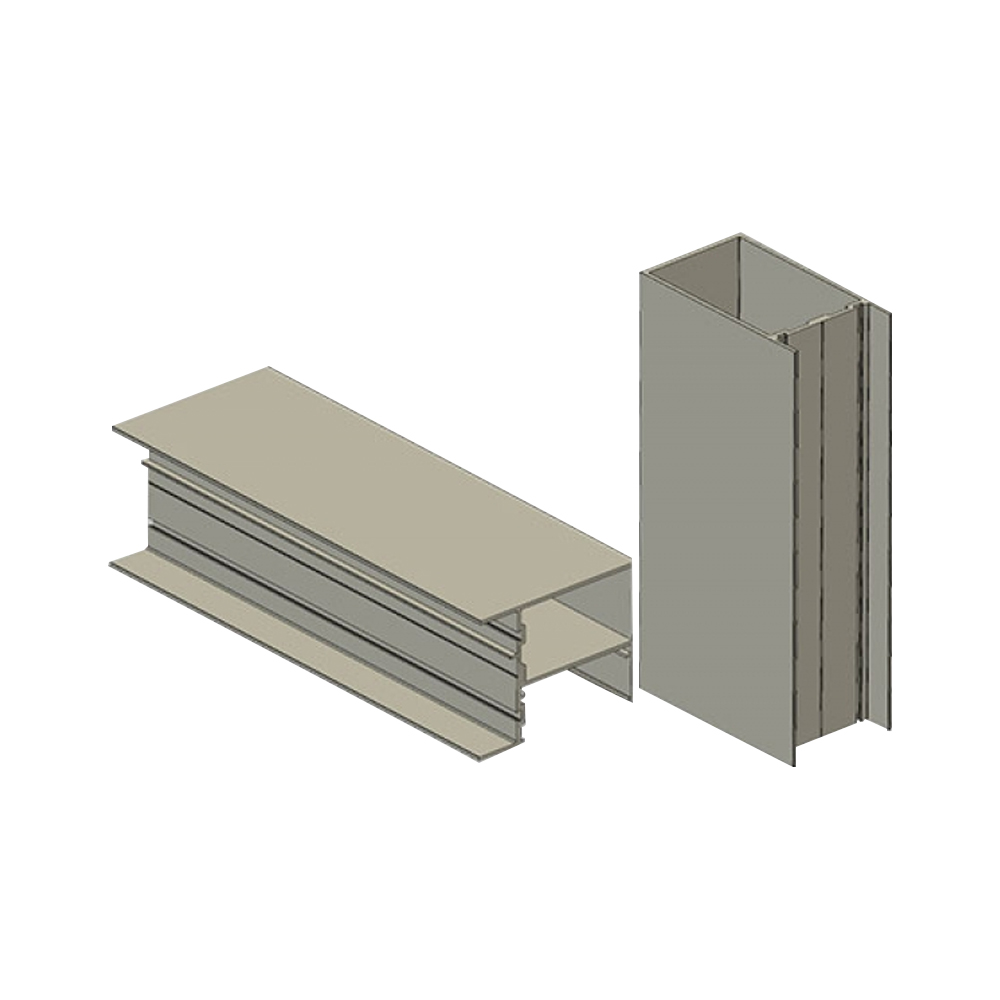
For frames used in assembly lines and material handling systems, engineers rarely need exotic alloys. They need straight, dimensionally consistent sections. That is why many specifiers standardise on industrial aluminium extrusion profiles produced to tight tolerances and available in a range of standard sizes.
 Industrial Aluminum Extrusion Profiles Suppliers, Custom FactoryAs Industrial Aluminum Extrusion Profiles Suppliers and Industrial Aluminum Extrusion Profiles Factory in China, Jianbang offer Custom In...View Product →
Datasheets list strength and elongation, but they do not show how an alloy behaves during welding, anodizing, or bending. The table below compares common extrusion alloys used across aluminium extrusion industries, with typical yield strength ranges.
In practice, a higher strength alloy is not always the best choice. If the profile must be curved or anodized, a moderate alloy such as 6063 may produce a better surface and a lower total cost.
Across aluminium extrusion industries, demand is concentrated in building and construction, automotive, and new energy. Construction remains the largest segment because curtain walls, window frames, and structural sections depend on extruded aluminium. Automotive and new energy have become the fastest-growing areas as manufacturers switch to lightweight structures.
Energy storage is a particularly interesting application because battery pack frames combine thin walls, high stiffness, and tight assembly tolerances. Many manufacturers now rely on aluminium profiles for energy storage battery packs to meet both structural and thermal targets.
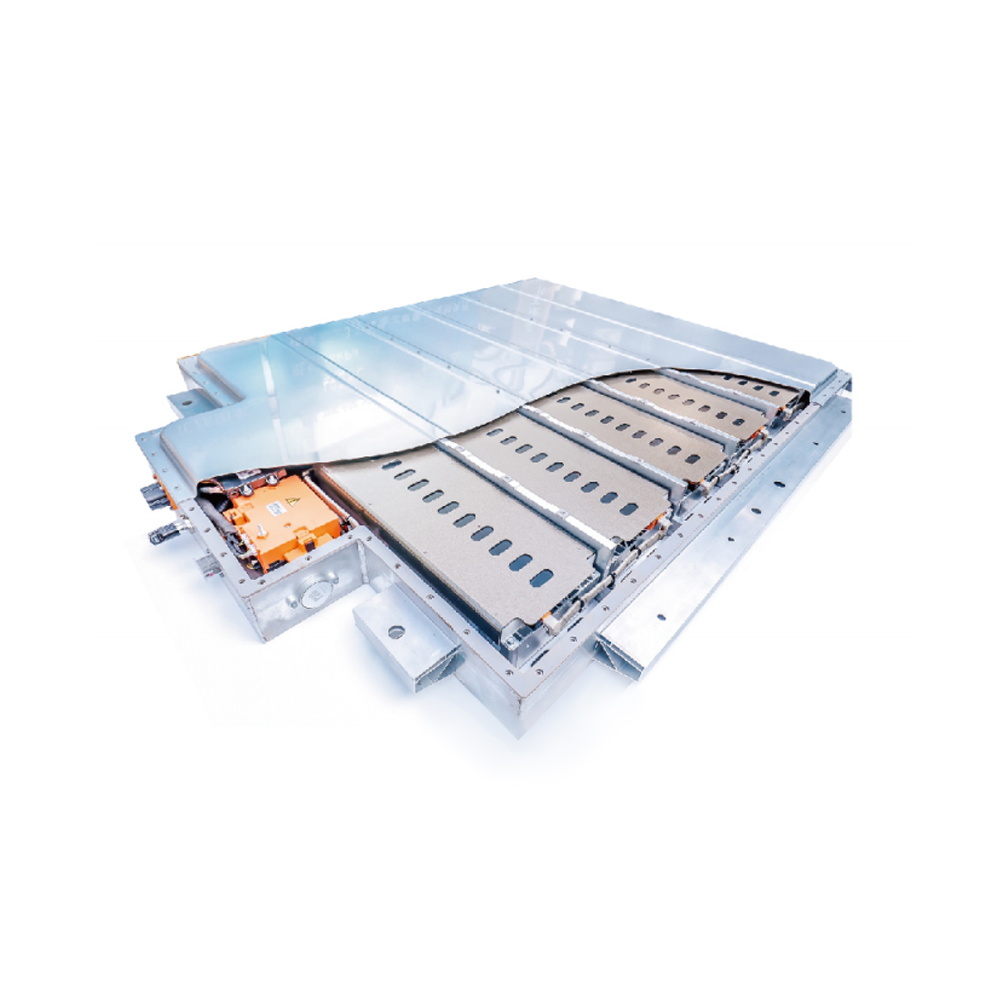 Aluminium Extrusion for Energy Storage Battery Pack Manufacturers, Factory - JiaJianbang is Aluminium Extrusion for Energy Storage Battery Pack Manufacturers and Factory in China, Custom Aluminium Extrusion for Energy...View Product →
For a broader view of the automotive shift, see how aluminium extrusion is being adopted in automotive and new energy vehicles.
A structured sourcing process prevents expensive surprises. The following workflow works for most aluminium extrusion programmes, from simple architectural sections to complex automotive components.
Decide whether the profile will carry structural loads, face outdoor exposure, or require frequent cleaning. This narrows the alloy and temper.
Use the data table above. Do not specify a higher strength alloy than needed if the main requirement is surface quality or weldability.
Involve the die maker early. Wall thickness uniformity and the position of die lines change the achievable tolerances and final cost.
Inspect straightness, twist, surface finish, and hardness before approving. A vertically integrated aluminium extrusion supplier can iterate quickly because design, die, extrusion, and testing are under one roof.
Coordinate anodizing, powder coating, cutting, and CNC with the extrusion schedule. For drilled, milled, or tapped parts, ask whether the same system can run automotive parts CNC machining.
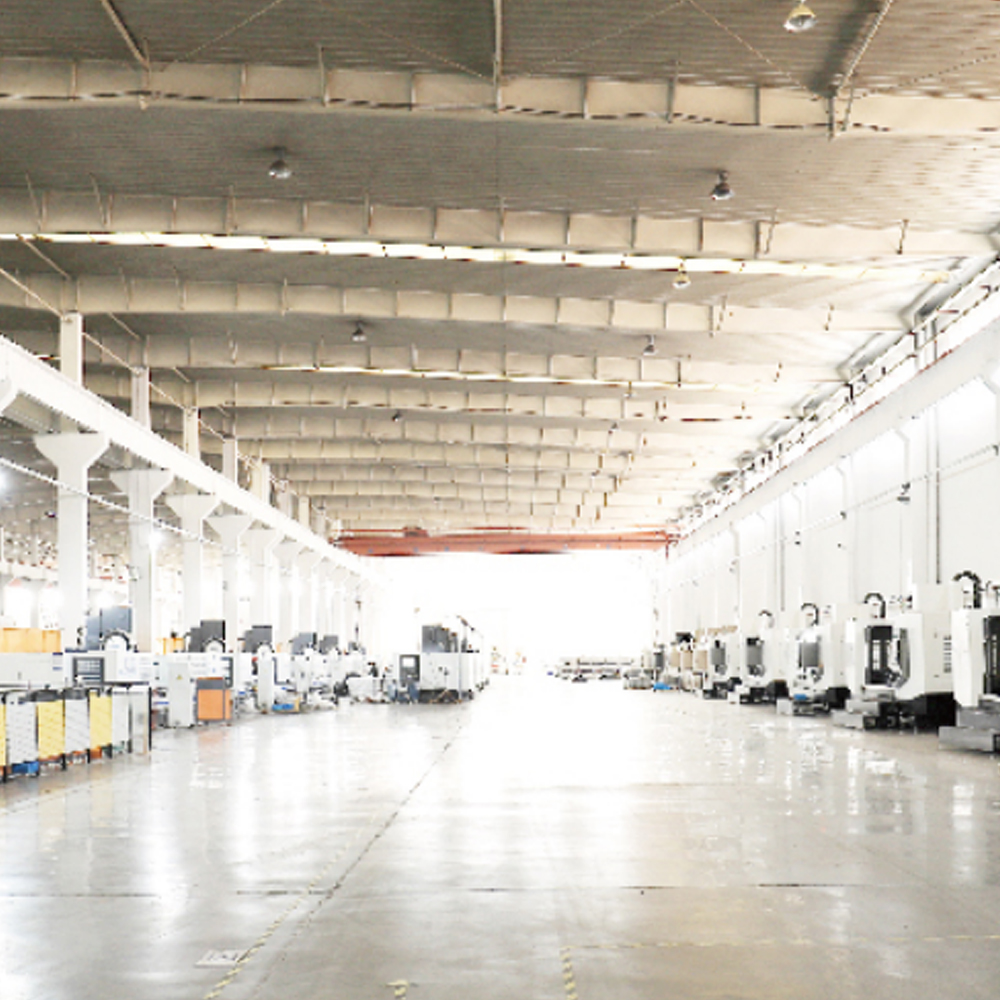 Automotive Parts CNC Machining Manufacturers, Factory - Jiangyin Jianbang AluminJianbang is Automotive Parts CNC Machining Manufacturers and Factory in China, Custom Automotive Parts CNC Machining online, Automotive P...View Product →
Align packaging, stock programs, and material traceability before production ramps up.
Aluminium profiles are often maintained only when a coating begins to fade or a window frame starts to leak. In outdoor applications, everyday pollution and salt deposits can reduce the life of an anodized or powder-coated surface. The most effective maintenance program is simple: clean with mild detergent and water at regular intervals, avoid abrasive pads, and inspect gaskets and drainage holes in curtain wall sections.
For industrial and structural projects, compliance matters just as much as maintenance. Reference standards such as EN 755 or ASTM B221 define dimensional tolerances and mechanical properties for extruded aluminium. Automotive customers may require IATF 16949 and PPAP documentation. New energy and e-mobility projects often need full traceability from the billet cast lot to the extrusion batch. A capable extrusion partner should be able to provide material certificates, surface finish records, and inspection reports without making them a special request.

Copyright © 2025 Jiangyin Jianbang Aluminium Co., Ltd.
All Rights Reserved.
 Aluminum Extrusion Manufacturers
Aluminium Profile Suppliers
Aluminum Extrusion Manufacturers
Aluminium Profile Suppliers