English
 日本語
日本語 한국어
한국어
Home / Blog / Indusrty News / Aluminium Profile Extrusion: Process, Alloys, Applications & Supplier Selection
Indusrty News
Every few weeks, a procurement engineer opens three quotes for the same 6063-T5 aluminium profile: identical drawing, identical alloy, identical temper, and prices that differ by 15 percent. The cheapest quote usually fails the anodizing check or arrives with visible bow. Aluminium profile extrusion is a mature process, but the distance between a compliant profile and a costly reject is decided long before the profile is packed.
Content
Aluminium profile extrusion presses a preheated billet through a shaped die to create a continuous cross-section. In direct extrusion, a hydraulic ram pushes the billet at 450–500 °C through a hardened steel die; the metal exits as a profile, is quenched, stretched, cut, and then artificially aged to reach the specified temper. The sequence sounds simple, yet each step controls a different quality attribute.
Die geometry determines dimensional accuracy, surface finish and metal flow. A poorly balanced die causes twist, die lines and wall-thickness variation.
6xxx alloys dominate extrusion because they balance strength, corrosion resistance and anodizing behaviour. Temper sets the final mechanical properties.
Quenching rate and aging time control hardness and yield strength. Inconsistent aging shows up as uneven hardness across a production batch.
Post-extrusion stretching removes twist and bow. Without it, long profiles wander out of tolerance during machining or installation.
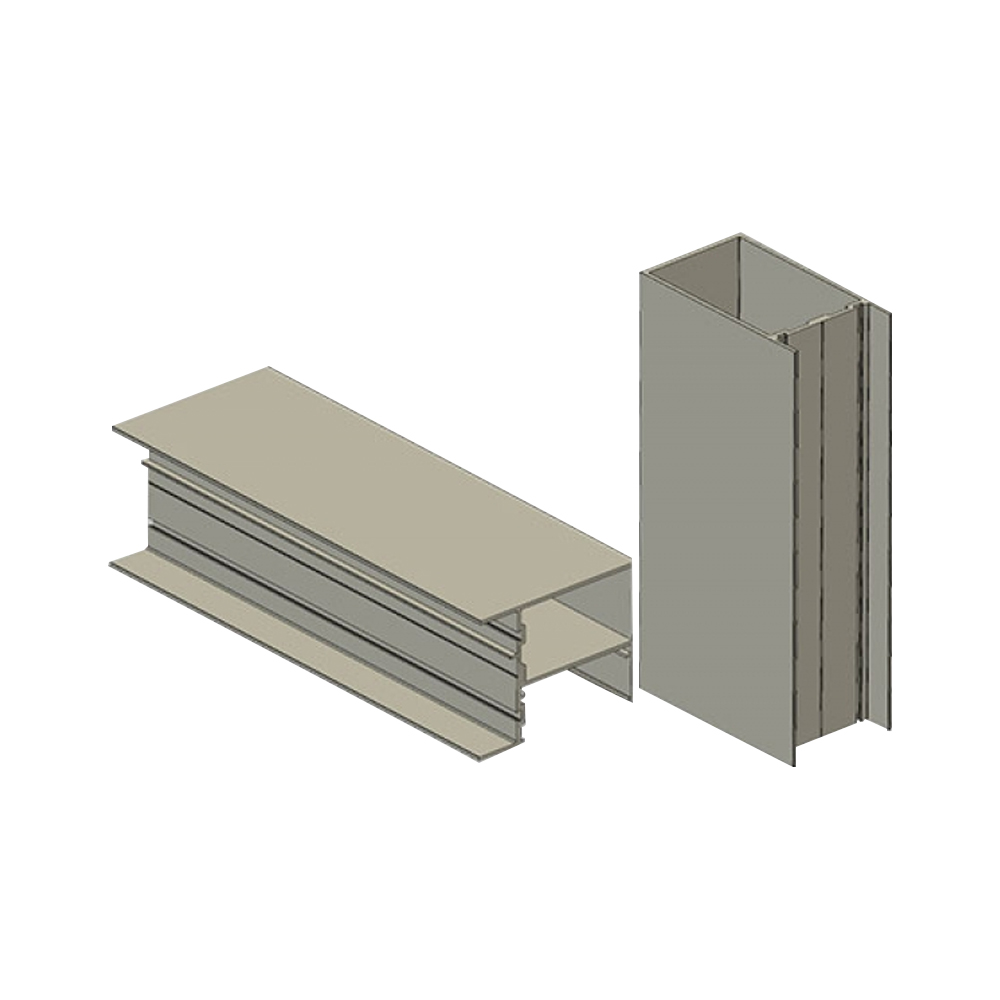 Aluminium Alloy Selection Guide for Extruded ProfilesCompare the most commonly specified 6xxx-series alloys for architectural, automotive, industrial, and new-energy profiles, with practical insights into extrudability, anodizing, and weldability to help you choose the right material.View Product →
Most commercial extruded profiles use 6xxx (Al-Mg-Si) alloys because they extrude well, anodize acceptably and can be welded. The table below compares the alloys most frequently specified for architectural, automotive, industrial and new-energy profiles.
Selection rule: choose 6060 or 6063 for visible architectural surfaces; move to 6005A or 6061 for structural sections; pick 6082 when loads are high and the part will be extensively machined or welded.
Yield strength is the number on the datasheet, but real-world performance depends on indicators that are rarely quoted. Straightness and twist tolerances, defined in EN 755-9, determine whether a six-metre profile can feed through a CNC line without clamping problems. Hardness consistency across a batch tells you whether aging was uniform. Die lines and flow streaks only appear after anodizing, so the inspection gate should include a trial anodized sample.
Practical thresholds: for profiles longer than three metres, ask for bow below 1.5 mm per metre and twist below one degree per metre unless the drawing specifies tighter values. For anodized surfaces, require a first-article anodizing sample to reveal die lines before mass production. For machined components, confirm that straightness is measured after stretching, not immediately after sawing.
Demand for extruded aluminium is spread across several sectors, and the mix has shifted as new-energy applications scaled up. The chart below shows an approximate distribution of extrusion profile consumption by end-use sector.
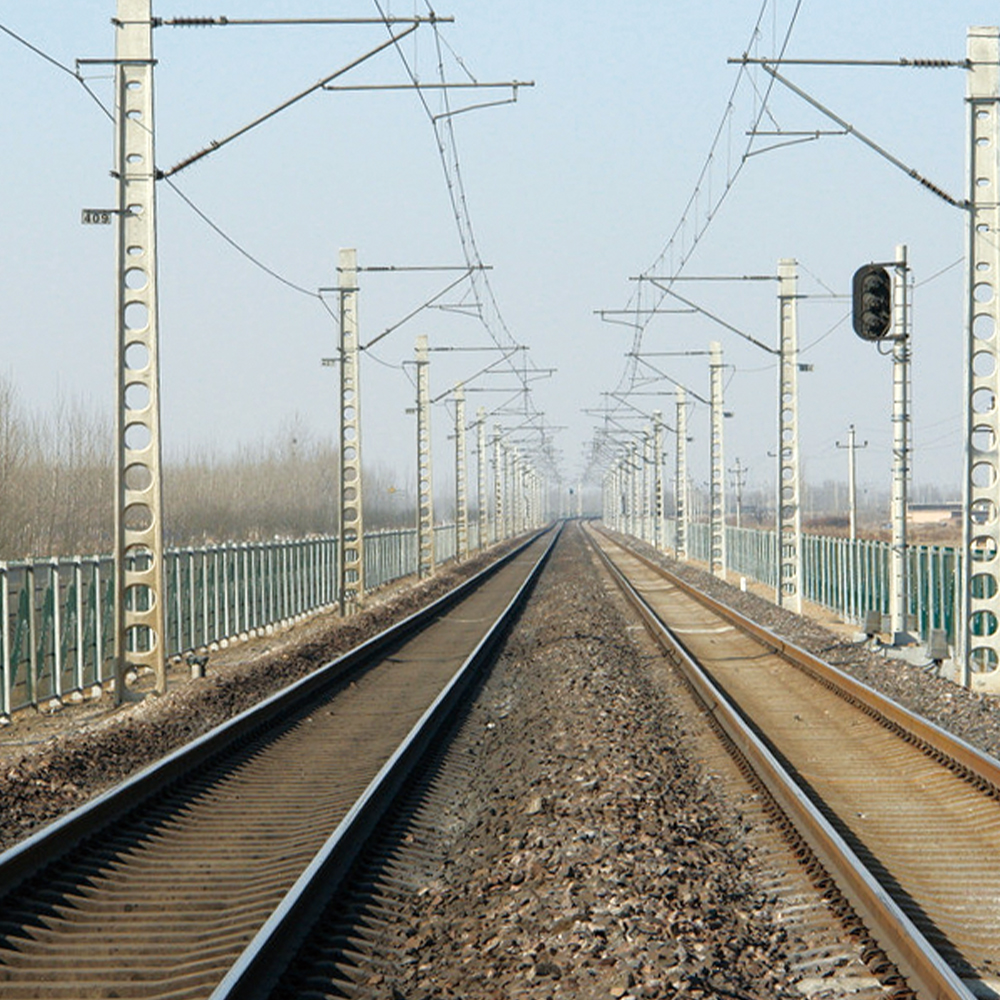
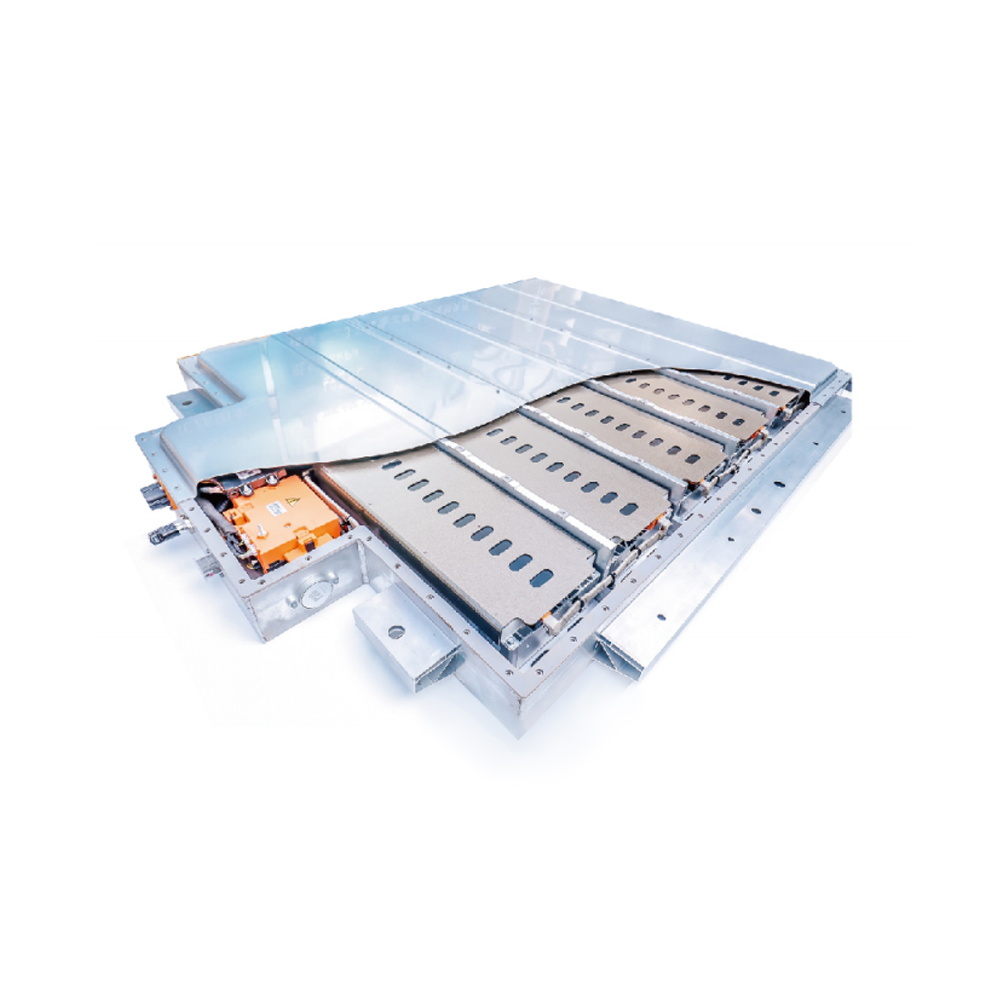
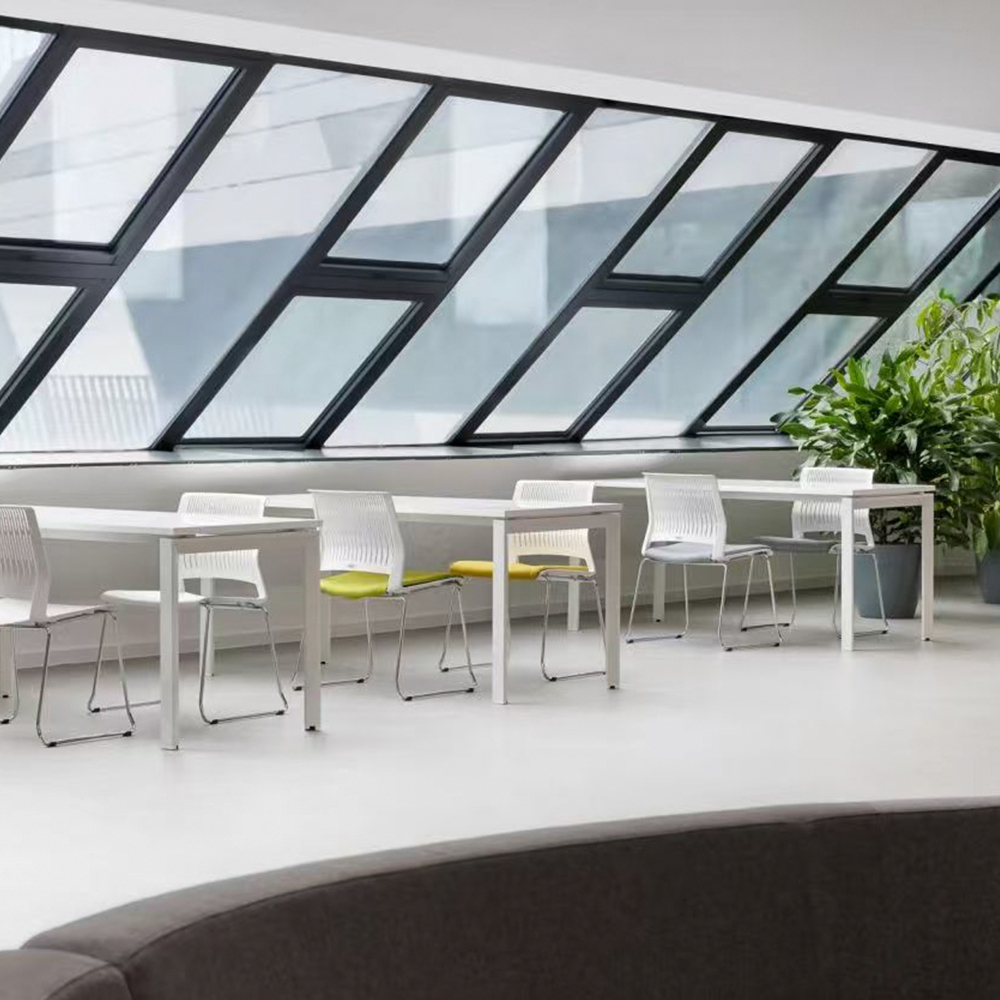
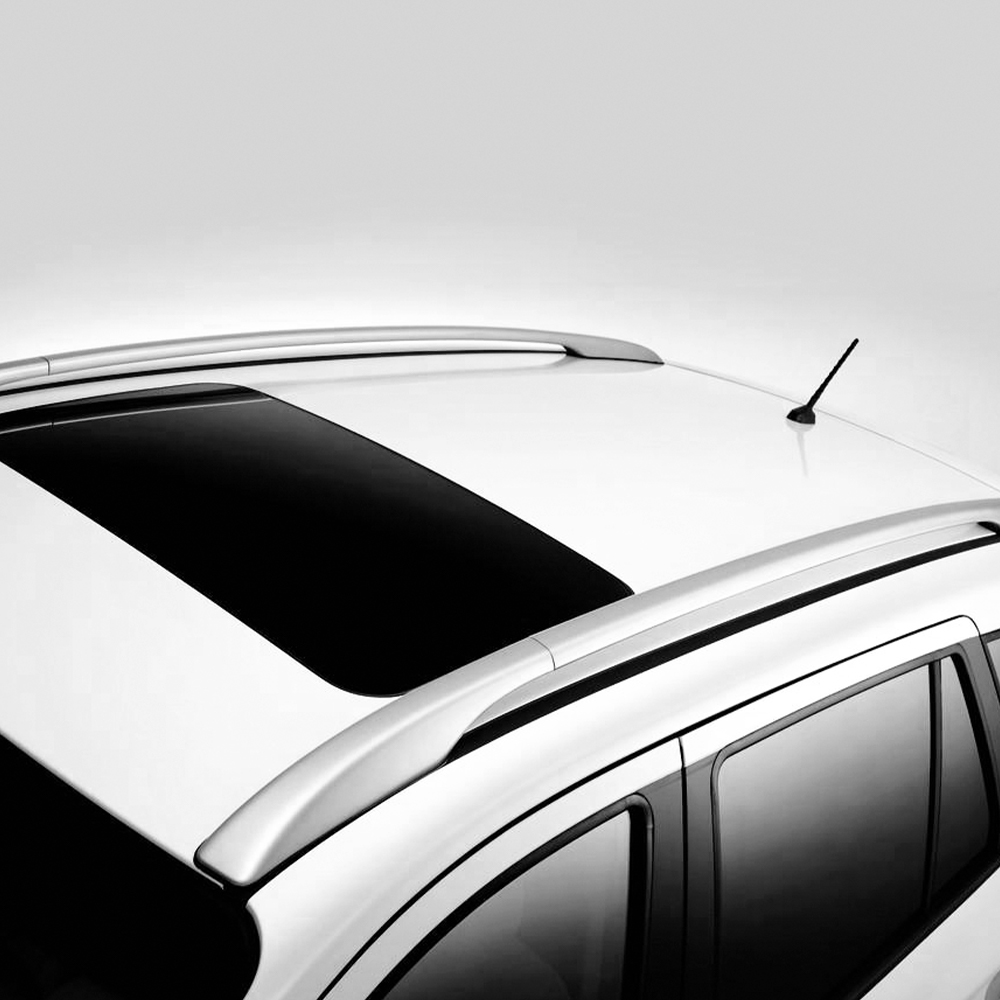
Architectural profiles — curtain walls, windows, doors, fences and scaffolding — remain the largest single block. Automotive demand has grown beyond simple trim to structural profiles for battery housings, roof racks and pedal systems; the shift towards aluminium extrusion profiles in automotive and new-energy vehicles is a direct answer to weight-reduction targets. Solar mounting brackets and battery-pack frames have become a separate procurement category with their own tolerances and corrosion requirements.
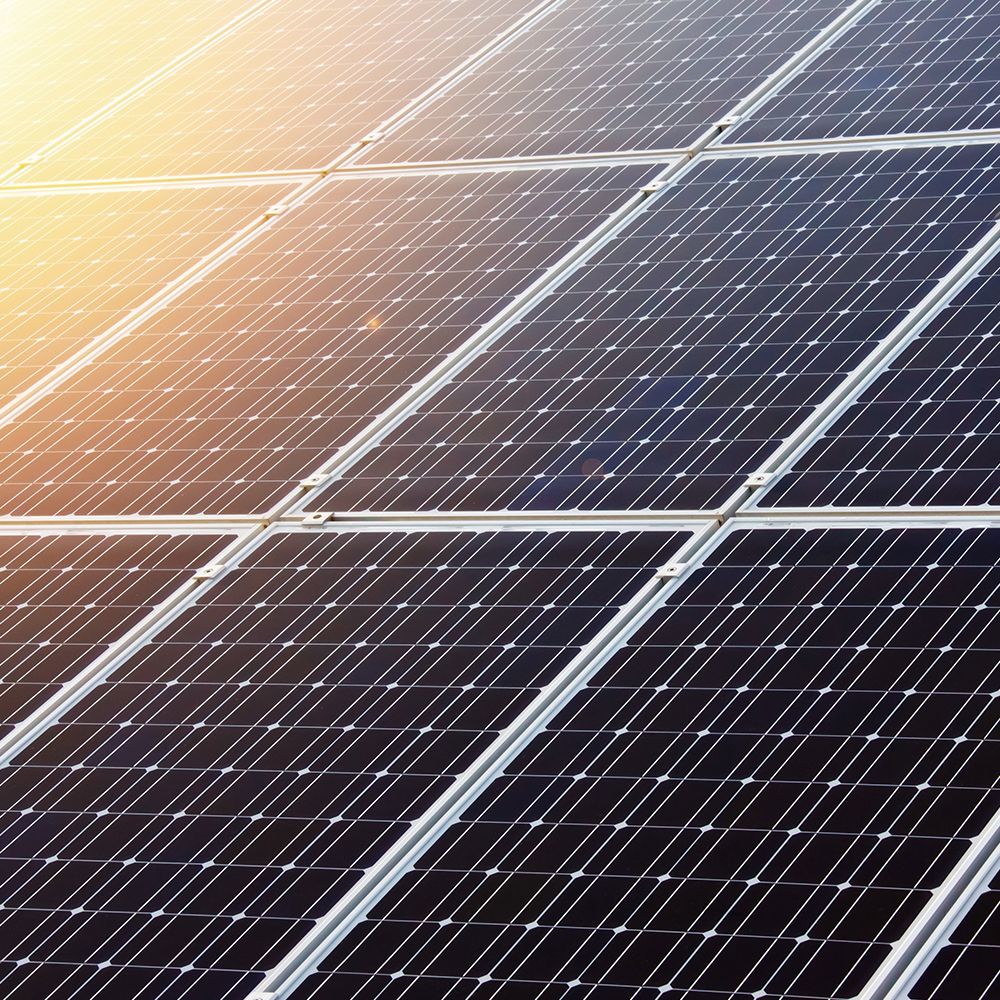 Specialized Suppliers for New Energy Aluminum ExtrusionsThis supplier focuses on profiles for solar mounting and battery pack frames, where tight tolerances and corrosion resistance are critical—distinct from architectural or automotive requirements, making them worth evaluating for renewable energy projects.View Product →
For each sector, the supplier's sector experience matters as much as press capacity. A profile that performs well on a solar farm will not automatically meet the surface requirements of an architectural facade.
A structured workflow keeps the project under control whether you order a small prototype or a multi-tonne series.
Static or dynamic loads, outdoor exposure, chemical contact, operating temperature.
Balance strength, weldability, finishing quality and budget with the comparison above.
Keep wall thickness uniform; avoid long unsupported fins and sharp internal corners.
Reference EN 755-9 for dimensions and state the anodizing or powder-coating class explicitly.
Inspect the first pieces for dimensions, straightness, surface texture and an anodized sample.
Check hardness traceability, finish consistency and packaging quality before shipment.
Die trial is the step that most buyers skip. Since the die tool defines the profile, a supplier with an in-house die workshop can react to geometry issues faster, which directly shortens lead time. Plant scale also matters: a supplier with multiple extrusion lines and a large annual capacity can schedule die trials and production batches with more flexibility.
In many projects, profiles are only the starting point: CNC machining adds holes, slots and mating surfaces, and assembly services turn a bundle of profiles into a ready-to-install component.
 Integrated Aluminum Deep Processing and Assembly ServicesBeyond raw profiles, this supplier offers CNC machining, surface treatment, and assembly in one place, which can reduce transport damage and documentation complexity—key for projects needing ready-to-install components.View Product →
Finally, verify that the supplier can manage the steps beyond extrusion. Many project delays start when profiles need machining, surface treatment or assembly at different vendors. An integrated partner reduces transport damage and documentation complexity. You can review our company history and production scope on the about page to confirm such capabilities before placing an order.

Copyright © 2025 Jiangyin Jianbang Aluminium Co., Ltd.
All Rights Reserved.
 Aluminum Extrusion Manufacturers
Aluminium Profile Suppliers
Aluminum Extrusion Manufacturers
Aluminium Profile Suppliers