English
 日本語
日本語 한국어
한국어
Home / Blog / Indusrty News / Aluminium Track Extrusions: Alloy, Tolerance and Profile Selection Guide
Indusrty News
An assembly-line integrator once rejected 600 metres of 40-series T-slot track because the slot opening had drifted to 8.35 mm against an 8.20 mm nominal. The brackets still slid along the profile, the anti-backlash cams did not seat, and six stations had to be reworked on site before the line could be signed off.
Track extrusions rarely fail on strength. They fail on slot geometry, straightness and temper consistency. Get those three right and a profile will outlast the machine it is bolted to. Get them wrong and no alloy upgrade will rescue the project.
Specify the slot system and the tolerance class before you name an alloy, then lock straightness per metre and anodising thickness into the purchase order. Those four numbers decide fit, wear life and rework cost. Everything else in the specification is secondary.
Content
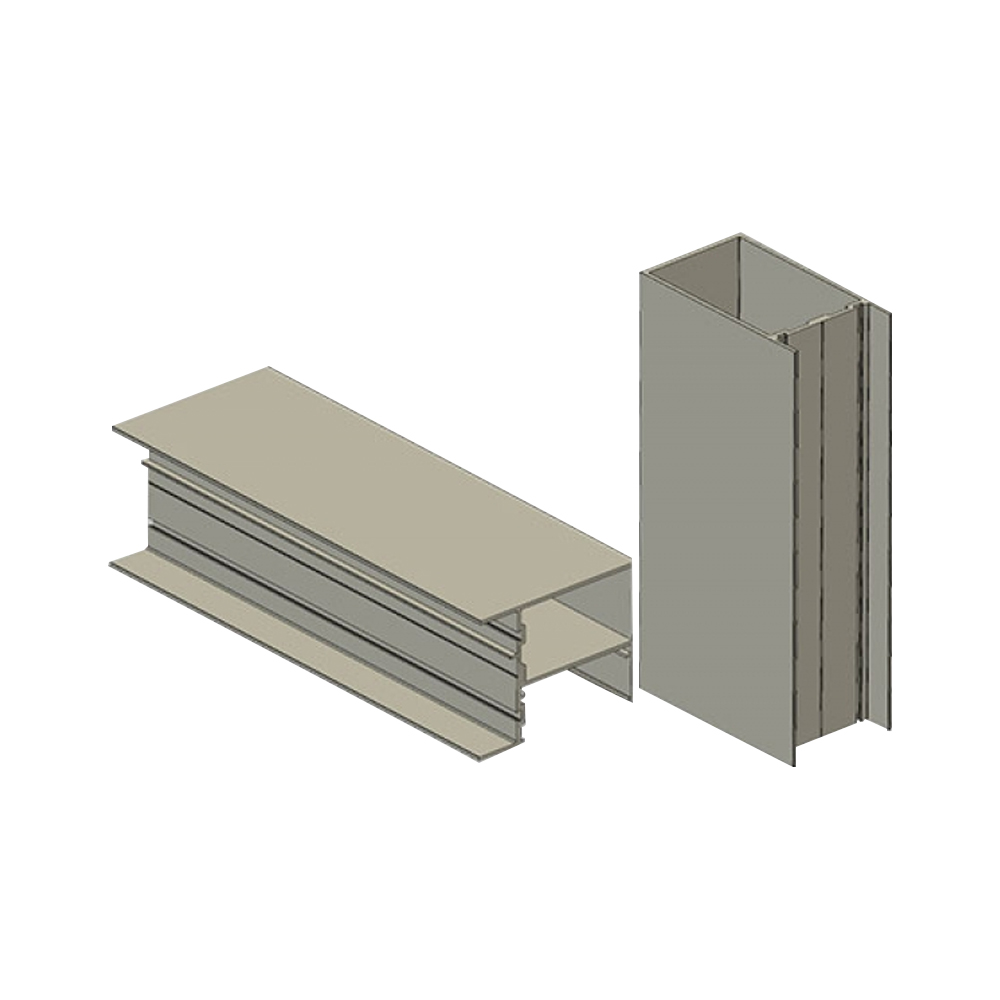
A track extrusion is a hollow or semi-hollow profile whose main job is to guide, carry or clamp something along a linear path. The family is broader than the T-slot framing most engineers picture: window and sliding-door tracks, curtain rails, conveyor guide rails, rail-transit seat rails, roof-rack channels and battery-pack carriers all sit in the same category.
The default choice. It extrudes quickly, anodises evenly and machines cleanly, and it covers most framing, furniture and architectural track work.
Noticeably stronger with good extrusion quality. The usual pick for rail transit, long unsupported spans and automotive structural tracks.
Higher strength again, but complex slot geometry is harder to fill and anodising can look patchy. Reserve it for machined carriages rather than long tracks.
A supplier that owns its die shop, its presses and its anodising tanks can adjust a slot dimension without a third party in the loop, which matters when a prototype is re-cut twice before approval. Our plant profile explains how those stages connect under one roof.
The figures below are typical for commercial extrusion. Confirm the actual values on the mill certificate for each heat before releasing a drawing, because temper windows move between presses and profile shapes.
On a cut, anodised, ready-to-fit track extrusion, the metal itself is close to half the invoice. That single fact drives most of the purchasing decisions worth making.
Two consequences follow. A one percent move in billet price outweighs a five percent move in the anodising line, so negotiate the metal and the scrap allowance before chasing coating discounts. And a tolerance miss is the most expensive line item of all: a rejected lot has already consumed metal, coating and freight, and reworking it typically adds eight to fifteen percent to the effective unit cost.
Across a mixed industrial order book, demand for track profiles splits roughly like this.
Industrial automation is the largest single block, and it behaves differently from the rest. Buyers reorder on a monthly cadence from the same drawing, so repeatability of the slot and the coating matters far more than the lowest price on the first order.
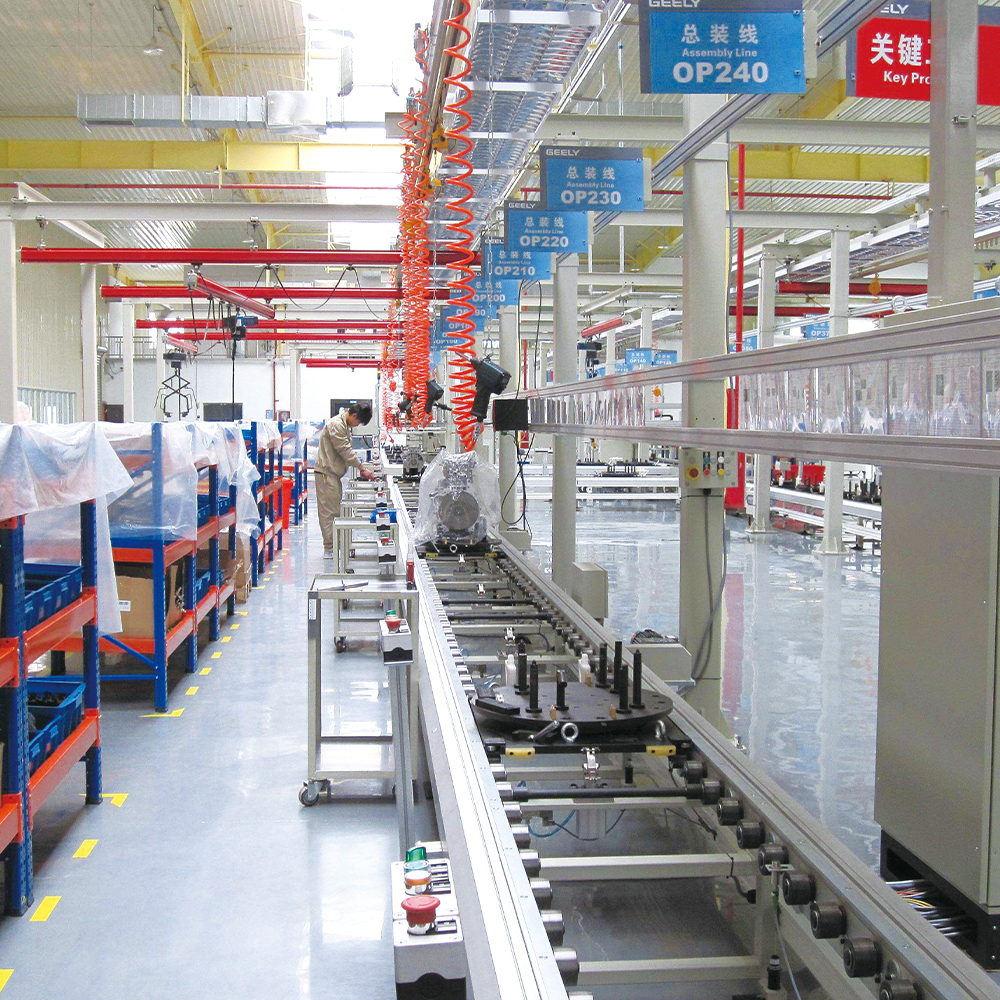 Industrial Assembly Line Aluminum ProfilesIndustrial Assembly Line Aluminum Profiles are the backbone of modern manufacturing, providing a lightweight, durable, and highly flexible solution for efficient produ...View Product →
Rail transit sits at the other end. Volumes are low, qualification is long, and a profile approved for a programme usually stays unchanged for years.
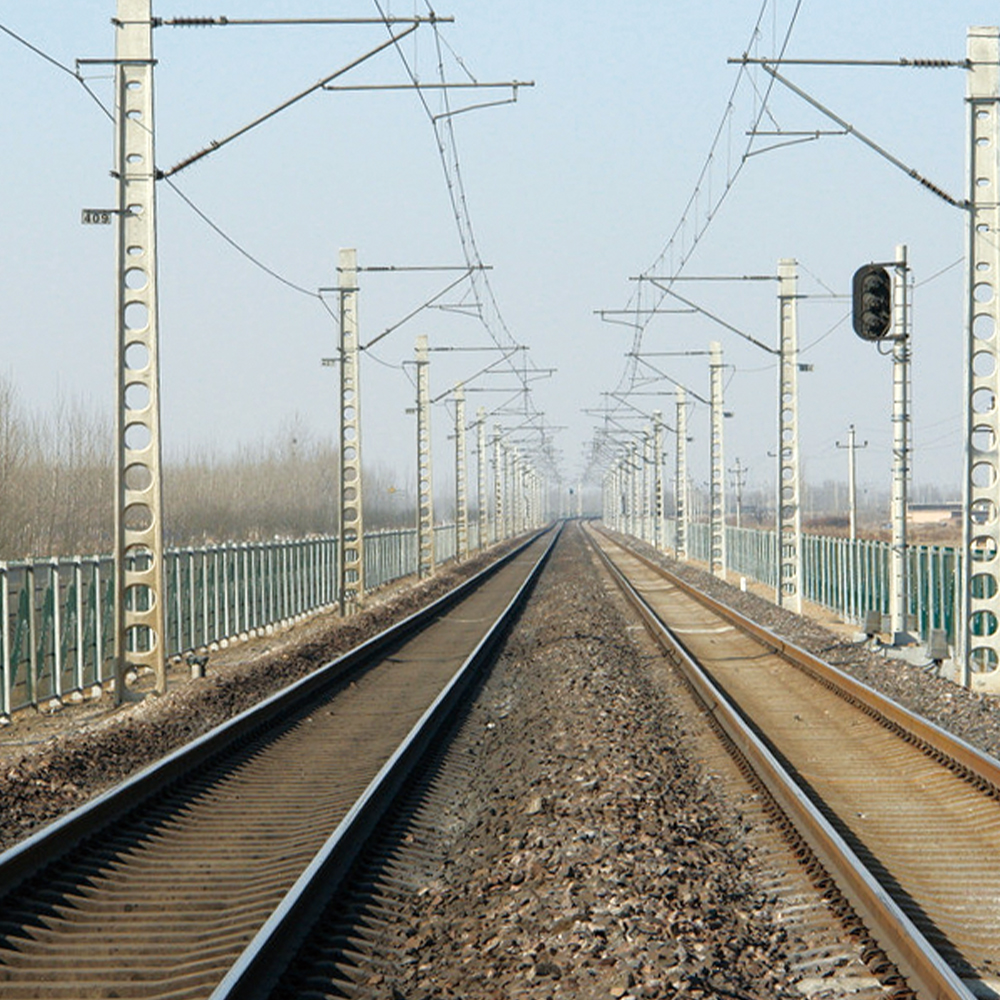
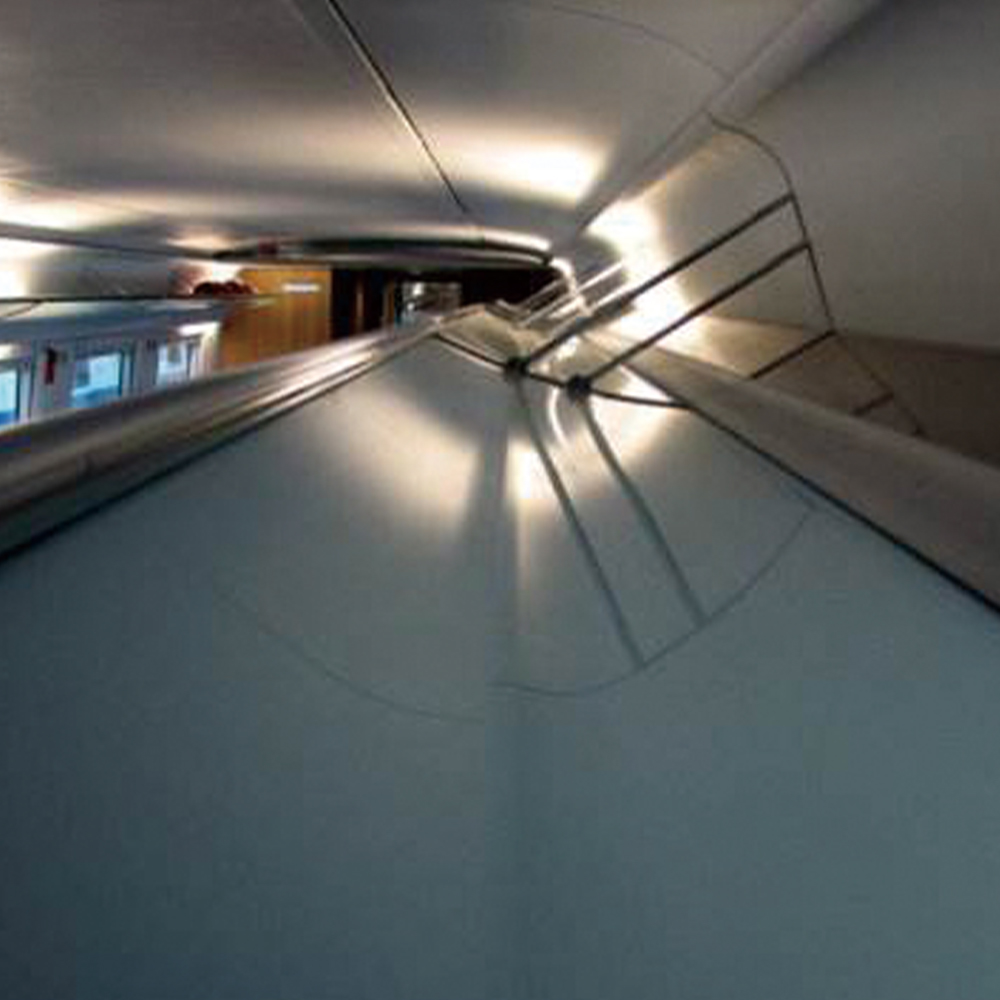 Aluminium Rail Transit ProfilesHigh-speed train conductor rail, door motor beam profile, grating profile, shielded gatepanel, luggage rack etc. Aluminum Rail Transit Profiles are engineered to redef...View Product →
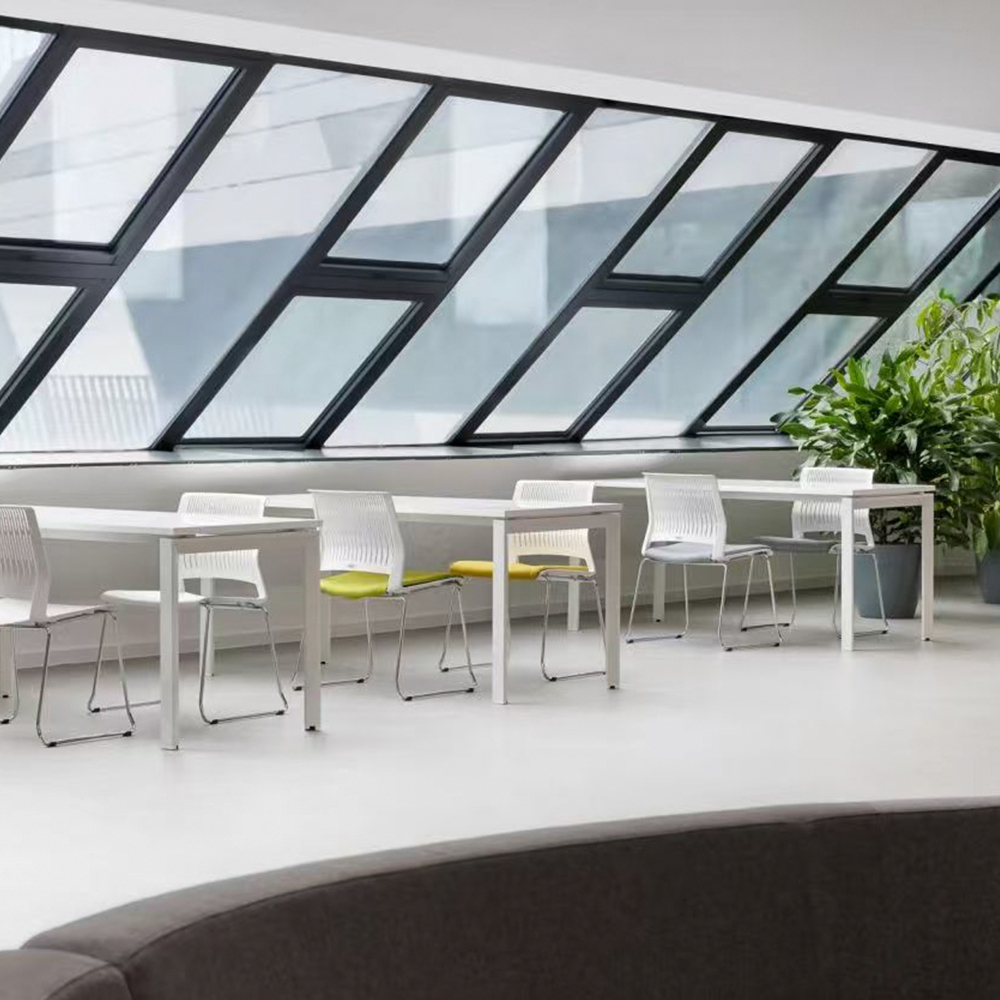
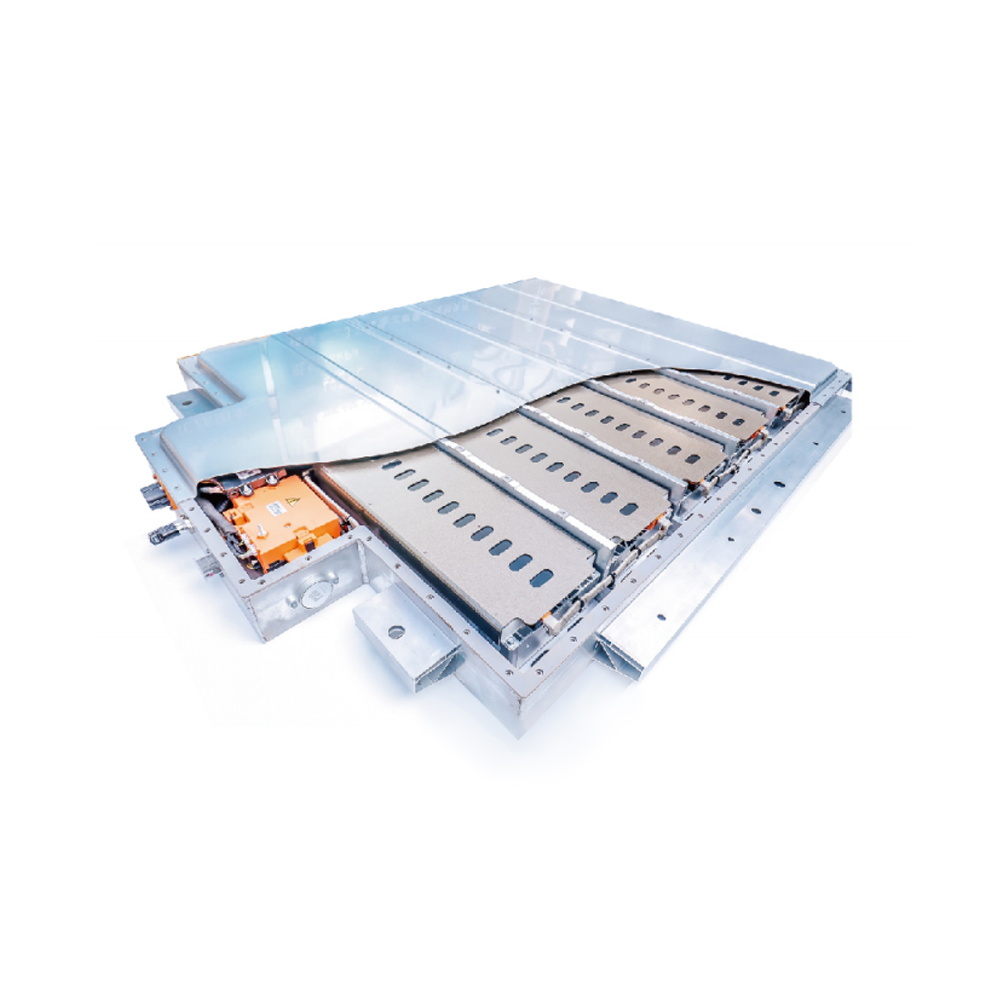
Building and energy applications fall in between. Window and sliding-door tracks compete on price and finish, while photovoltaic mounting and battery-pack profiles are judged on dimensional consistency and corrosion performance over a service life measured in decades.
Start with the worst-case load and the unsupported length. A 3 kg carriage over 1.5 m and a 40 kg carriage over 4 m will not use the same profile, whatever the catalogue implies.
20-series for light frames and enclosures, 40-series for machine guards and workstations, 45-series or a dedicated rail profile for carriages that move daily under load.
Only now, once the geometry is settled. Long spans and dynamic loads justify 6005A-T6; framing and architectural tracks are well served by 6063-T5.
General commercial tolerances suit framing. Guided carriages and rail-transit profiles need tighter slot control and 0.5 mm per metre straightness, measured over the full length rather than on a sample.
Anodising at 10 to 12 micrometres is enough indoors; 15 micrometres or more is worth specifying outdoors or in humid plants. Where a carriage slides daily, add a liner or hard anodising rather than trusting a decorative coating.
Mill lengths, cut-to-size, machined or assembled. Profiles that go straight into a machining cell save handling, but only if the drawing already carries the datum and the machining allowance.
Track profiles that move straight into machining need the datum, the clamping face and the allowance agreed before the die is cut. The same principle is set out in our note on industrial aluminium profiles in CNC machining.
A dedicated track die typically costs between 1,500 and 4,000 US dollars depending on size and complexity, and it is usually amortised over the first order rather than charged again on repeats.
The arithmetic is simple. If a custom track replaces two standard profiles plus a machined spacer, the saving in assembly time alone often repays the die within three to five tonnes of output. Below that volume, standard profiles with machining are normally cheaper; above it, a dedicated die gives you control over the slot, the wall and the finish in a single part.
 Aluminum Extrusion Mold Customization SuppliersCustom aluminum extrusion molds provide unmatched precision, allowing manufacturers to achieve complex geometries with tight tolerances. Unlike standard molds, which m...View Product →
Documentation is where many projects quietly fail. A supplier that can trace a heat number back to the press and the anodising batch will settle a dispute in days rather than weeks, and that traceability is worth more than a small price difference on the order.
Put four numbers on the drawing: the slot opening, the wall thickness, the straightness limit and the coating thickness. Everything else in the specification can be discussed with your supplier. Those four decide whether the track works when it arrives on site.

Copyright © 2025 Jiangyin Jianbang Aluminium Co., Ltd.
All Rights Reserved.
 Aluminum Extrusion Manufacturers
Aluminium Profile Suppliers
Aluminum Extrusion Manufacturers
Aluminium Profile Suppliers