English
 日本語
 한국어
Home / Blog / Indusrty News / aluminum tube extrusion: Applications, Selection Criteria, and Practical Guidance
Indusrty News
A 40 mm OD aluminum tube that runs 0.12 mm under the specified wall can scrap an entire batch after anodizing, machining, or pressure testing. That is why buyers should not treat aluminum tube extrusion as a commodity line item. The process choice, die design, alloy temper, and tolerance stack decide whether the tube assembles cleanly and survives the service load.
Conclusion: For constant cross-section tubes, extrusion usually gives the best balance of tooling cost, length, shape freedom, and lead time. Choose drawn tube when you need tighter concentricity or a smoother ID/OD; choose seamless extruded tube when pressure tightness and seam-free walls matter more than price. The real cost driver is not the billet alone. It is scrap, die correction, finishing yield, and inspection.
Aluminum tube extrusion begins with a heated billet pushed through a steel die. Hollow sections are formed with a porthole die and weld chamber, or with a mandrel for seamless tube. The profile exits, is quenched, stretched, cut, and aged. Each step leaves a signature on wall thickness, straightness, twist, and surface finish.
Content
Aluminum tube extrusion is a hot forming process for round, square, rectangular, and custom hollow profiles. Billets of 6063, 6061, 6005A, or 6082 are heated, forced through a die, quenched, and aged to temper. For tube buyers, the advantage is a single continuous profile with integrated features: internal ribs, mounting tracks, screw bosses, and asymmetric cavities.
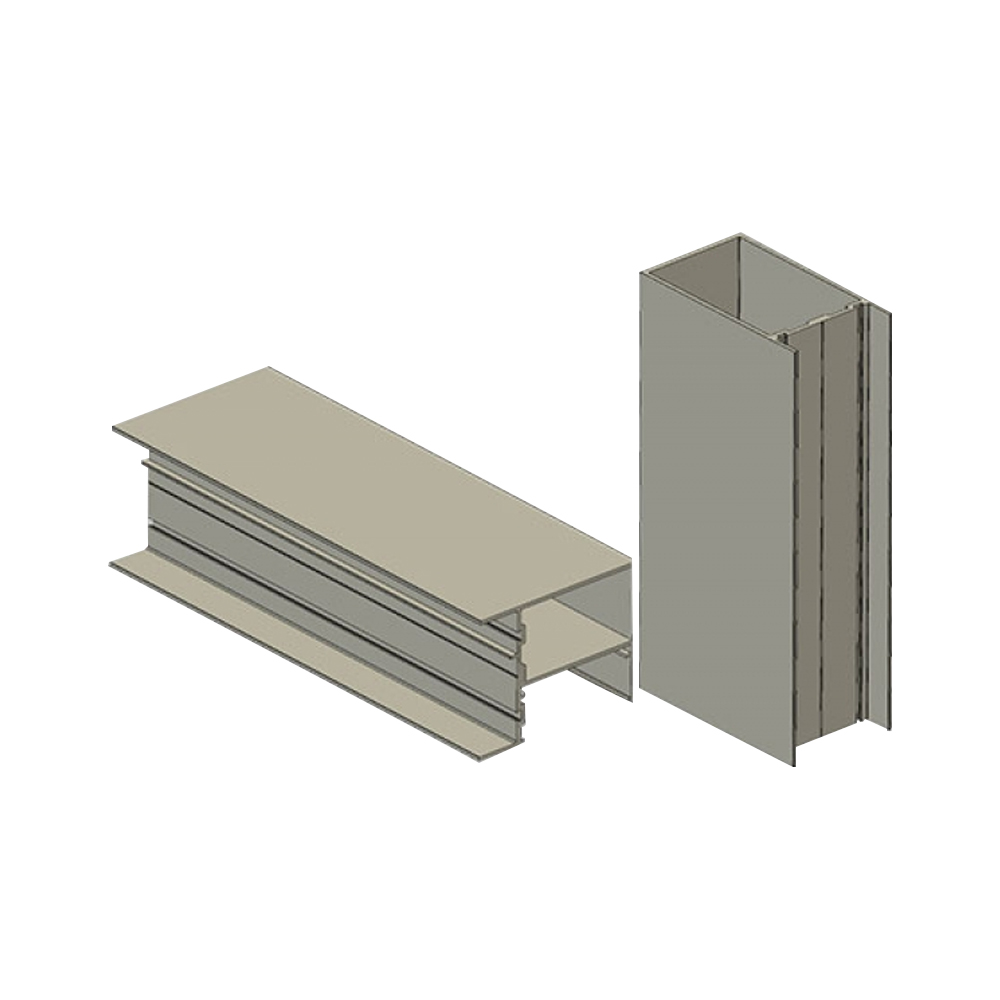 Aluminum Extrusion Profiles for Architecture and IndustryCompare alloy and temper options for round, square, and custom hollow profiles used in architectural and industrial applications.View Product →
Alloy choice sets the ceiling on strength and finish. 6063 is common for architectural and thin-wall tubes because it extrudes at lower pressure and takes anodizing well. 6061 and 6082 suit structural parts that need higher yield strength and machining stability. Temper matters too: T5 is press-quenched and aged; T6 adds solution heat treatment and aging for higher strength.
Thin walls save weight, but they narrow the process window. Below roughly 0.8-1.0 mm, wall uniformity, die bearing, and quench control become critical.
Cross-section tolerance, wall tolerance, straightness, and twist must be specified together. A drawing that gives only OD and ID can still produce a part that will not fit.
Anodizing, powder coating, and machining each add handling risk. Specify the finish after extrusion and before assembly, or plan machining stock accordingly.
A tube die is not a simple hole. The bearing length controls metal flow; the weld chamber in a porthole die controls seam quality; the mandrel controls ID and wall. If the bearing is unbalanced, the profile can run thin on one side, twist after stretching, or show die lines after anodizing. Good suppliers correct the die before chasing press speed.
 Custom Aluminum Extrusion Mold ToolingCustom extrusion tooling for complex geometries and tight tolerances, with die correction and first-article dimensional reporting for consistent profiles.View Product →
Ask for a dimensional report on the first article and a die-correction record if the profile has multiple cavities or thin walls.
Extruded tube is usually the lower-cost route for custom hollow shapes. Drawn tube is made by pulling a hollow or extruded shell through a die and mandrel to reduce OD/ID and improve concentricity. Seamless extruded tube uses a mandrel rather than a porthole weld chamber, so it avoids a longitudinal weld seam. The table below gives a practical planning view, not a substitute for a mill standard.
Caption: Use this comparison as a starting point; final selection should follow the drawing, pressure test, and applicable standard.
Two suppliers can quote the same tube and land 15-25% apart after tooling, yield, and freight. The gap is rarely the aluminum price alone. It sits in the process window. The indexed chart below shows where custom tube programs usually lose margin when the specification is loose.
Tolerance control
index 100
Scrap and recovery
index 78
Die correction
index 64
Finishing yield
index 50
Packing and freight
index 36
A 1% scrap reduction on a 20-ton order is worth more than a small billet discount. Tight wall tolerance can raise extrusion cost, but it may remove machining and straightening later. The right trade is the one that lowers total landed cost, not the one that wins the per-kilo quote.
Demand clusters around applications where hollow sections save weight and assembly time. The pie chart is an illustrative planning view of typical industrial tube demand, not a market forecast.
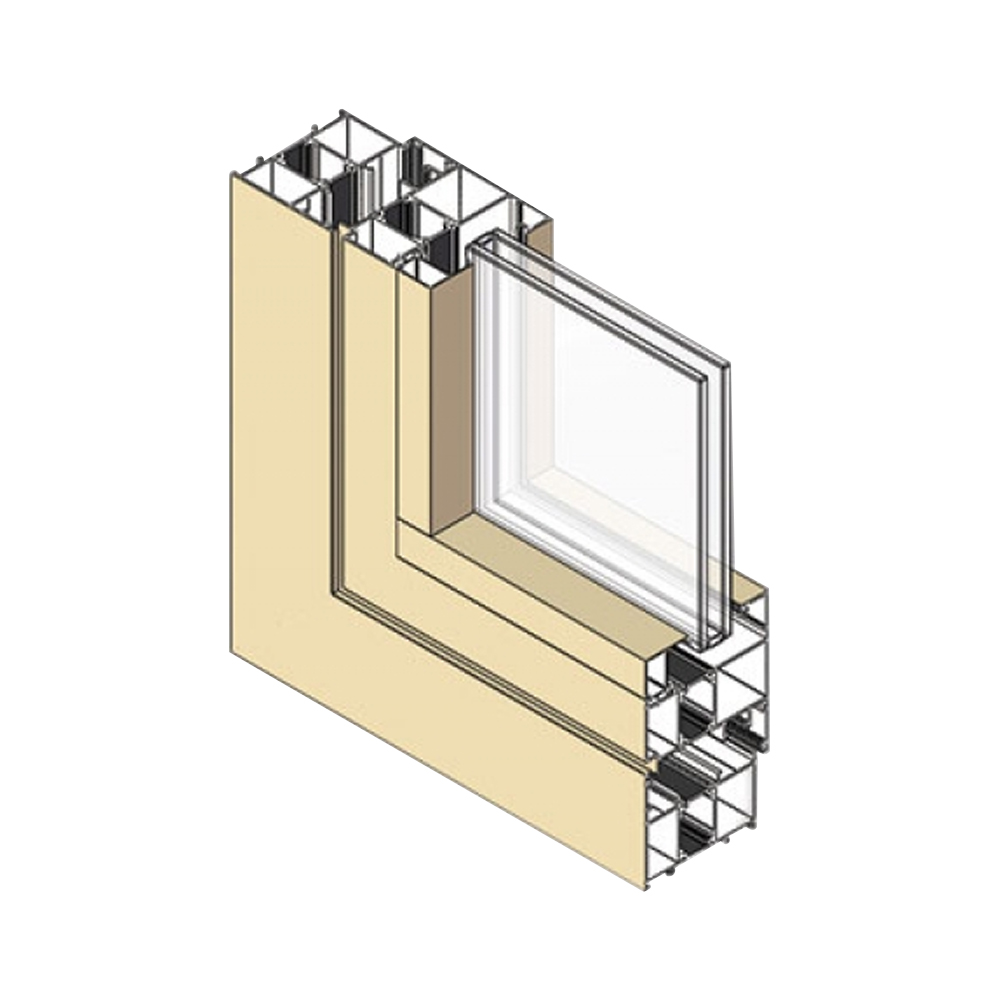
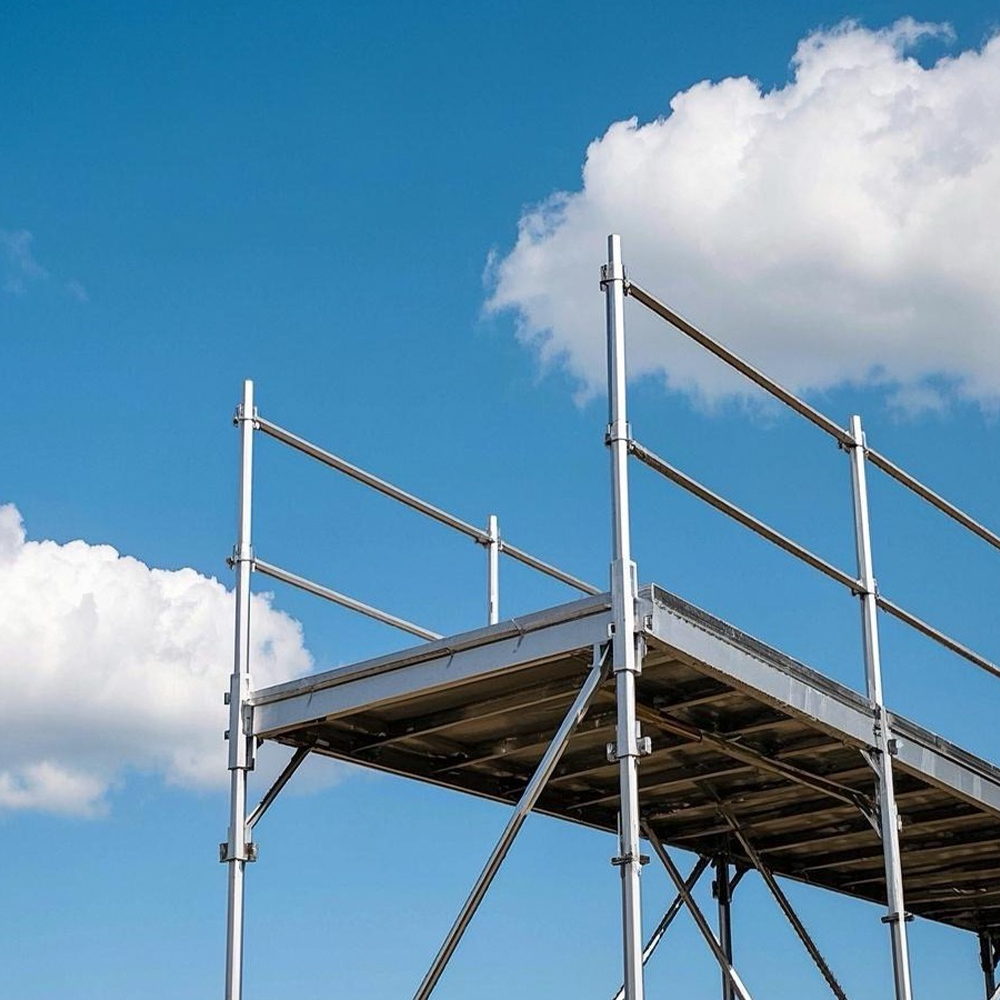
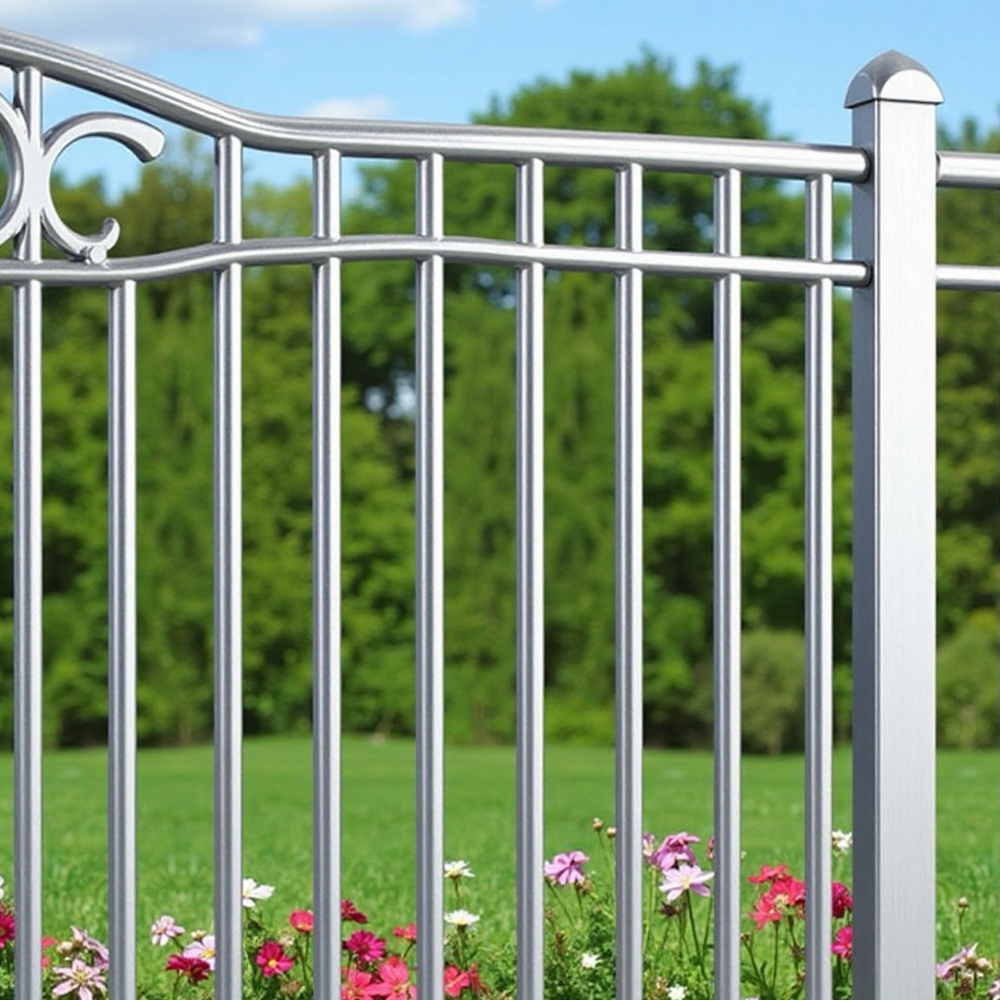
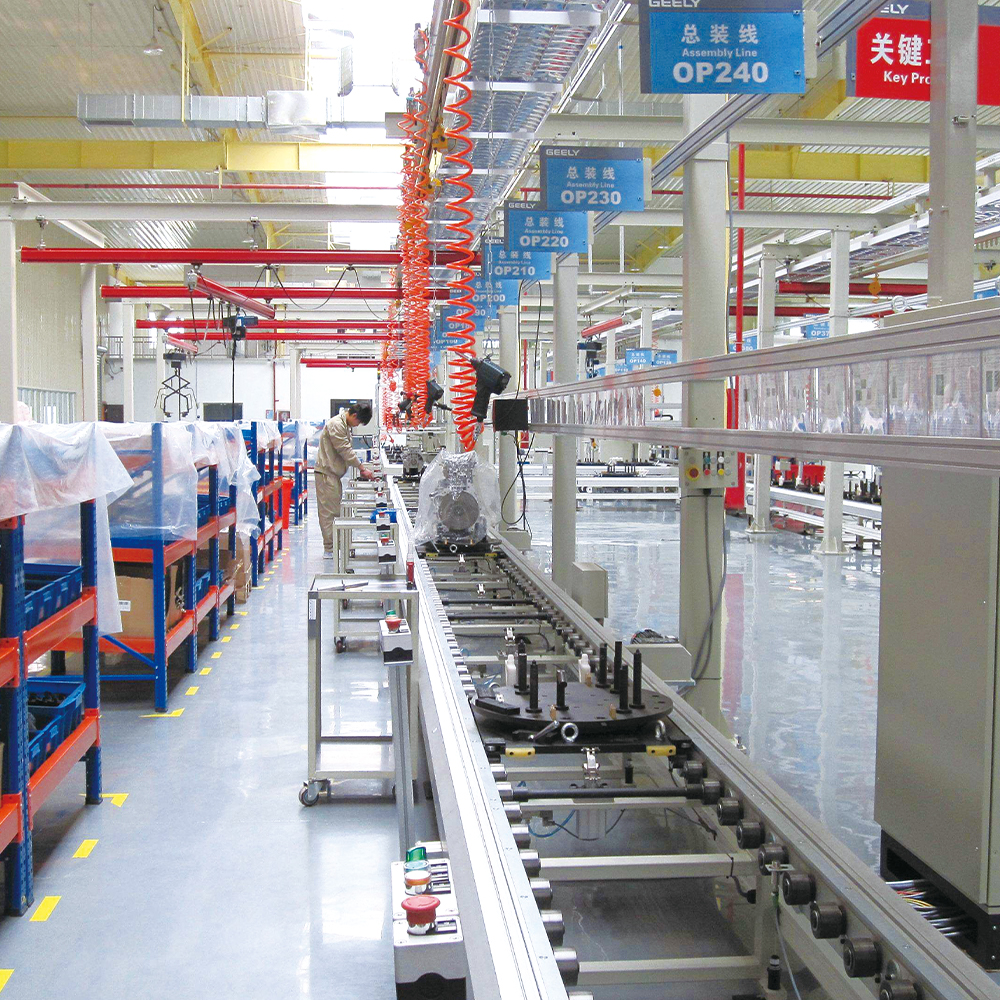
Automotive and EV teams use extruded tubes for roof racks, pedals, battery frames, and structural rails. The same logic applies to solar mounting and storage racks, where corrosion resistance and length stability matter. For a closer look at automotive and new energy use cases, see this article on aluminium extrusion profiles in automotive and new energy vehicles. Building and construction still consumes large volumes in curtain walls, doors, windows, fences, and scaffolds. Industrial automation uses tubes for frames, guards, and linear motion bases; rail and transport use them for interiors and structural members.
Write the specification around the failure mode, not around a catalogue size. If the tube will be bent, specify temper and bend radius; if it will be anodized, control die lines and handling; if it will be pressure tested, define the test pressure and leak criterion before quoting.
 Precision CNC Machining for Automotive ComponentsCNC machining service for engine, transmission, braking, suspension, and EV components where tolerances, repeatability, and application requirements need confirmation before quoting.View Product →
Confirm strength, corrosion, temperature, and fatigue requirements before choosing alloy or temper.
Lock OD, ID, wall, corner radius, and cut length into one tolerance stack.
6063-T5 for finish and formability; 6061-T6 for strength and machining stability.
Dimensional report, mechanical properties, surface check, and leak test where required.
First article, fit check, and finish sample should be approved before the die is put into regular production.
For machined or assembled tube parts, keep extrusion and CNC in one process chain where possible. That reduces handling, re-fixturing, and tolerance accumulation.
Tube extrusion ROI is a function of annual volume, die life, scrap credit, and downstream operations. A simple comparison works:
For low-volume custom shapes, a porthole die may be the only practical route. For high-volume pressure parts, a seamless mandrel and tighter process control may justify the higher tooling. Do not compare quotes without the same alloy, temper, tolerance, finish, test, and packaging scope.
Extrusion quality drifts when dies, quench systems, and stretchers are not maintained. A supplier with an in-house die shop can correct bearing and weld-chamber issues faster, but the buyer should still ask for a preventive maintenance schedule, die history, and calibration records. For a profile of the company's extrusion, mold, surface treatment, and machining capabilities, see the about page.
Keep the approved sample and the inspection plan with the purchase order. A tube that passes dimensional checks but fails a bend, pressure, or finish test is still a nonconforming part.

Copyright © 2025 Jiangyin Jianbang Aluminium Co., Ltd.
All Rights Reserved.
 Aluminum Extrusion Manufacturers
Aluminium Profile Suppliers