English
 日本語
日本語 한국어
한국어Indusrty News
Content
- 1 What Are Automotive Aluminum Extrusion Profiles?
- 2 The Extrusion Process: Turning Alloy Into Automotive Components
- 3
- 4 Where Automotive Aluminum Extrusion Profiles Are Applied in Vehicles
- 5 Weight Reduction, Fuel Efficiency, and Emissions Impact
- 6 Sustainability: Recyclability and the Circular Economy Advantage
- 7 Design and Manufacturing Considerations for Optimal Profile Performance
What Are Automotive Aluminum Extrusion Profiles?
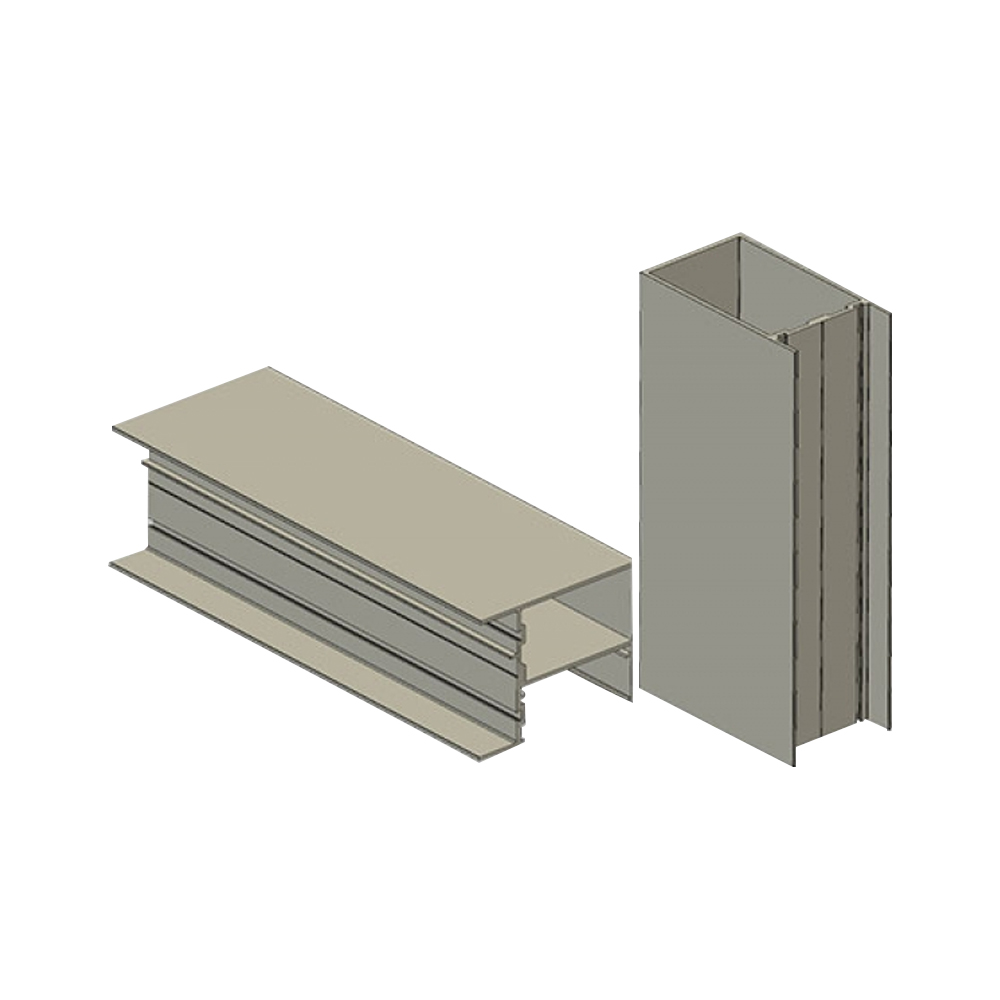
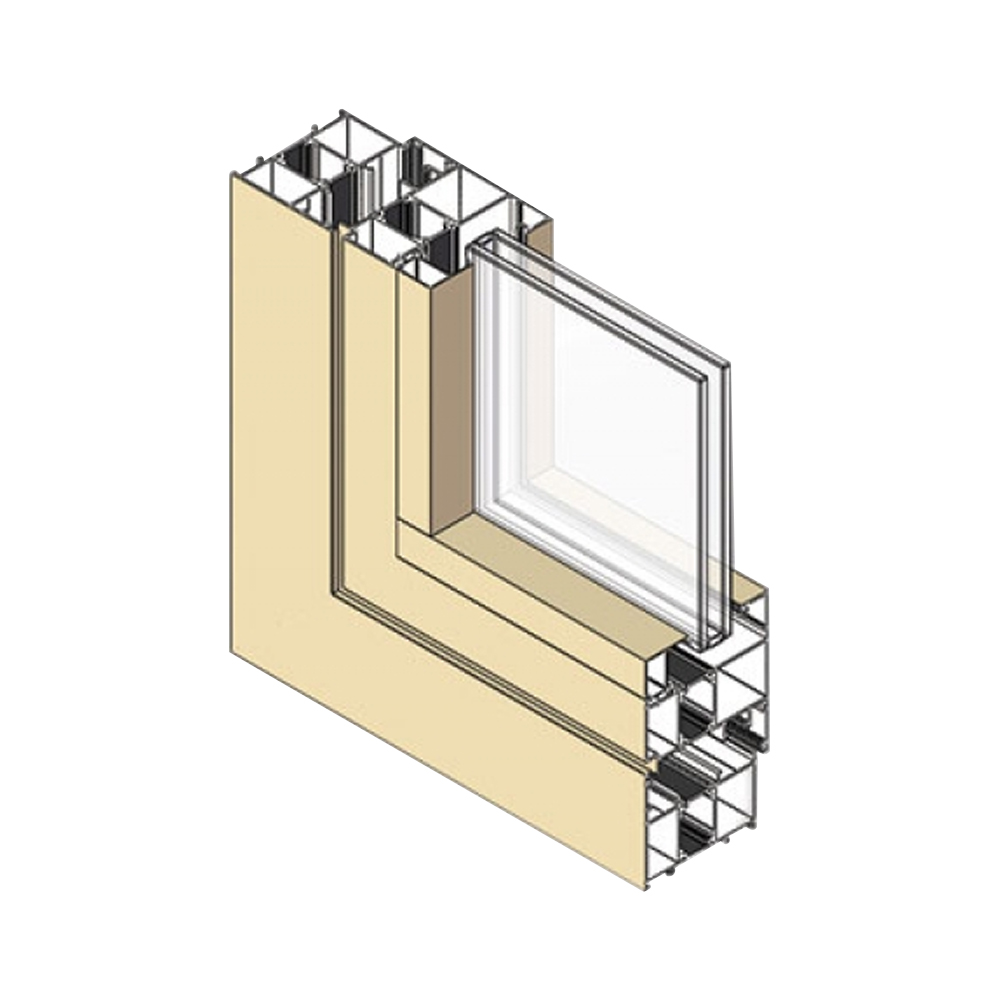
Automotive aluminum extrusion profiles are precision-engineered structural and functional components produced by forcing heated aluminum alloy billets through shaped dies to create continuous cross-sectional profiles that are subsequently cut, machined, and assembled into vehicle structures, chassis systems, body components, and interior frameworks. These profiles are at the forefront of a transformative wave in vehicle design, seamlessly combining strength, lightweight performance, and sustainability to redefine what modern vehicles can achieve. The extrusion process allows automotive engineers to design cross-sections of extraordinary geometric complexity — incorporating multiple hollow chambers, integrated mounting flanges, reinforcing ribs, and precise dimensional tolerances — that would be prohibitively expensive or technically impossible to produce through casting, rolling, or fabrication from flat sheet.
The adoption of aluminum extrusion profiles in automotive manufacturing has accelerated dramatically over the past two decades, driven by tightening global fuel economy and CO₂ emissions regulations that compel vehicle manufacturers to reduce fleet average vehicle weight without compromising passenger safety or structural performance. Aluminum — with a density of approximately 2.7 g/cm³ compared to 7.8 g/cm³ for steel — offers a fundamental weight advantage of approximately 65% for equivalent volume, and when combined with appropriate alloy selection and structural design, can achieve equivalent or superior structural stiffness and crash energy absorption to the steel components it replaces.
The Extrusion Process: Turning Alloy Into Automotive Components
Understanding the aluminum extrusion process helps automotive engineers and procurement professionals appreciate both the capabilities and the constraints of this manufacturing technology — knowledge that is essential for designing components that exploit the full potential of aluminum extrusion profiles while avoiding design features that drive unnecessary tooling complexity and cost. The process begins with a cast aluminum alloy billet, typically in the 6000 series (6061, 6063, 6082) for standard structural profiles or 7000 series (7075, 7003) for high-strength applications demanding maximum specific strength.
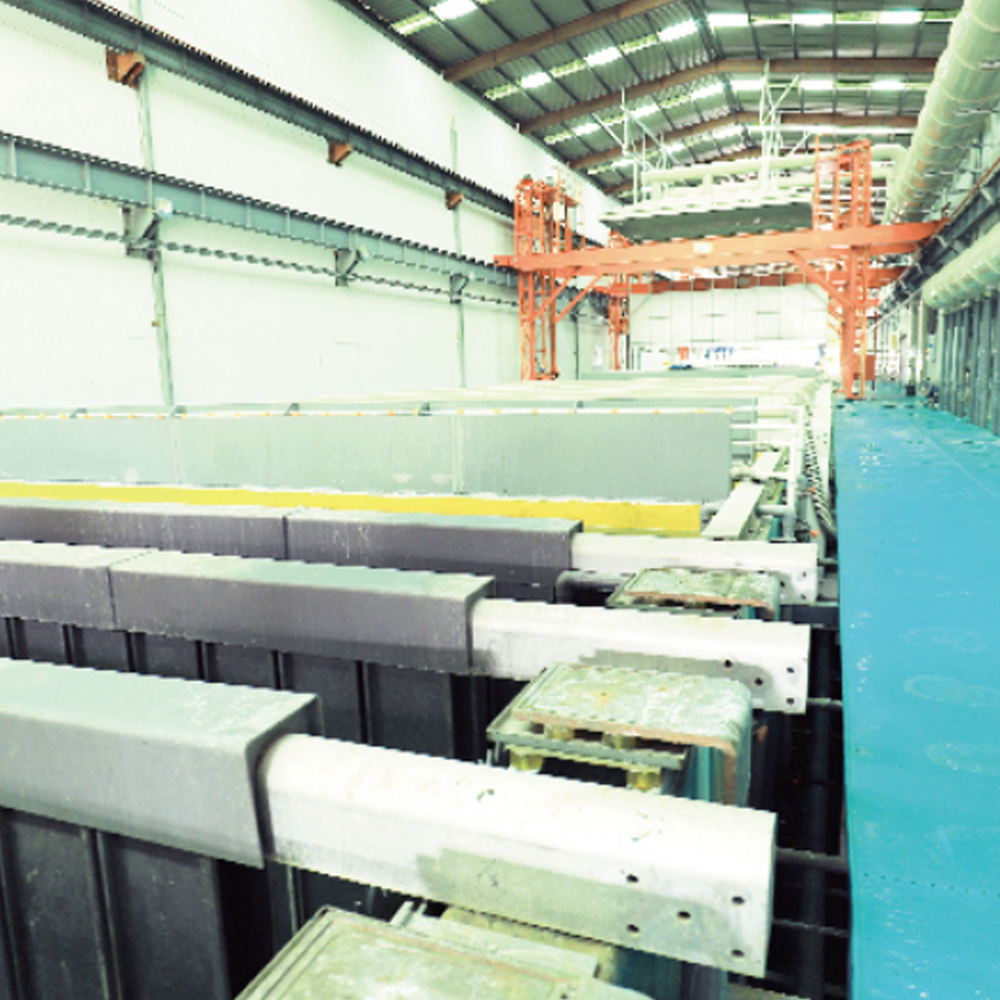
The billet is heated to approximately 450–520°C — a temperature that brings the aluminum to a semi-plastic state where it flows under pressure without melting — and then pressed by a hydraulic ram through a hardened H13 tool steel die whose opening is machined to the precise shape of the desired profile cross-section. As the aluminum exits the die, it is quenched by water or air cooling to lock in the solid-solution strengthening achieved during extrusion, then stretched to correct any minor curvature, cut to length, and artificially aged in an oven at 160–200°C to develop its final mechanical properties through precipitation hardening. By utilizing this advanced extrusion process, manufacturers are able to craft components that maintain structural integrity while drastically reducing overall vehicle weight.
Key Alloy Series Used in Automotive Aluminum Extrusion Profiles
| Alloy Series | Typical Grade | Tensile Strength | Primary Automotive Application |
| 6000 Series | 6061-T6, 6082-T6 | 260 – 310 MPa | Bumper beams, door sills, roof rails |
| 6000 Series | 6063-T6 | 190 – 240 MPa | Trim profiles, seat frames, interior structures |
| 7000 Series | 7003-T5, 7075-T6 | 350 – 570 MPa | Crash management systems, chassis nodes |
| 6000 Series | 6005A-T6 | 270 – 300 MPa | Battery enclosure frames, EV floor structures |
Where Automotive Aluminum Extrusion Profiles Are Applied in Vehicles
Aluminum extrusion profiles are deployed across a wide range of vehicle structural and functional systems, with each application leveraging specific aspects of the extruded form's geometric flexibility, weight efficiency, and mechanical performance. The breadth of applications reflects the versatility of the extrusion process in producing profiles that address highly specific structural challenges within the constrained packaging envelopes of modern vehicle architecture.
- Bumper Beam Systems: Front and rear bumper reinforcement beams are among the highest-volume automotive applications for aluminum extrusion profiles. Multi-chamber extruded profiles in 6082-T6 or 7003-T5 alloy absorb low-speed impact energy through controlled progressive crushing of the hollow chamber walls, protecting the vehicle structure and occupants while meeting pedestrian protection regulations — at approximately 50% of the weight of equivalent steel beam systems.
- Door Sill and Rocker Panels: Extruded aluminum door sill profiles provide critical side-impact protection by resisting intrusion into the passenger compartment during lateral crash events. Their multi-chamber cross-sections are engineered to maximize energy absorption per unit of profile weight, with 6061-T6 being a common alloy selection for its combination of strength, extrudability, and weldability.
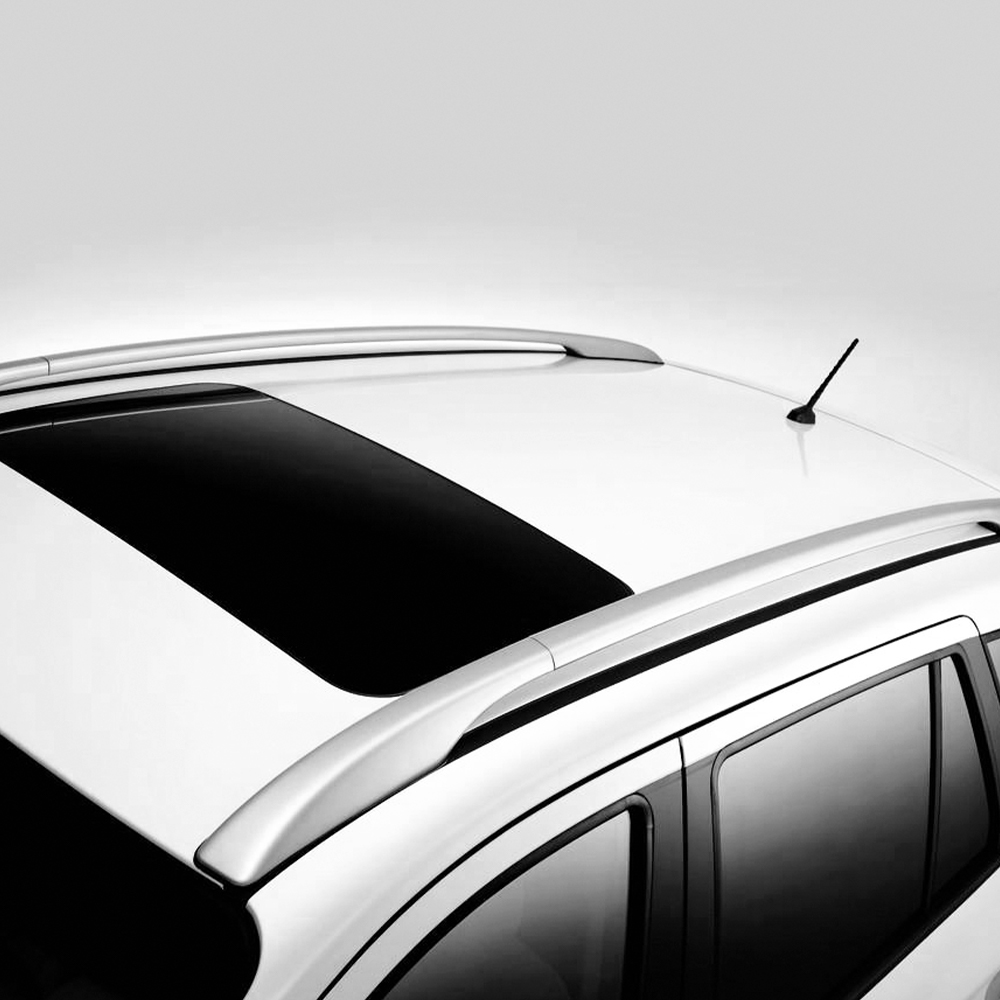
- Roof Rails and Cross Members: Aluminum extrusion profiles in roof rail applications provide the longitudinal structural spine of the upper body structure, resisting roof crush loads in rollover scenarios while contributing to the vehicle's torsional stiffness that influences handling precision and NVH (noise, vibration, and harshness) performance.
- Battery Enclosure Frames for Electric Vehicles: The transition to battery electric vehicles has created major new demand for aluminum extrusion profiles in battery enclosure frame construction. Extruded aluminum perimeter frames and internal cross-members provide the structural housing for lithium-ion battery modules, protecting them from road debris, crash loads, and water ingress while maintaining the tight dimensional tolerances that battery module assembly requires.
- Seat Frames and Headrest Guides: Interior seat structures benefit from aluminum extrusion profiles' ability to produce thin-walled, lightweight structural members with precise dimensional consistency — reducing unsprung interior mass that contributes to vehicle weight and fuel consumption without affecting seating comfort or safety performance.
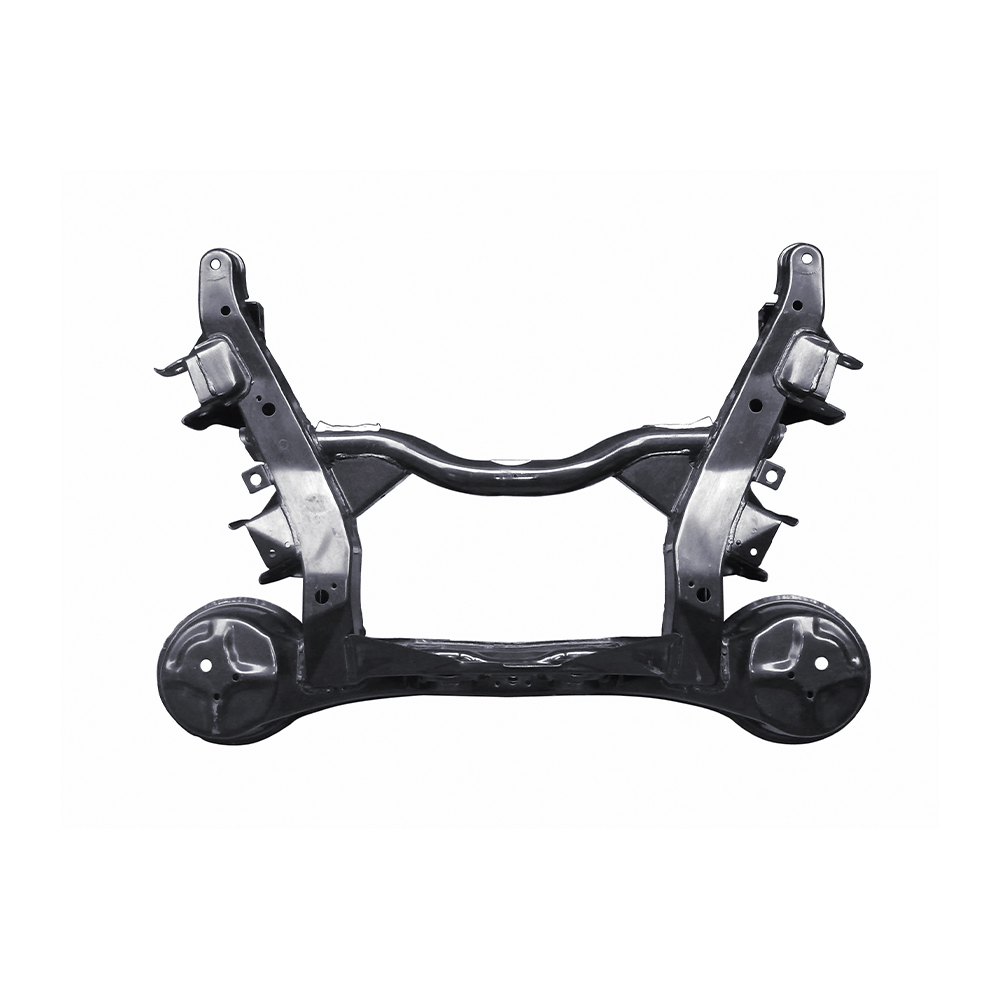
- Subframe and Suspension Components: Front and rear subframe structures — the mounting platforms for engine, transmission, and suspension systems — are increasingly produced as welded assemblies of aluminum extrusion profiles, replacing heavier steel stampings and providing the precise mounting geometry that sophisticated multi-link suspension systems require for consistent handling performance.
Weight Reduction, Fuel Efficiency, and Emissions Impact
The direct relationship between vehicle weight reduction through aluminum extrusion profiles and improvements in fuel efficiency and lower emissions is one of the most compelling arguments for the continued expansion of aluminum content in automotive body and chassis structures. Vehicles perform better on the road and achieve improved fuel efficiency when overall mass is reduced — a principle that applies across all powertrain types but is particularly pronounced in battery electric vehicles where reduced mass directly extends driving range from a fixed energy storage capacity.
Industry data consistently indicates that a 10% reduction in vehicle weight produces approximately 6–8% improvement in fuel consumption for conventional internal combustion engine vehicles under real-world driving conditions. For a typical passenger car program replacing 100kg of steel body structure with 50kg of aluminum extrusion profile assemblies — a 50kg weight saving — the fuel economy improvement over a vehicle lifetime of 200,000km represents a CO₂ reduction of approximately 1.5–2.0 tonnes per vehicle. When this saving is multiplied across annual production volumes of hundreds of thousands of vehicles, the aggregate environmental impact of transitioning to automotive aluminum extrusion profiles at the fleet level becomes substantial in the context of automotive industry decarbonization commitments.
Sustainability: Recyclability and the Circular Economy Advantage
Beyond the in-service fuel economy and emissions benefits, automotive aluminum extrusion profiles offer a compelling sustainability advantage at the end of vehicle life through aluminum's unique recyclability characteristics. In a market that constantly demands smarter, greener solutions, aluminum extrusion profiles offer the perfect synergy between cutting-edge technology and environmental responsibility — and nowhere is this more apparent than in the material's closed-loop recyclability performance.
Aluminum can be recycled repeatedly without degradation of its mechanical properties, and the energy required to recycle aluminum from scrap is approximately 5% of the energy needed to produce primary aluminum from bauxite ore — a 95% energy saving that dramatically reduces the lifecycle carbon footprint of aluminum extrusion profiles compared to their energy-intensive primary production origin. The automotive industry's end-of-life vehicle (ELV) recycling infrastructure is already optimized for aluminum recovery, with aluminum alloy recovery rates from ELV processing consistently exceeding 90% in developed markets. This means that the aluminum content of today's vehicles flows back into tomorrow's automotive aluminum extrusion profiles through established secondary smelting supply chains, progressively improving the material's lifecycle carbon performance as the proportion of recycled content in the extrusion billet supply increases.
Design and Manufacturing Considerations for Optimal Profile Performance
Realizing the full performance potential of automotive aluminum extrusion profiles in vehicle applications requires close collaboration between automotive structural engineers, die designers, and extrusion process engineers from the earliest stages of component design. Several design principles are particularly important for ensuring that the finished profiles deliver their specified mechanical performance reliably across the full production volume while remaining manufacturable within acceptable process yield and cost parameters.
- Wall Thickness Uniformity: Maintaining consistent wall thickness ratios across the profile cross-section is critical for achieving uniform metal flow through the extrusion die. Dramatic variations between thick and thin walls in the same profile cause differential cooling and residual stress that can distort the profile and produce dimensional inconsistencies that complicate downstream assembly operations.
- Multi-Chamber Design for Crash Performance: Internal webs dividing the profile into multiple hollow chambers significantly enhance crash energy absorption per unit weight by creating multiple sequential buckling events as the profile collapses progressively under impact load — a design approach that has been extensively validated through finite element simulation and physical crash testing across the automotive aluminum extrusion profiles industry.
- Joining Method Compatibility: Automotive aluminum extrusion profiles must be joinable to adjacent aluminum or steel components using processes compatible with the alloy's metallurgical characteristics. MIG welding, friction stir welding, self-piercing riveting, flow drill screwing, and structural adhesive bonding are all employed in automotive aluminum assembly, each requiring specific considerations in profile design for joint access, heat-affected zone management, and load transfer geometry.
- Surface Treatment for Corrosion Protection: Automotive aluminum extrusion profiles in body structure and underbody applications must be protected against corrosion from road salts, moisture, and galvanic couples with steel fasteners through appropriate surface pretreatment and coating systems — typically chromate-free conversion coating followed by cathodic electrodeposition primer as part of the vehicle's integrated paint process.
- Thermal Management Integration: In electric vehicle battery enclosures, aluminum extrusion profiles are increasingly designed with integrated cooling channels within the profile cross-section — eliminating separate cooling tube components and reducing assembly complexity while leveraging aluminum's excellent thermal conductivity to distribute battery thermal management fluid efficiently across the enclosure floor structure.