English
 日本語
日本語 한국어
한국어
Home / Blog / Indusrty News / Automotive Aluminum Extrusion Profiles for Lightweight Vehicle Structures
Indusrty News
Content
Automotive aluminum extrusion profiles are structural and functional components formed by forcing aluminum alloy billets through precision dies. In modern vehicle engineering, these profiles are widely used to replace traditional steel parts in order to reduce vehicle weight, improve energy efficiency, and support complex structural integration. Compared with stamped components, extruded profiles allow designers to combine multiple functions into a single section, reducing part count and assembly complexity.
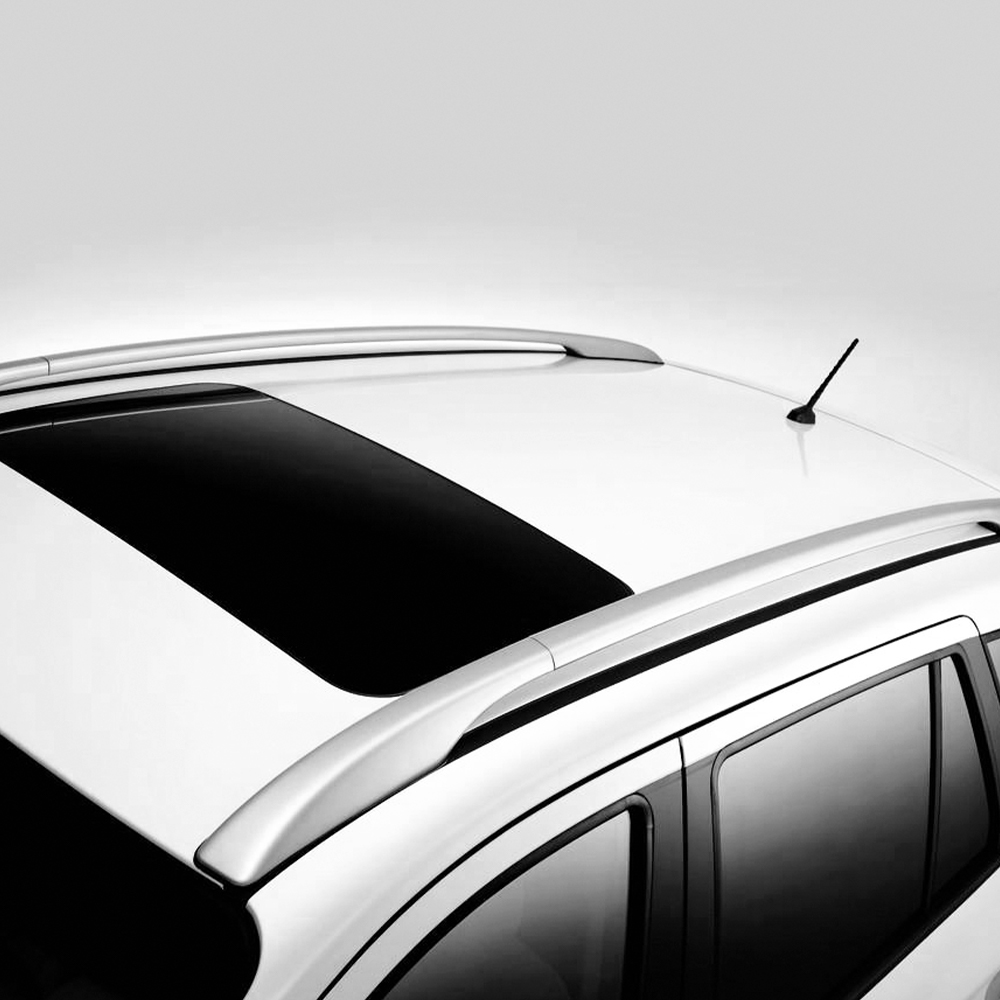
In passenger cars, commercial vehicles, and new energy vehicles, extrusion profiles are applied in load-bearing frames, safety structures, and auxiliary systems. Their consistent cross-section, controllable wall thickness, and adaptability to different joining methods make them suitable for both mass production and customized platforms.
Automotive aluminum extrusion profiles are selected based on mechanical performance, dimensional accuracy, and integration requirements. Different vehicle systems rely on specific profile designs to meet strength, stiffness, and durability targets.
The performance of automotive aluminum extrusion profiles depends heavily on alloy selection and temper condition. Automotive manufacturers typically choose alloys that balance strength, formability, corrosion resistance, and cost.
| Alloy Series | Key Characteristics | Automotive Usage |
| 6000 Series | Good strength, corrosion resistance, heat-treatable | Structural frames, battery enclosures |
| 7000 Series | High strength, lower formability | Reinforcement parts, crash components |
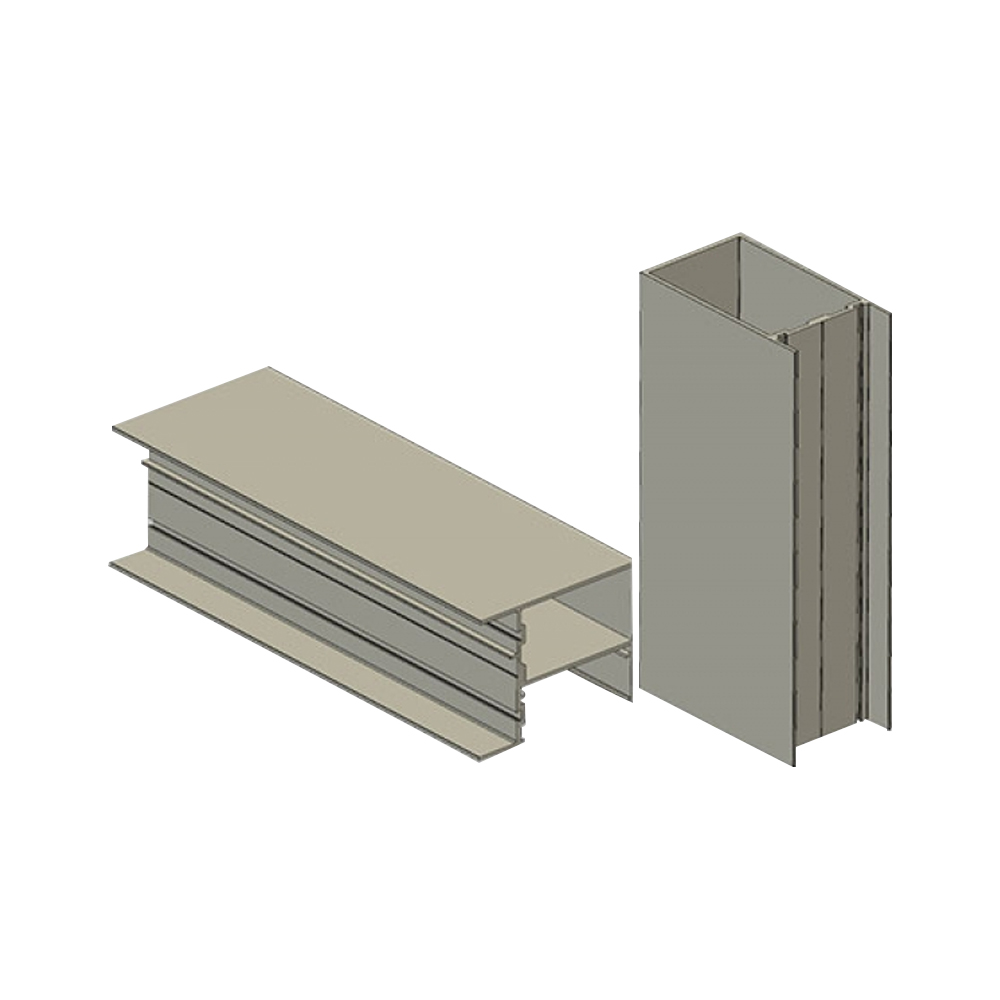
Designing automotive aluminum extrusion profiles requires coordination between vehicle engineers, extrusion manufacturers, and tooling specialists. Section geometry directly affects strength, torsional rigidity, and manufacturability.
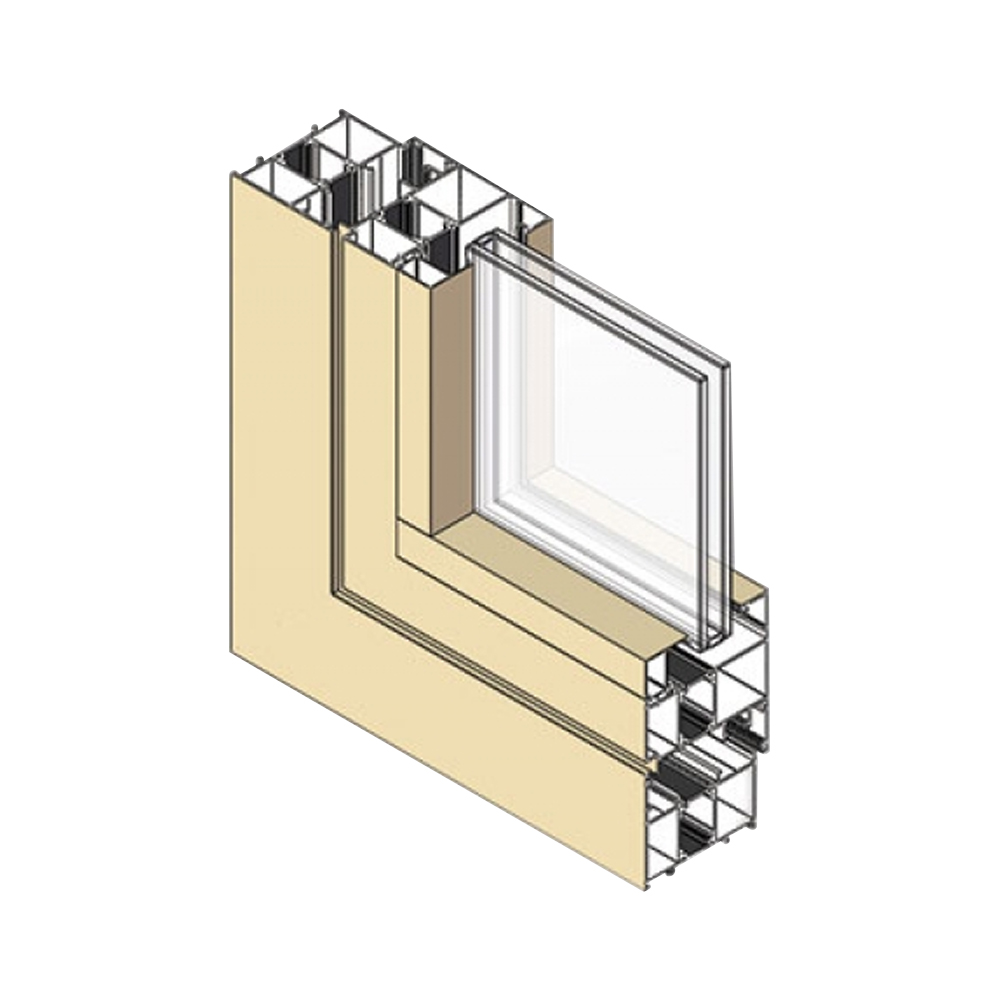
Engineers often incorporate hollow chambers, internal ribs, and variable wall thickness to optimize material distribution. These features help achieve stiffness targets while limiting overall mass. Radii, corner thickness, and symmetry are also carefully controlled to maintain stable metal flow during extrusion.
The manufacturing process starts with aluminum billet heating, followed by extrusion through a custom-designed die. After extrusion, profiles undergo quenching, stretching, and aging to reach specified mechanical properties. Dimensional consistency is maintained through controlled process parameters and online monitoring.
Post-extrusion operations such as cutting, CNC machining, punching, and bending are commonly applied to meet assembly requirements. For automotive use, tight tolerances and repeatability are critical, especially for automated welding and robotic assembly lines.
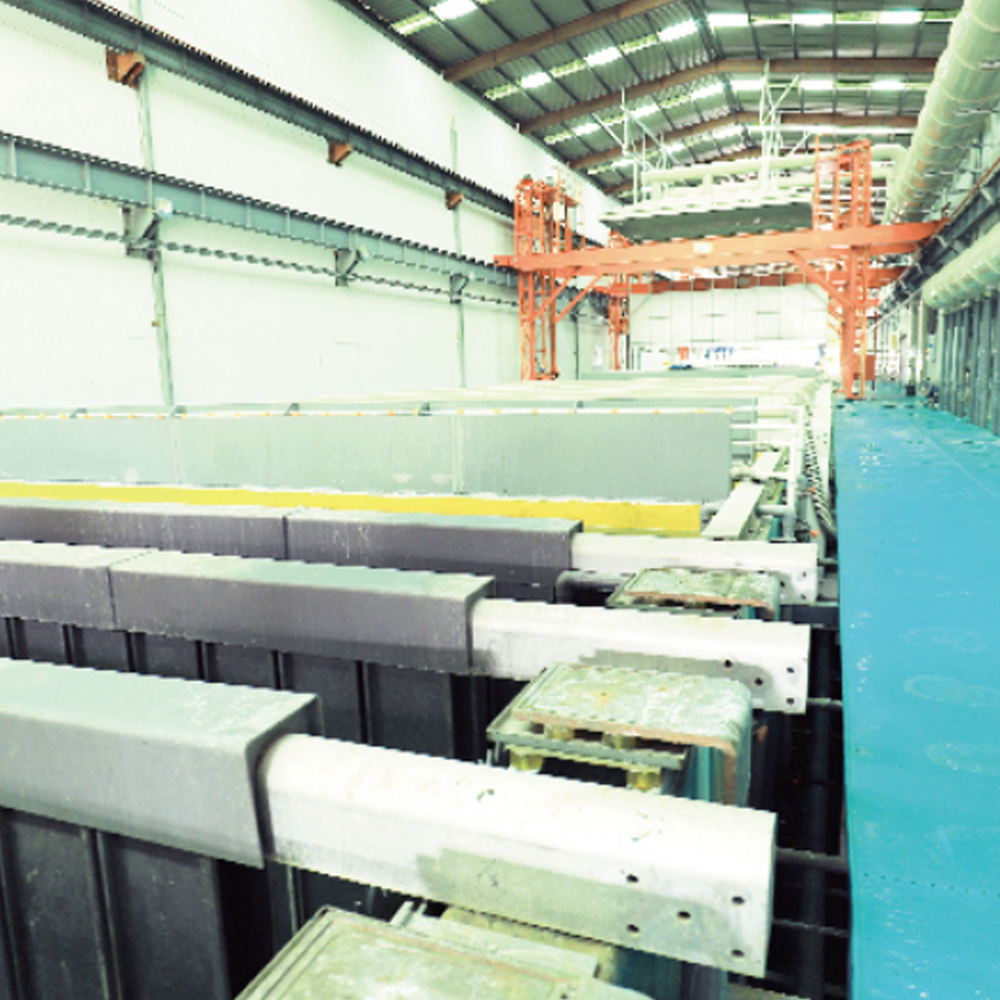
Automotive aluminum extrusion profiles often receive surface treatments to improve corrosion resistance, appearance, and bonding performance. The selected treatment depends on the installation environment and downstream processes.
Automotive aluminum extrusion profiles are produced under strict quality management systems. Dimensional inspections, mechanical testing, and surface evaluations are conducted throughout production. Traceability of raw materials and process parameters is maintained to support automotive supply chain requirements.
Profiles supplied to automotive projects typically comply with international standards and OEM-specific specifications. Consistency in batch performance is essential for ensuring assembly accuracy, structural reliability, and long-term vehicle performance.
As vehicle electrification and lightweight design continue to advance, automotive aluminum extrusion profiles are evolving toward higher integration and structural efficiency. Large cross-section profiles, multi-cavity designs, and hybrid structures combining extrusion with casting or sheet components are becoming more common.
These developments support flexible vehicle platforms and modular architectures, enabling manufacturers to adapt quickly to different models and market demands while maintaining consistent production quality.

Copyright © 2025 Jiangyin Jianbang Aluminium Co., Ltd.
All Rights Reserved.
 Aluminum Extrusion Manufacturers
Aluminium Profile Suppliers
Aluminum Extrusion Manufacturers
Aluminium Profile Suppliers