English
 日本語
日本語 한국어
한국어
Home / Blog / Indusrty News / Choosing the Right Automotive Aluminum Extrusion Profiles for Lightweight Design
Indusrty News
Content
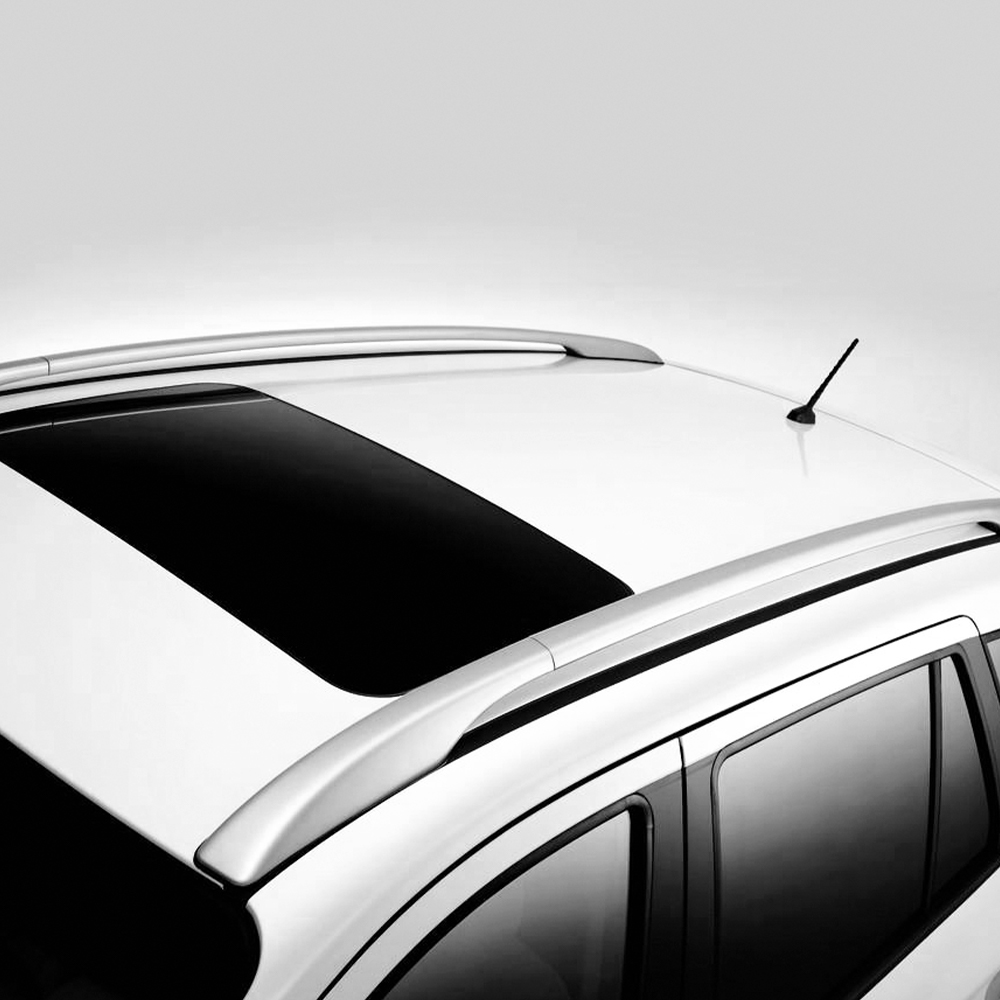
Automotive aluminum extrusion profiles are specialized structural components created by forcing aluminum alloy through a die to form specific cross-sectional shapes. These profiles are widely used in vehicle frames, body panels, and structural reinforcements due to their lightweight properties combined with excellent strength. Selecting the right profile involves understanding its mechanical properties, shape design, and suitability for specific automotive applications.
Incorporating aluminum extrusion profiles into vehicles significantly reduces overall weight while maintaining structural integrity. Lighter vehicles improve fuel efficiency, reduce emissions, and enhance handling performance. Beyond weight reduction, aluminum profiles offer corrosion resistance, design flexibility, and recyclability, making them ideal for modern automotive applications.
Different aluminum alloys provide varying levels of strength, corrosion resistance, and formability. For structural automotive components, 6000 series alloys are commonly used due to their balance of mechanical strength and extrusion versatility. Consider the alloy’s tensile strength, yield strength, and compatibility with heat treatment processes.
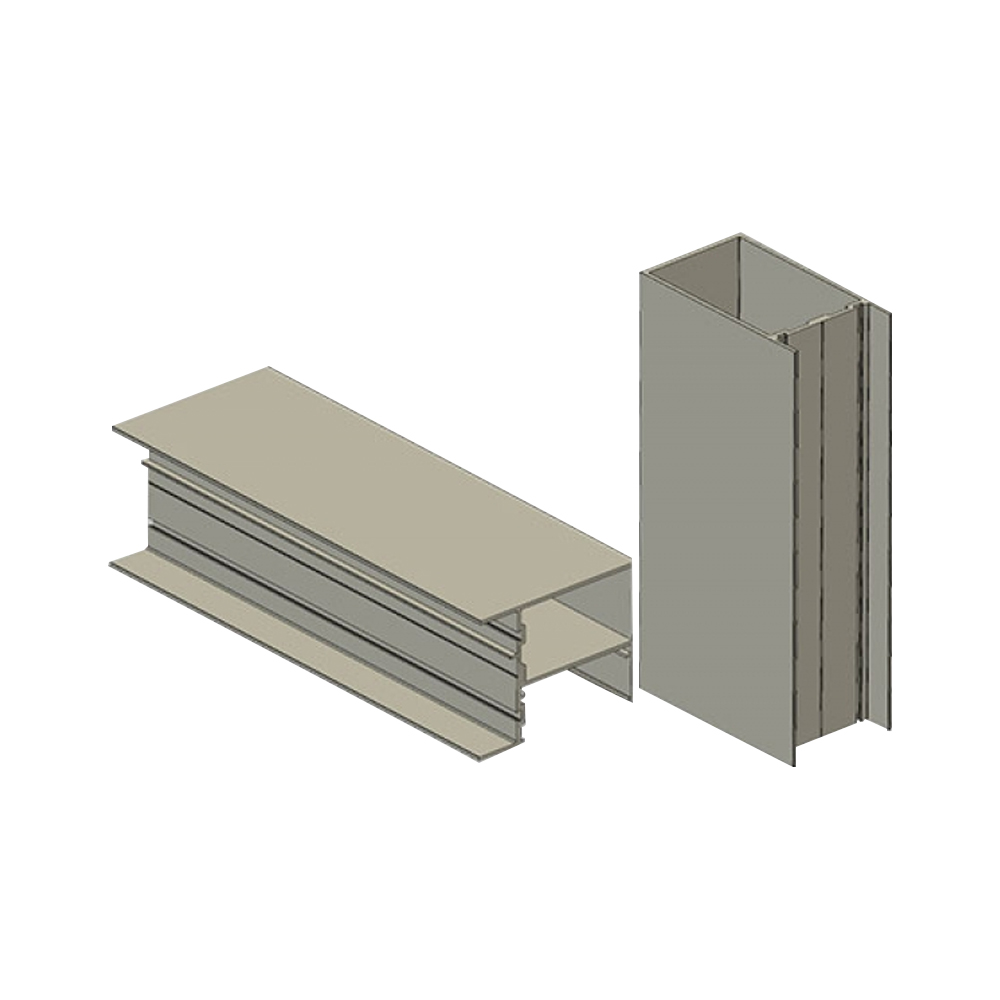
The cross-sectional shape of an extrusion profile affects its load-bearing capacity and stiffness. Profiles can range from simple rectangular tubes to complex multi-chambered structures. Using finite element analysis (FEA) during design ensures that the chosen profile meets performance requirements while minimizing weight.
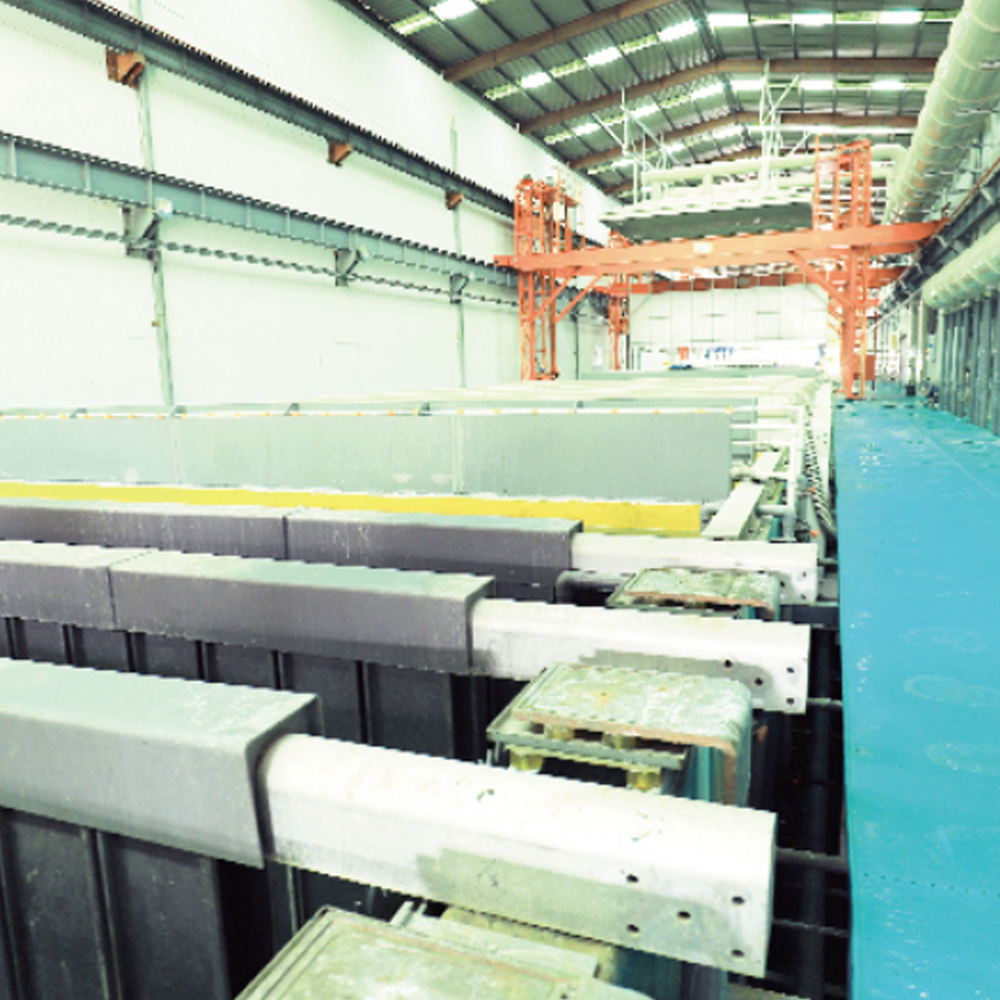
Surface finishing options such as anodizing, powder coating, or painting not only enhance aesthetics but also provide additional corrosion protection. Selecting profiles with compatible surface treatments ensures long-term durability, especially in regions exposed to moisture or road salt.
Automotive aluminum extrusion profiles are versatile and can be applied in multiple vehicle systems. Common applications include:
Choosing the optimal profile requires evaluating strength-to-weight ratios, manufacturability, and cost. The following table illustrates a comparison of common automotive aluminum extrusion profiles:
| Profile Type | Cross-Section | Weight Efficiency | Strength | Common Use |
| Rectangular Tube | Simple Rectangular | High | Moderate | Frames, Rails |
| Multi-Chamber | Complex Multi-Chamber | Very High | High | Bumpers, Reinforcements |
| I-Beam | I-Shaped | Moderate | High | Chassis, Structural Supports |
When designing aluminum extrusion profiles for lightweight automotive applications, collaboration between design and manufacturing teams is essential. Consider the following tips:
Choosing the right automotive aluminum extrusion profile is critical for lightweight vehicle design, performance optimization, and cost efficiency. By carefully evaluating material, geometry, and fabrication considerations, manufacturers can create safer, lighter, and more sustainable vehicles. Effective application of these profiles not only improves fuel efficiency but also contributes to modern vehicle innovation and environmental sustainability.

Copyright © 2025 Jiangyin Jianbang Aluminium Co., Ltd.
All Rights Reserved.
 Aluminum Extrusion Manufacturers
Aluminium Profile Suppliers
Aluminum Extrusion Manufacturers
Aluminium Profile Suppliers