English
 日本語
 한국어
Home / Blog / Indusrty News / aluminum extrusion alloys: Applications, Selection Criteria, and Practical Guidance
Indusrty News
Two housings leave the same press with the same 1.8 mm wall and the same anodized finish. One survives a 90-degree bend on the customer's brake; the other cracks at 45 degrees. Nothing changed in the die. Only the alloy and the temper did.
That is why aluminum extrusion alloys belong in an engineering decision, not a line item on a purchase order. Here is the short answer before the detail: 6xxx alloys cover roughly 80 to 90 percent of extruded tonnage, and most projects land on 6063 for finish and press speed, 6005A or 6082 when strength has to climb, and 6061 when the profile will be machined after extrusion. The 1xxx, 3xxx, 5xxx and 7xxx families cover the specialist remainder.
Rule of thumb: specify the lowest-strength alloy that passes the load case. Every step up the strength ladder usually costs press speed, scrap allowance and die wear, which shows up as a higher conversion cost per kilo long before the billet price matters.
Content
Aluminum is grouped by its main alloying element, and the group number tells you most of what you need before a single die is cut.
Minimum 99 percent aluminum. Best electrical and thermal conductivity, excellent corrosion resistance, low strength. Busbars, heat sinks where conductivity beats load, trim.
About 20 percent stronger than 1xxx and still workable. Cable trays, panels, low-cost corrosion-resistant sections that will not be heat treated.
Strong, tough, marine-grade corrosion resistance, but harder to push through a die. More common as sheet and tube than as complex hollow profiles.
Heat treatable, extrusion-friendly, anodizes well. 6063, 6463, 6005A, 6061 and 6082 do the bulk of industrial and architectural work.
Highest strength of the common families, poorest extrudability and real stress-corrosion risk. Usually rolled or forged, occasionally extruded for special sections.
The figures below are typical minimums for small sections; actual values shift with wall thickness, quench and temper, so always work from the mill certificate rather than a catalogue.
Move from 6063 to 6082 and the billet cost rises by a few percent, but throughput can fall by nearly half. Lower extrudability means slower ram speed, more frequent die cleaning, tighter temperature windows and a higher scrap allowance while the profile stabilises.
Index figures are relative press throughput for comparable sections, with 6063 set at 100 for reference. Two further effects are easy to miss: quench sensitivity (6005A and 6082 lose strength if the cooling rate drops on thick walls) and scrap segregation, since 6061 offcuts must never be allowed back into a 6063 billet stream without full remelting control.
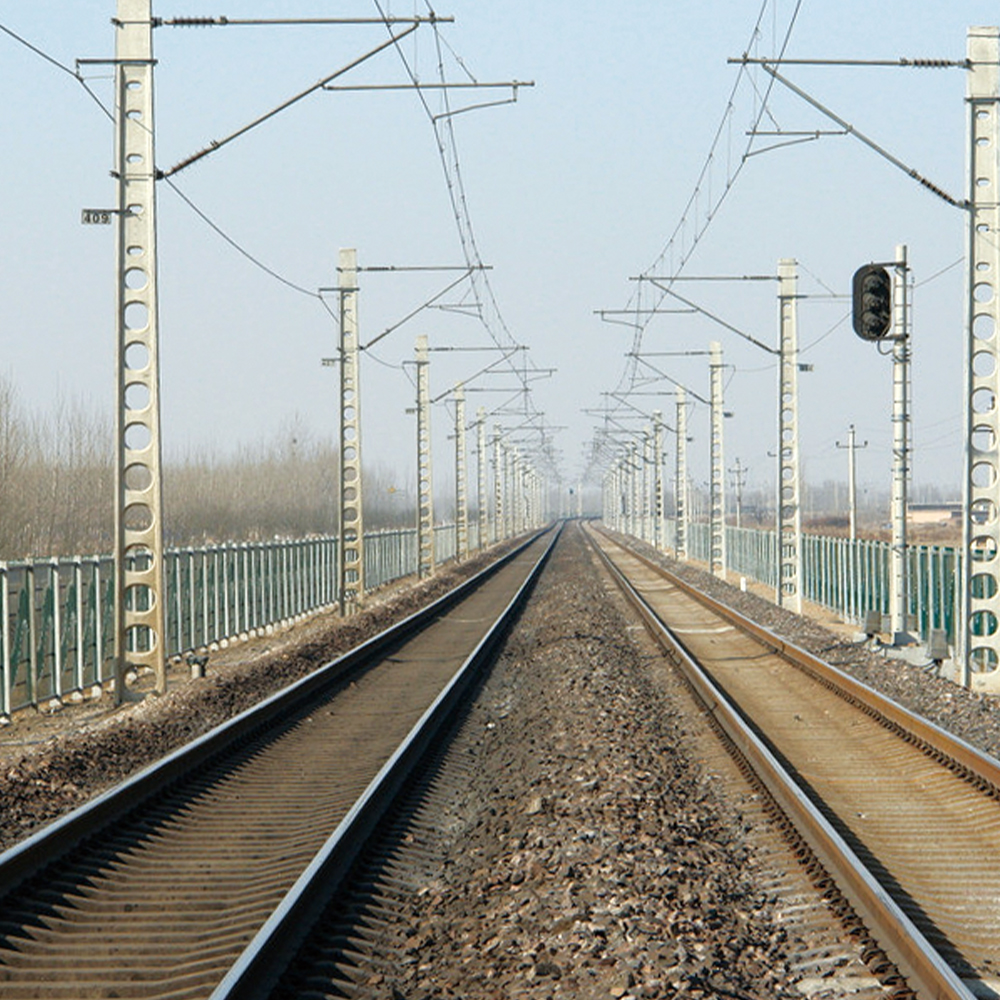 Industrial Aluminum Extrusion Profiles for Machinery and EquipmentBrowse industrial extrusion profiles for machinery frameworks, automation, medical equipment, rail transit and heat sinks, with customizable alloys, shapes, finishes and machining.View Product →
Shares are indicative of industrial extrusion demand rather than any single plant's order book, and they move with construction cycles and storage build-out rates.
 New Energy Aluminum Extrusions for Solar and Battery StorageReview photovoltaic mounting bracket and battery-pack extrusion options for solar installations and energy storage, offering corrosion resistance, thermal conductivity and recyclable aluminum construction.View Product →
State design stress, deflection limit and fatigue cycles. Name the temper explicitly: 6063-T5 and 6063-T6 share chemistry but differ by roughly 40 MPa in yield.
Minimum bend radius grows with strength. A 2 mm wall in 6063-T5 forms near 1t; 6082-T6 often needs 2t or more, and bending across a hollow's weld seam invites cracking.
Anodic film quality depends on low copper and iron content. 6061 anodizes to a duller grey than 6063; bright-dip cosmetic parts usually call for 6463.
A 6082 section may need a larger press and a longer die lead time than the same geometry in 6063. Tooling is part of the alloy decision, not an afterthought.
Agree wall thickness, twist, straightness and cut length against a named standard, and specify the sampling plan for mechanical properties.
Plants with in-house die shops shorten this loop considerably. A supplier running 21 press lines with roughly 120,000 tonnes of planned annual capacity and its own mould centre, such as the model described on the Jiangyin Jianbang Aluminium company page, can trial a section, adjust the die and re-sample temper within one production cycle instead of re-tendering the job.
 Custom Aluminum Extrusion Molds for Precision ProfilesConsider custom extrusion molds for complex geometries and tight tolerances, supporting efficient production and consistent finish across aerospace, medical, automotive, construction and electronics applications.View Product →
Alloy discipline does not stop at the press. Three controls protect a project long after delivery:
One last habit pays for itself: compare samples of the same profile in two alloys before freezing the drawing. A short note on how strength, shape and surface finish interact is often enough to settle the argument with a customer who wants 6082 strength on a 6063 finish budget.
Choose the alloy for the worst condition the part will see, then let the die and the press speed follow. Done in that order, the quote you sign is the price you pay.

Copyright © 2025 Jiangyin Jianbang Aluminium Co., Ltd.
All Rights Reserved.
 Aluminum Extrusion Manufacturers
Aluminium Profile Suppliers