


 English
 日本語
 한국어
Home / Products / Aluminium Deep Processing Services / Industrial Automotive Parts Precision Machining / Automotive Parts CNC Machining
Custom Automotive Parts CNC Machining
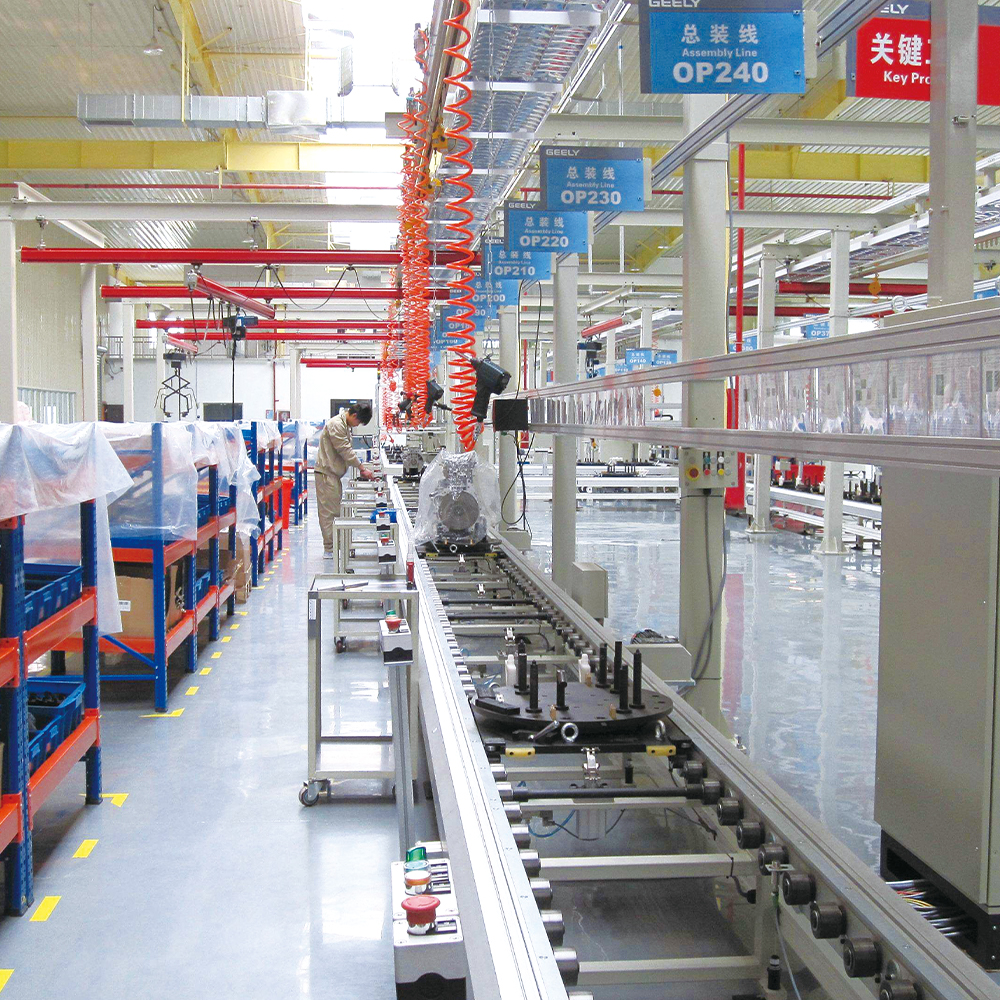
Automotive Parts Fully Automatic Precision Cutting: Key Advantages and Applications
1. Revolutionizing Production Processes
Unmatched Precision: Delivers clean, consistent cuts with micron-level accuracy, minimizing material waste and rework.
Full Automation Eliminates manual intervention, reducing human errors and ensuring seamless workflow integration.
Efficiency Boost: Accelerates production timelines while lowering labor costs through automated operations.
2. Versatility Across Automotive Applications
Complex Engine Components: precision-engineers intricate parts like pistons, valves, and transmission systems.
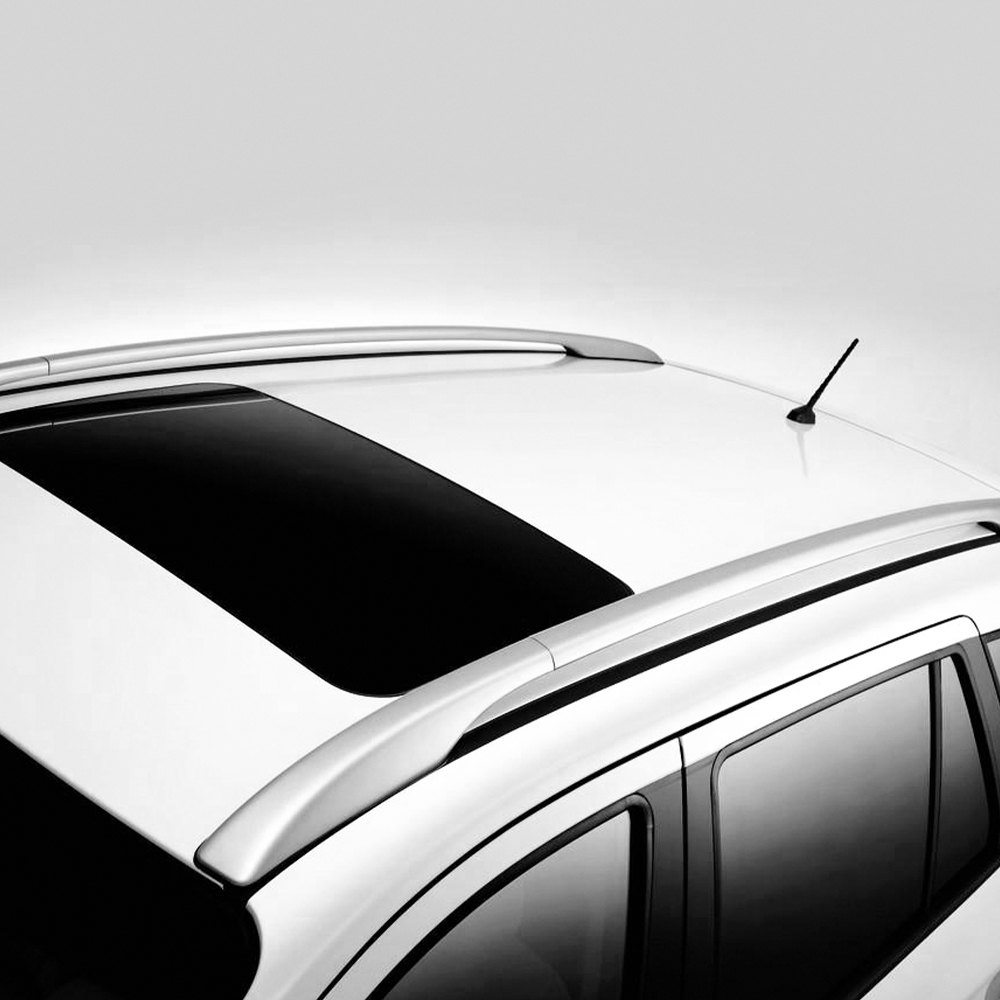
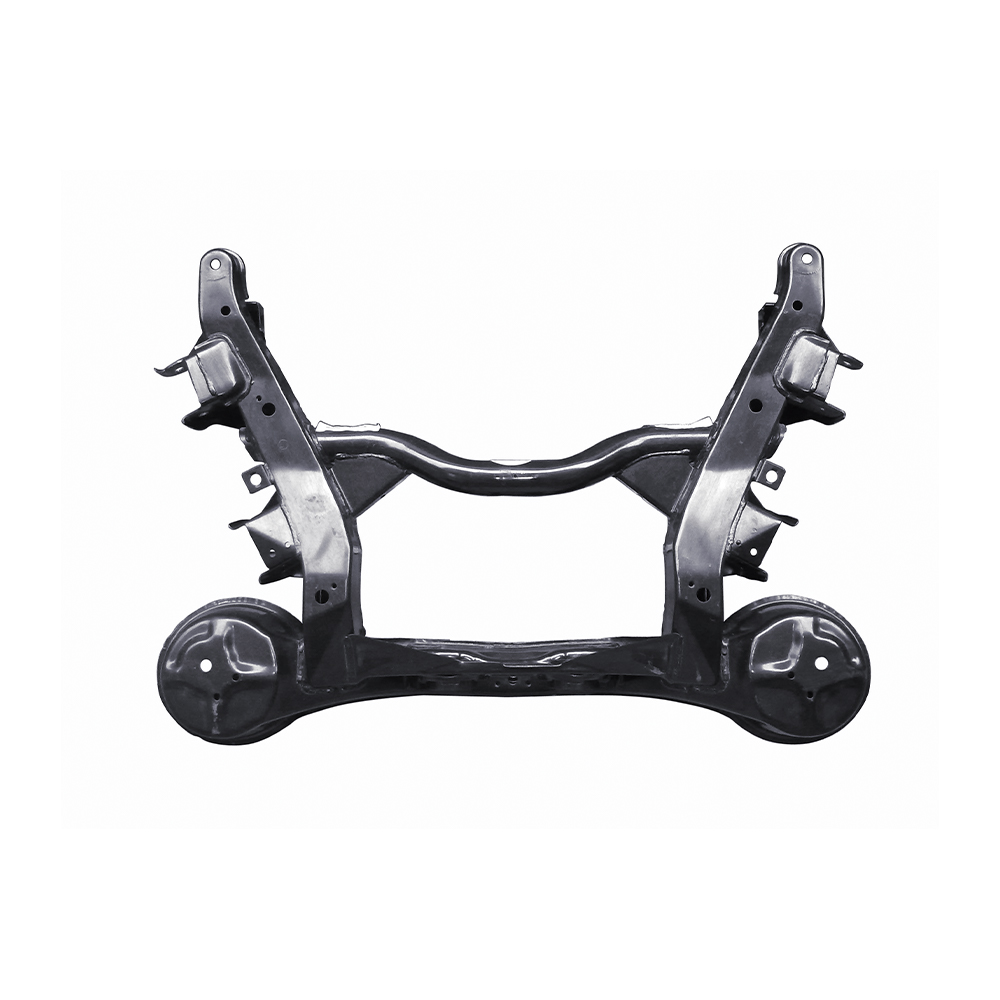
Durable Interior/Exterior Parts: Cts materials for dashboards, door panels, and structural frames with high repeatability.
Adaptability: Seves diverse vehicle segments—electric vehicles (EVs), luxury cars, and commercial fleets—using adjustable parameters.
3. High-Speed Performance & Reliability
Rapid Processing: Achieves tight deadlines without quality compromise, ideal for mass production.
Consistent Output: Maintains accuracy even during high-volume runs, ensuring uniform part quality.
Cost-Effectiveness: Reduces downtime and operational costs through reliable, 24/7 system performance.
4. Industry-Specific Benefits
EV Manufacturing: Supports lightweight materials (e.g., aluminum, composites) critical for battery efficiency.
Luxury Vehicle Production: Enables intricate designs and flawless finishes for premium branding.
Commercial Fleets: streamlines large-scale orders with rapid, error-free part replication.
5. Sustainability & ROI
Material Optimization: Minimizes scrap rates, aligning with eco-friendly manufacturing goals.
Long-Term Savings: Lower-unit costs via automation, energy efficiency, and reduced tool wear.
Competitive Edge: Enhances market responsiveness by accelerating prototyping and production cycles.
6. Technology Integration
CNC Compatibility Integrates with existing CAD/CAM systems for design-to-production efficiency.
Smart Monitoring: Real-time analytics track performance metrics, enabling predictive maintenance.
Scalability: Adapts to evolving industry demands, from small custom batches to large-scale automation.
Conclusion
Automotive Parts Fully Automatic Precision Cutting is a transformative solution for modern manufacturing, combining speed, accuracy, and versatility. By automating complex workflows, it empowers manufacturers to meet stringent quality standards, reduce costs, and stay competitive in a rapidly evolving industry. Adopting this technology ensures precision-driven success across the automotive sector. Automotive Parts Fully Automatic Precision Cutting: Key Advantages and Applications
 |
 |
 |
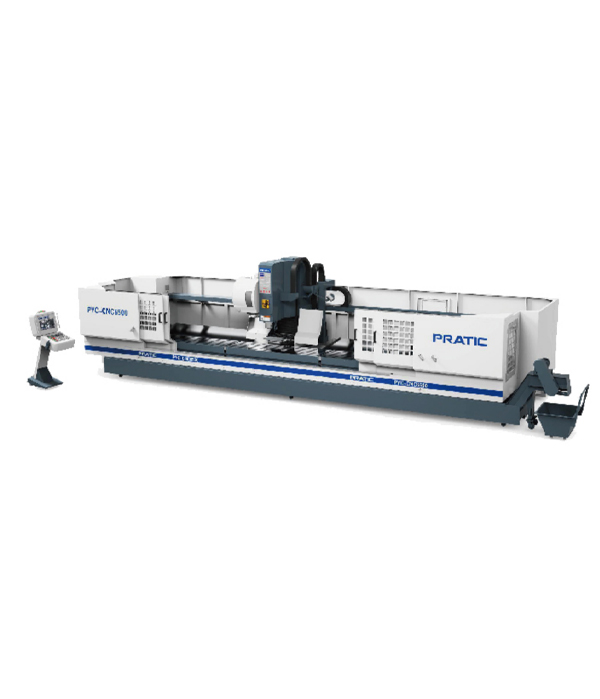 |
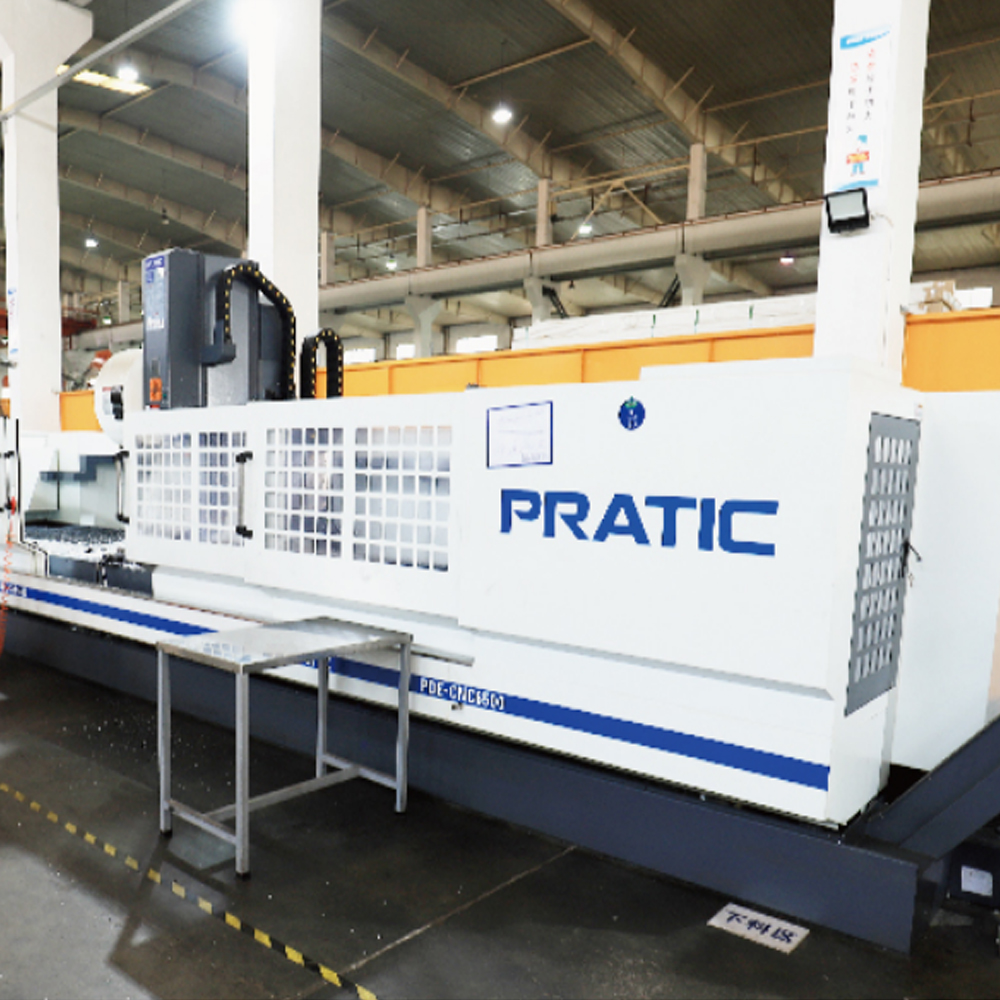
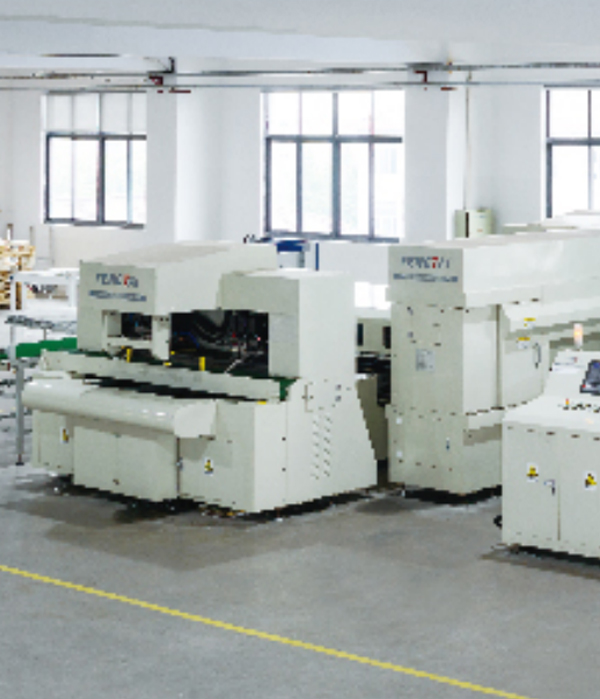
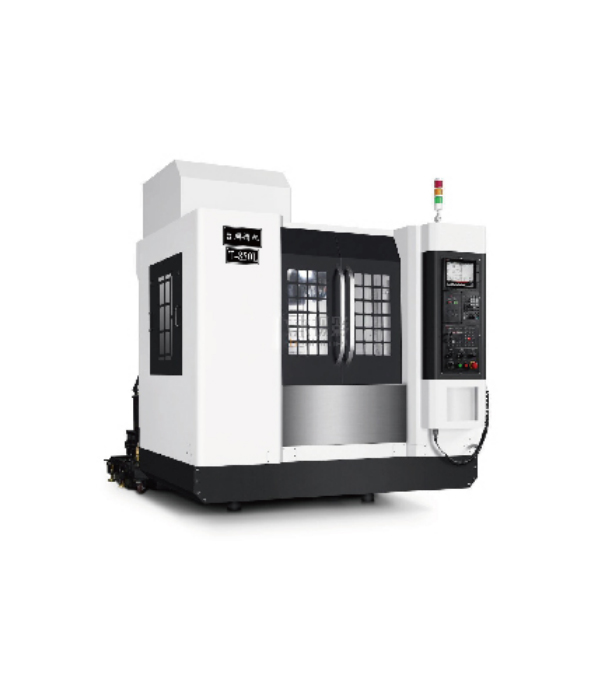
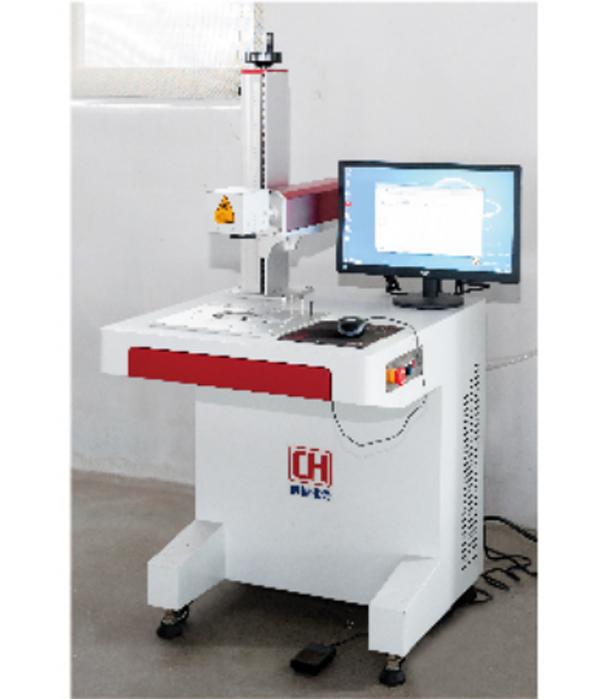
| Automatic Cutting Equipment | Taiqun vertical machining center T-850 | Laser Coding Equipment | "Pratic" Machining Center CNC6500 |
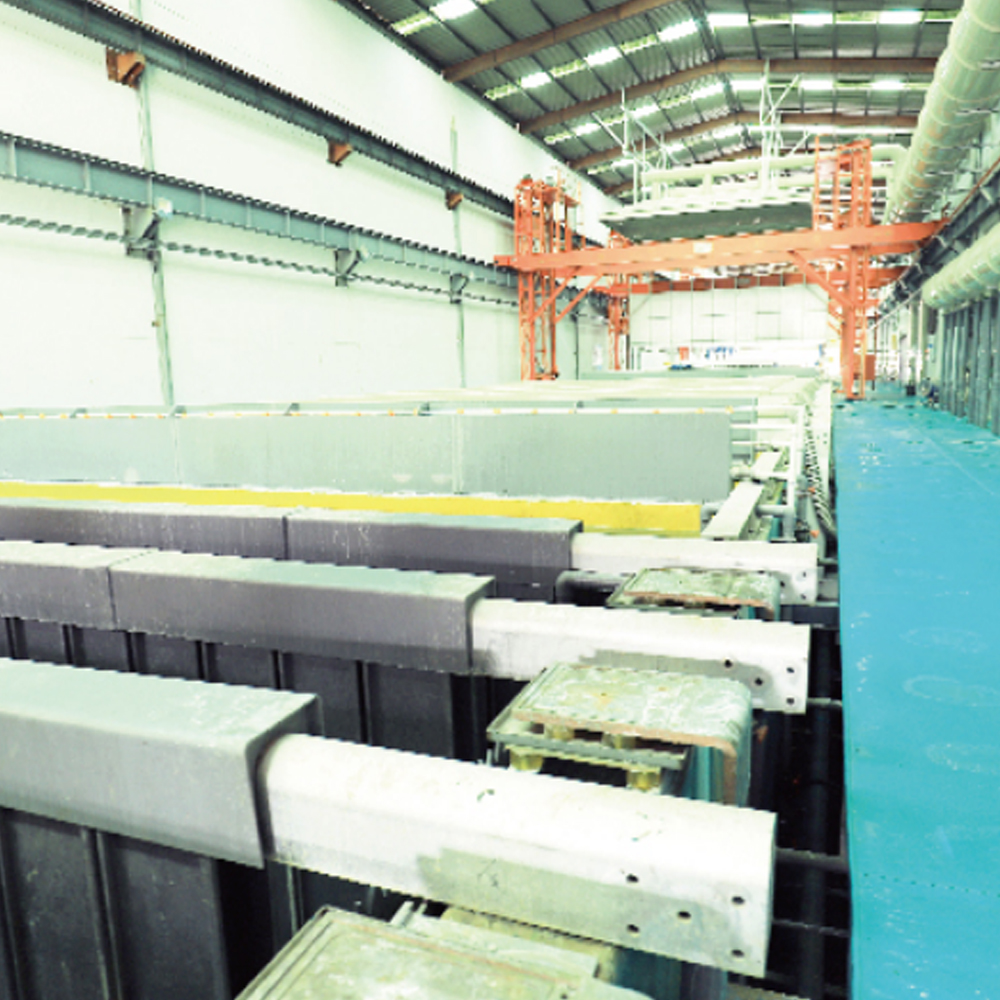


Jiangyin Jianbang Aluminum Co., Ltd (group company for Mu Xiang), the earliest for the Gu Shan Aluminum Casting Factory, founded in 2003, has been deeply rooted in the aluminum profile industry for 20 years.
The company occupies approximately 200,000 square meters of land with a planned annual production capacity of 120,000 tons. In 2023, it achieved sales of over 80,000 tons and revenue exceeding 2 billion yuan. Equipped with 21 extrusion production lines, a range of machining equipment for various specifications, and an in-house mold machining center, the company offers one-stop services for customized R&D and production.
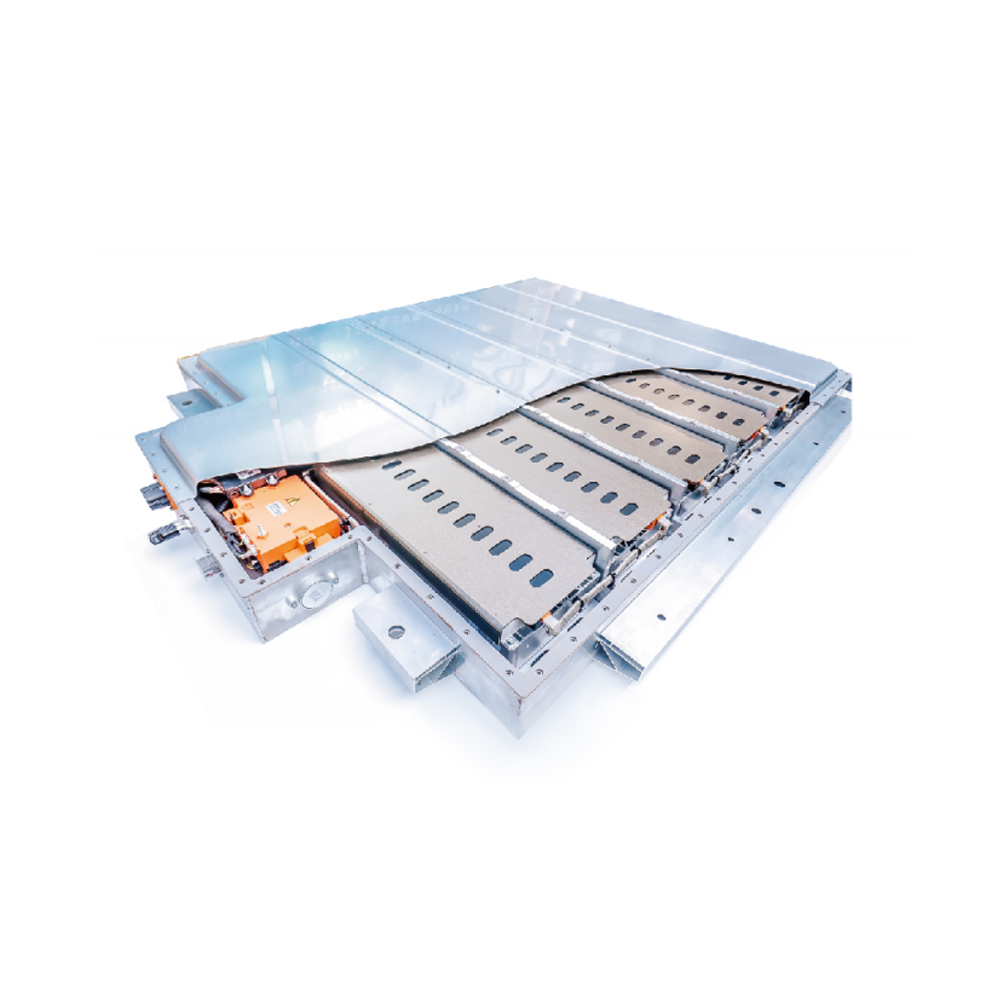
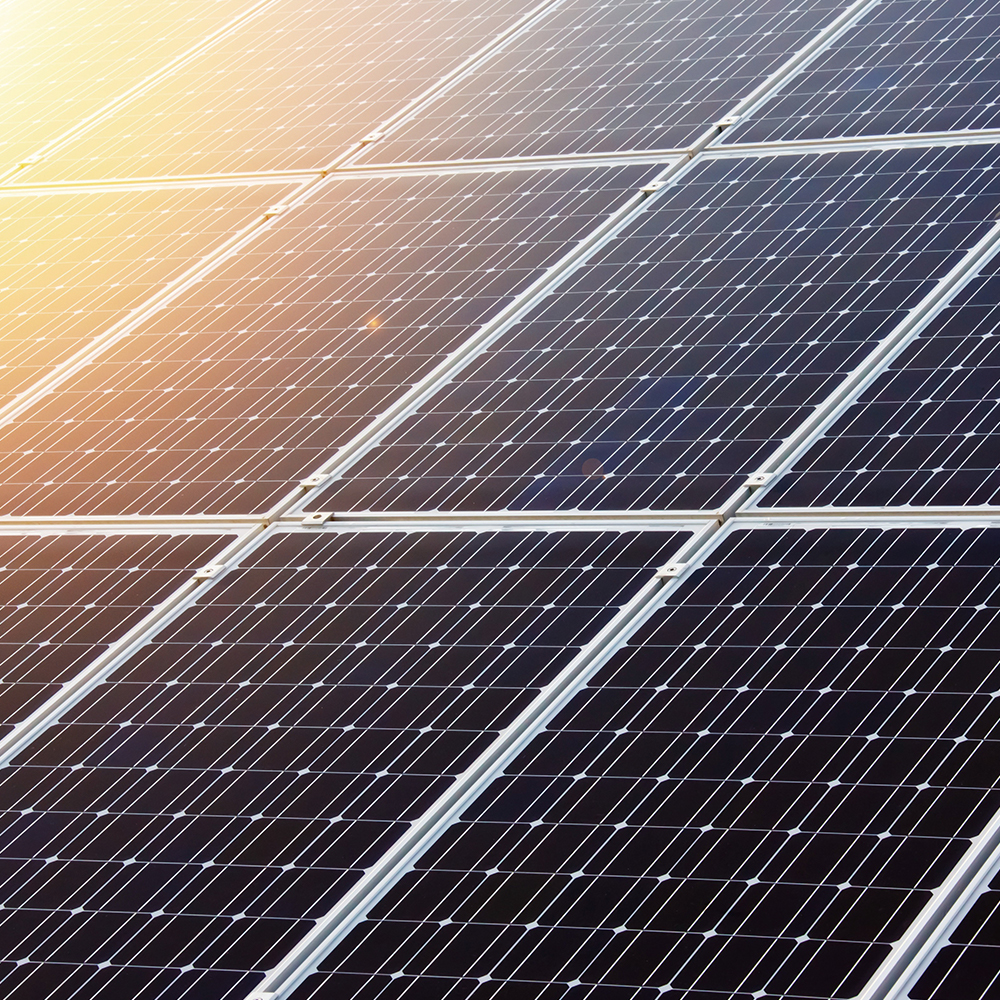
Our products are suitable for applications in new energy vehicles, energy storage, photovoltaic frame brackets, rail transit, mechanical equipment, and construction. The company excels in scale and strength, technological innovation, quality control, and customer service, and enjoys an excellent market reputation.
Jianbang Aluminum upholds a spirit of craftsmanship and innovation, working hand in hand with new and existing customers to achieve mutual development and build a shared future through high-quality products and comprehensive services.

A 40 mm OD aluminum tube that runs 0.12 mm under the specified wall can scrap an entire batch after anodizing, machining, or pressure testing. That is why buyers should not treat aluminum tube extrus...
READ MOREA window fabricator once rejected 1.8 tonnes of aluminium section because the outer frame wall measured 1.08 mm against a drawing callout of 1.2 mm. The alloy was correct, the anodising was even, the...
READ MOREA fabrication manager receives a revised drawing on Monday: the aluminium profile is 0.4 mm thinner, the anodized finish is changed from clear to black, and the mounting holes move 2 mm. The supplier...
READ MOREA frame builder orders forty lengths of 80 x 80 mm T-slot profile in 6063-T5, machines both ends square, bolts up a gantry, and then measures a 0.7 mm bow across 1.5 m of linear rail. The die was sou...
READ MORE
Copyright © 2025 Jiangyin Jianbang Aluminium Co., Ltd.
All Rights Reserved.
 Custom Automotive Parts CNC Machining Factory